Blog
Industry Use Cases for Wearable Data in 2026
Wearable data is no longer limited to fitness tracking. In 2026, organizations across multiple industries use structured wearable data to improve decision-making, personalize services, and build data-driven products — a…
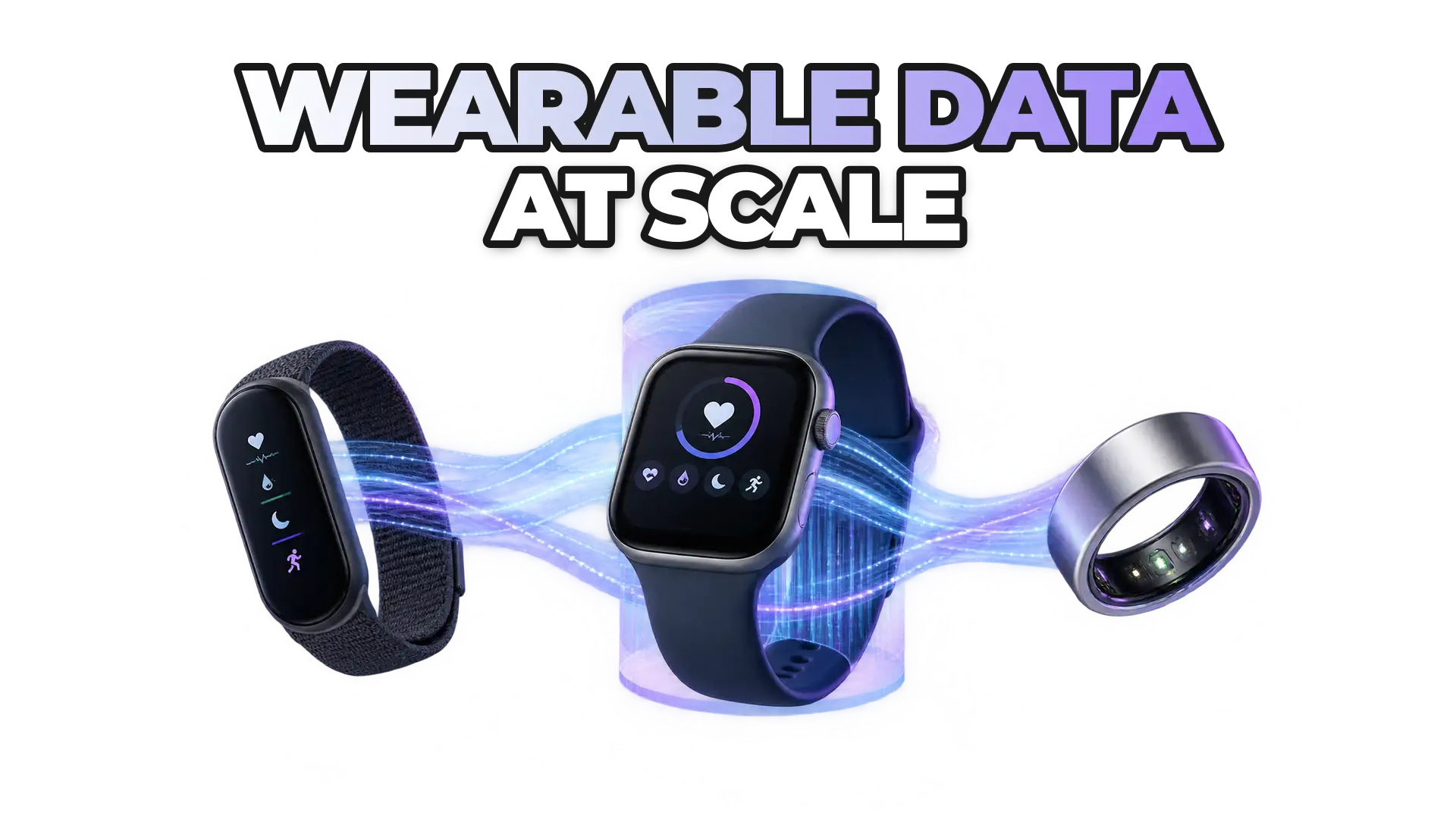
Wearable data is no longer limited to fitness tracking. In 2026, organizations across multiple industries use structured wearable data to improve decision-making, personalize services, and build data-driven products — a shift we traced early in wearable tech goes mainstream: five key trends in wearable data and in unlocking your digital health business potential with wearable data.
The scale is now consumer-wide. Rock Health's 2026 analysis of its Consumer Adoption Survey, based on 8,000 Census-matched US adults, found that 57% own at least one wearable or connected device, 83% of wearable owners wear theirs five or more days a week, and 59% have discussed their wearable data with a healthcare provider. The data is no longer a niche input — it is already in the room.
The value of wearable data depends on three factors:
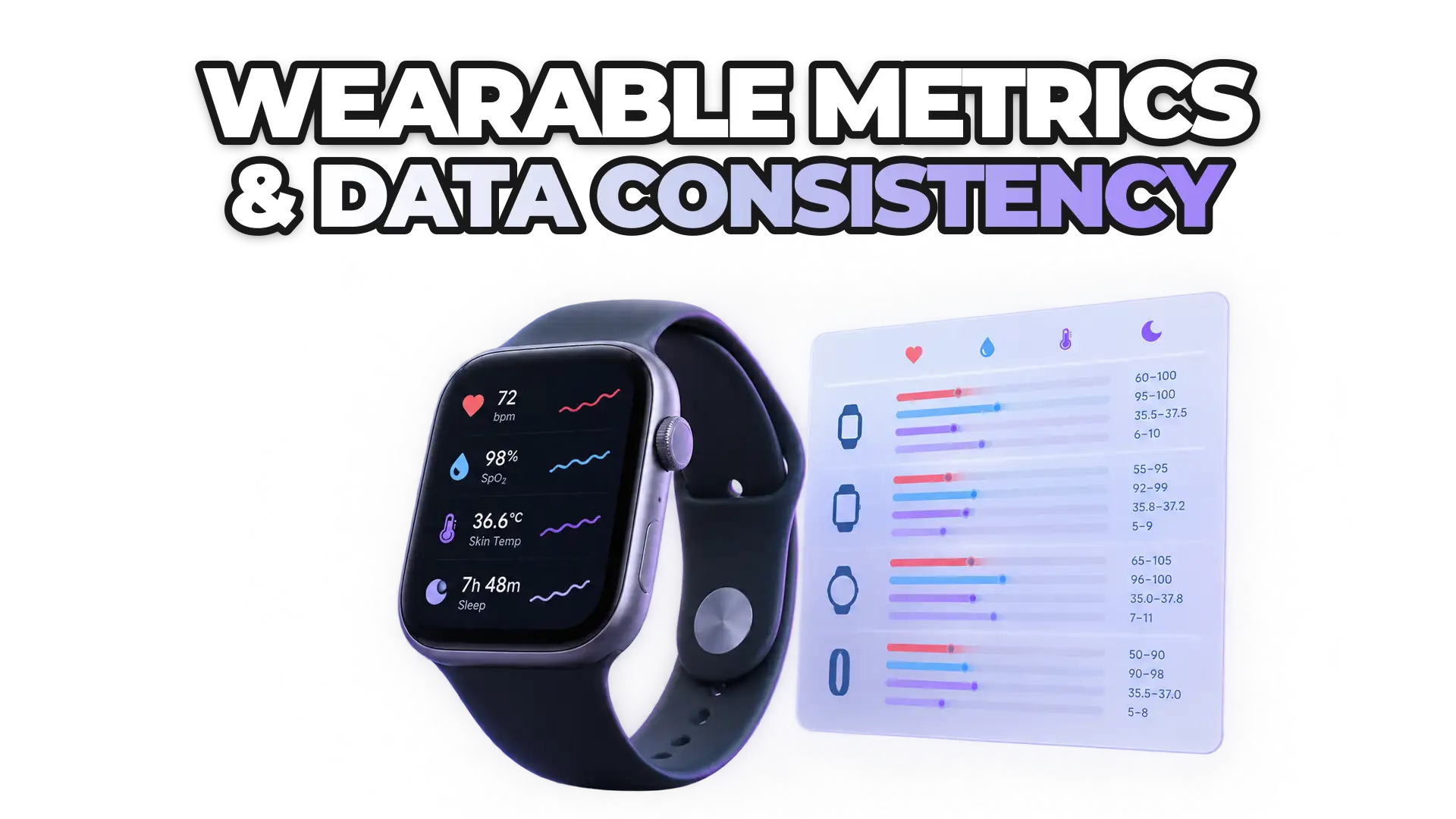
Data consistency across devices
Longitudinal availability
Standardized metric definitions
In this article, we explore how different industries use wearable data and what they require from a scalable integration strategy.
Digital health and remote monitoring
Digital health platforms use wearable data to extend visibility beyond clinical settings.
Common use cases
Remote patient monitoring
Chronic condition support programs
Post-treatment follow-up
Preventive health initiatives
Reimbursement has matured alongside the use case: Medicare's CY 2026 Physician Fee Schedule final rule sets rates for remote monitoring services, and we covered the coding side of that shift in CPT codes and the trend toward remote patient monitoring and preventive care.
Why wearable data matters
Wearables provide continuous signals — heart rate, heart rate variability, sleep, activity and body metrics. ROOK Connect normalizes these signals from 500+ wearables into a unified schema.
Heart rate trends
Sleep patterns
Activity levels
Recovery indicators
ROOK Signals enables digital health platforms to:
Monitor behavioral changes over time
Detect deviations from baseline patterns
Support engagement through measurable insights
This is the basis of continuous health monitoring that predicts risks before they happen and of AI agents that turn wearable data into early action. It is also the operating model behind programs like the ACCESS model, from data collection to measurable outcomes — see how to track outcomes for ACCESS for what that means metric by metric.
Key integration requirements
High data reliability
Clear metric definitions
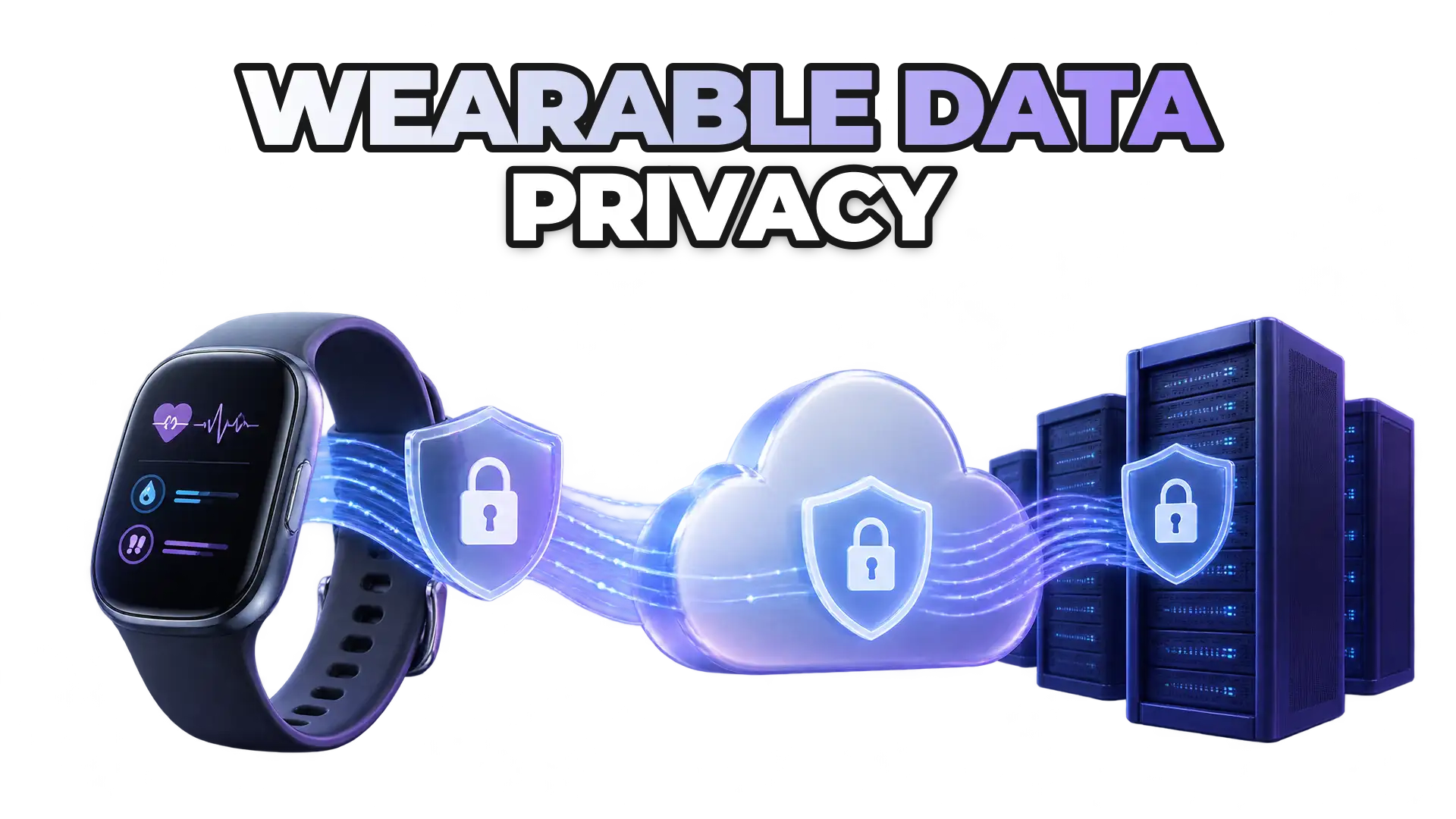
Secure and compliant data handling
Longitudinal storage
Consistency across devices is essential when patient populations use different wearable brands, because the data has to land in a clinical EHR system unchanged. ROOK Connect normalizes signals across 500+ devices so data flows consistently into EHRs; see the top 10 EHRs and why they should integrate wearables and AI and the future of wearable–EHR integration. It is also why most remote monitoring setups don't scale: the pilot works, the rollout does not.
Insurance and risk assessment
Insurance providers increasingly explore wearable data to support dynamic and behavior-based models.
Common use cases
Activity-based incentive programs
Wellness-linked policy benefits
Dynamic risk modeling
Engagement-based rewards
We have covered this sector in depth across our Insurance–Wearable Series: how wearable technology is reshaping insurance, predictive analytics and digital-first strategies, integration challenges and strategies, and in-house versus third-party solutions.
Why wearable data matters
Traditional underwriting relies on static snapshots. Wearable data introduces:
Continuous behavioral insights
Objective activity measurements
Long-term trend visibility
This allows insurers to move toward more adaptive models based on real-world behavior, a direction we examine in AI and wearables: the future of insurance underwriting and in wearable data in insurance: ready for mortality and morbidity risk?. It also sits inside an existing regulatory conversation: the NAIC's work on accelerated underwriting already addresses how insurers use external data sources and algorithmic models to evaluate risk.
Key integration requirements
Cross-device comparability
Transparent metric definitions
Scalable ingestion pipelines
Privacy-first architecture
Standardization is critical when incentives depend on measurable thresholds — a point we develop in quantifying wellbeing in insurance.
Corporate wellness platforms
Organizations use wearable data to design structured engagement programs for employees.
Common use cases
Step-based challenges
Activity tracking programs
Wellness engagement dashboards
Aggregated reporting
Employer-led programs are an established public health category — the CDC Workplace Health Program provides the assessment tools and evidence base most corporate initiatives are built on. On the product side, see why wearable data is the future of employee wellness and wearable data and its impact on the wellness industry.
Why wearable data matters
Wearables offer measurable participation indicators, such as:
Steps
Active minutes
Sleep duration
Participation frequency
These insights support program design and participation tracking, and they are what makes a scalable reward system built on wearable data possible in the first place. For the platform side of the equation, see from wearable data to personalized wellness experiences and do wellness platforms offer integrations with wearable devices?.
Key integration requirements
Aggregated and anonymized reporting
Multi-device compatibility
Simple onboarding flows
Stable metric definitions
Since employees may use different devices, normalization ensures fairness across participants. Onboarding is the other half: the ROOK Extraction App binds a user through a QR code or universal link and starts delivering data without requiring a native app, which is often what makes a company-wide rollout feasible.
Clinical research and decentralized trials
Wearable data plays a growing role in research environments.
Common use cases
Continuous physiological monitoring
Remote data collection
Decentralized or hybrid trials
Real-world evidence generation
The governing framework has been updated for exactly this: the FDA's adoption of E6(R3) Good Clinical Practice, issued in September 2025, introduces risk-based approaches and explicitly accommodates new trial technologies and data sources. For the pharma angle, see turning sensor signals into regulatory-grade evidence.
Why wearable data matters
Wearables allow researchers to collect:
Continuous heart rate data
Sleep metrics
Activity patterns
Recovery indicators
This reduces dependency on in-clinic visits and expands geographic reach.
Key integration requirements
Raw and structured data access
High-resolution time-series support
Long-term data storage
Regulatory alignment
Data consistency and traceability are critical in research contexts, which is why interoperability standards matter here more than anywhere else — see ROOK at the forefront with FHIR-compliant wearable data. Continuous biochemical signals are increasingly part of the picture too, as we explain in decoding glucose levels and wearable and blood test data integration.
Fitness and performance platforms
Performance-focused applications use wearable data to optimize training and recovery.
Common use cases
Training load monitoring
Recovery analysis
Personalized coaching
Progress tracking
This is the territory of AI and wearables for personalized fitness coaching and remote training and of brand-owned platforms like the one described in the future of fitness: AI-powered, wearable-connected.
Why wearable data matters
Performance platforms rely on:
Heart rate variability
Sleep quality
Activity intensity
Training frequency
These metrics help tailor recommendations to individual users. They also vary enormously between devices, as any side-by-side comparison shows — see Oura vs Whoop.
Key integration requirements
Accurate time-series data
Standardized recovery metrics
Reliable synchronization
Fast data availability
Because vendor recovery scores are proprietary and not comparable, platforms that need a consistent readiness signal usually compute their own from normalized inputs — which is what ROOK Score 2.0 does across physical, sleep, and body health pillars. In practice this is how education and gym platforms operate, as in NASM's digital fitness education and Trainingym's wearable data integration.
In performance contexts, data latency and metric clarity directly impact user experience.
Population health and analytics platforms
Some organizations use wearable data for broader analytics initiatives.
Common use cases
Trend analysis across populations
Behavioral segmentation
Risk stratification
Predictive modeling
The reference example at national scale is the NIH All of Us Research Program, which makes wearable data available to researchers alongside surveys, genomics, and electronic health records. On the commercial side, see ROOK Datasets.
Why wearable data matters
Aggregated wearable data can reveal:
Behavioral patterns
Activity distributions
Sleep variability trends
Longitudinal engagement signals
This is the input layer for training AI models on wearable data, for the tools teams use to build AI health apps, and for turning wearable data into actionable health intelligence. It is also what AI agents will need from health data to be useful rather than merely plausible.
However, insights are only reliable if the underlying data model is standardized.
Key integration requirements
Device-agnostic schema
Scalable storage
Clear metric mapping
Historical continuity
Without normalization, population-level insights become inconsistent.
Cross-industry integration challenges
Despite differences in use cases, most industries share similar integration challenges:
Supporting multiple wearable brands
Handling OAuth authorization flows
Managing API updates
Standardizing inconsistent metrics
Ensuring privacy compliance
Scaling infrastructure
The first one is not optional in 2026: the same Rock Health analysis found device owners average 1.5 devices each, with 22% owning two — so a single-brand integration covers only part of your own user base. ROOK supports 72 data sources and more than 500 wearables on the market, making brand coverage a product decision, not a technical footnote.
These challenges increase as organizations expand device coverage and user bases, which is what turns the question into build or buy for wearable integrations.
The role of a unified wearable data strategy
Across industries, one pattern remains consistent: the more devices supported, the greater the integration complexity.
A unified wearable data strategy typically includes:
Single integration architecture
Normalized metric definitions
Centralized OAuth management
Structured, analytics-ready data
Longitudinal storage support
That architecture is described end to end in the ROOKConnect documentation, and the comparison against assembling it yourself is laid out in why digital health companies choose ROOK over other offerings.
This approach allows organizations to focus on product logic and insights rather than maintaining fragmented connections.
How we support industry use cases at ROOK
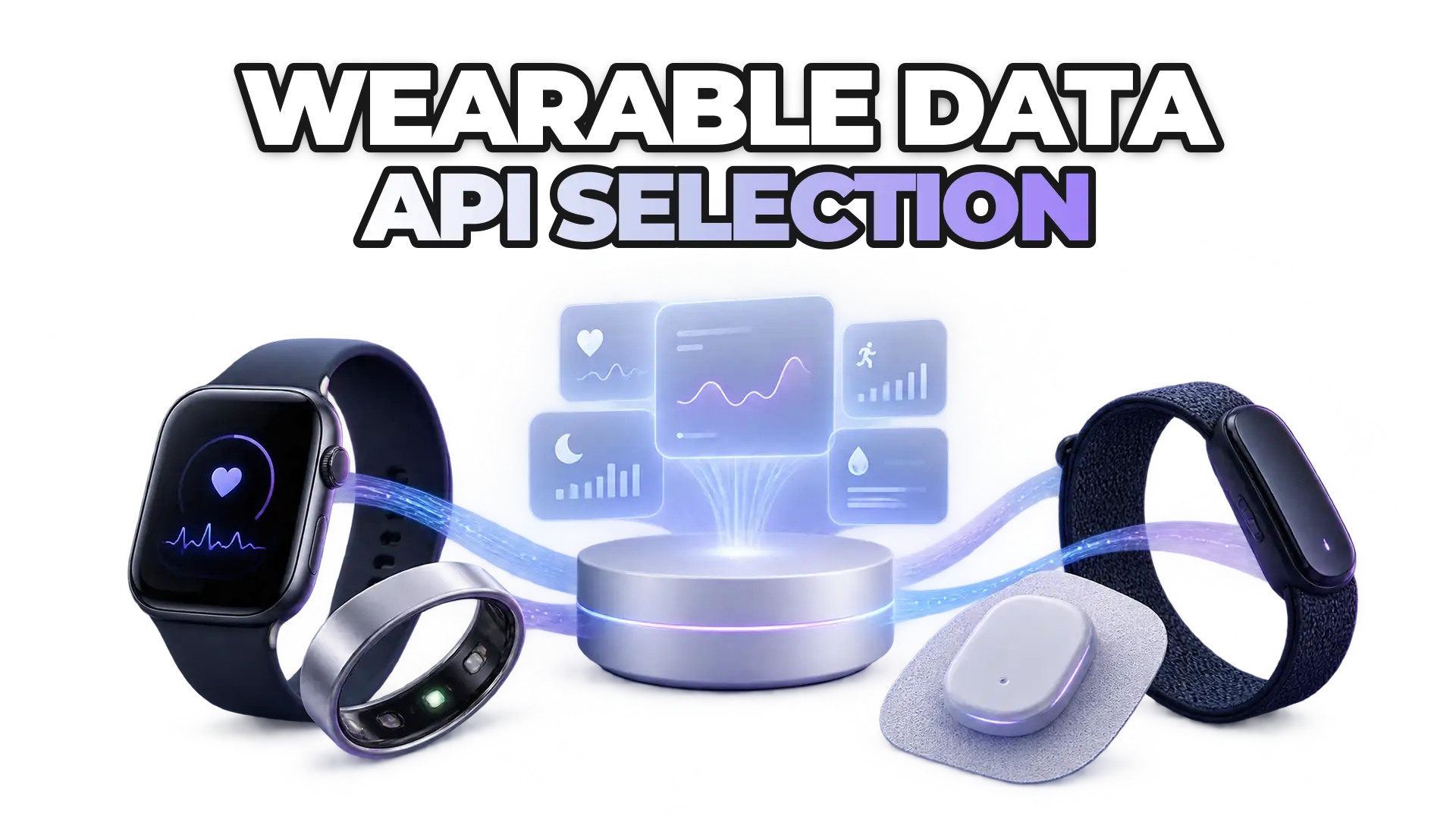
At ROOK, we provide a unified API that connects applications to data from 72 data sources and more than 500 wearables through a single integration.
Our approach supports industry needs by:
Aggregating 72 data sources and 500+ devices across manufacturers
Standardizing metric definitions
Delivering structured data models
Managing OAuth and API version changes
ROOK Signals evaluates five continuous signals — heart rate, heart rate variability, sleep, activity and body metrics — and provides alerts and trend analysis. Prediction, recommendations, anomaly detection and sustained-trend analysis are out of scope, ensuring clarity about where clinical validation or regulatory review is needed.
By reducing integration complexity, we enable product, engineering, and data teams to focus on delivering measurable value within their specific industry context. The clearest evidence is what teams have built: you can browse the full set in use cases and industries, and read individual stories from Novos Labs in longevity, Gentherm's WellSense™, ThyForLife in thyroid health, Advanta Health Solutions in wellness, Alula Technologies in insurance, and SCAPE in personalized wellness. Enterprise distribution works the same way, as our work with InterSystems and our view on tech partnerships as catalysts for innovation show.
These conversations happen in public too: our podcast and media library includes episodes on selling health data to companies and unlocking wearable data for pharma, earlier interviews cover AI and wearables in pharma and how wearables are reshaping healthcare, and our partner and alliance episodes feature insurers and digital health companies describing their own use cases.
Final thoughts
Wearable data is adaptable across industries, but its impact depends on structure, consistency, and scalability.
Whether the goal is remote monitoring, dynamic risk modeling, corporate engagement, clinical research, or performance optimization, the foundation remains the same:
Reliable data ingestion
Cross-device comparability
Standardized definitions
Scalable architecture
The same foundation is what makes geographic expansion possible, as we describe in how APIs are unlocking the next wave of wearables in LATAM, and what allows programs to combine sources, as in turning multiple health data sources into useful information for ACCESS programs.
Organizations that design their wearable data strategy with these principles in mind are better positioned to build durable, data-driven solutions in 2026 and beyond.
 Written byJuana Carolina Ordoñez MerchanInternal Digital Marketing