
How to turn multiple health data sources into useful information for ACCESS programs
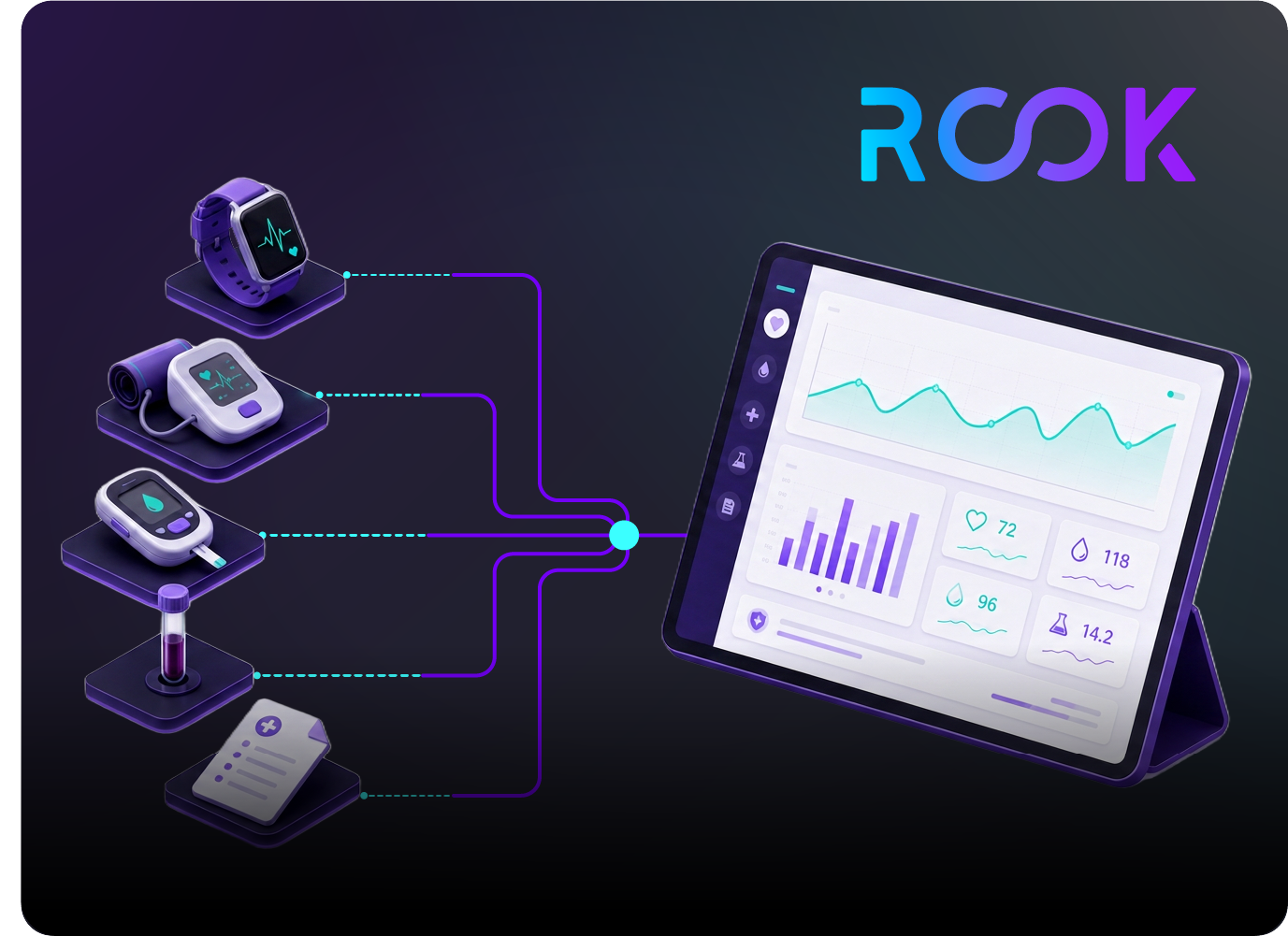
ACCESS programs can work with more health data sources today than ever before.
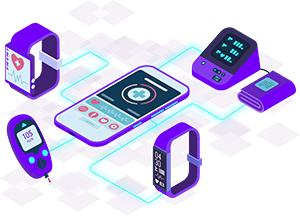
Wearables can provide information about activity, sleep, heart rate, recovery, and daily habits. Medical devices can add measurements such as blood pressure, glucose, weight, or oxygen saturation. Lab results and clinical records provide another important layer of context, as we explore in wearable and blood test data integration: building a complete view of health.
Together, these sources can provide a broader view of what happens between traditional points of care.
But having access to more data does not automatically solve the problem.
The real question is:
How do you turn all these sources into information your teams can understand, use, and bring into their workflows?
For ACCESS programs, connecting data is only the beginning. The next step is making that information consistent, preserving enough context, and delivering it where it can actually create value.
Why do more data sources also create more complexity?
Working with one source is usually relatively straightforward.
The challenge starts when a program begins combining wearables, medical devices, labs, and clinical data.
As we explain in the real challenges of wearable data: from access to trust, connecting to an API is only one part of the work.
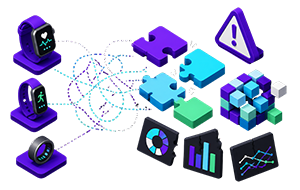
Each source may organize and deliver information differently. Units, metric names, synchronization schedules, available historical data, and even the way users are identified can vary.
In practice, this means a team may receive information about the same person from multiple sources and still need additional work before it can use that data together.
Needs also vary depending on who uses the data. A care team may need a summarized view. A patient-facing application may require a different experience. Analytics teams may need historical information, while a monitoring system may depend on recent data.
That is why integrating data from multiple wearables into a single system involves much more than adding new connections.
What does health data normalization mean?
Health data normalization means transforming information from different sources into a more consistent structure so it can be used more easily.
Imagine an ACCESS program receiving activity, sleep, heart rate, and blood pressure data from several devices.
Two sources may provide the same metric, but one may use a different field name, another may use a different unit, and another may provide the information at a different level of detail.
That is one reason wearable data can be messy before it is normalized.
Without a common structure, each application or team has to interpret those differences separately.
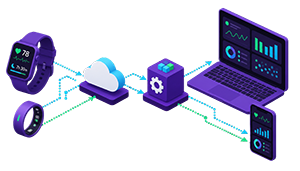
A unified layer can bring that work into one place and deliver information in a more consistent way. This is part of what it means to standardize health data from different devices.
Open standards such as HL7 FHIR also provide useful frameworks for representing and exchanging information across health systems.
But there is an important distinction: normalizing data does not mean making every source look identical.
The goal is to reduce unnecessary differences while preserving the context needed to understand what each measurement actually means.
Why does context matter as much as the data itself?
Because a number alone rarely tells the whole story.
A blood pressure value, heart rate measurement, or decrease in activity can be useful, but each can also raise new questions.
For example:
Where did the data come from?
When was it recorded?
Which device generated it?
Is it a direct measurement or a summarized value?
Is the source still connected?
Is the information recent?
How does it compare with that person’s history?
This context can completely change how the information is interpreted.
A decrease in activity, for example, could reflect fatigue, recovery, illness, or a change in routine. But it could also mean that the user stopped wearing the device or that a synchronization issue occurred.
Good health data infrastructure should therefore do more than deliver numbers. It should preserve enough information to understand where those numbers came from and what may be happening around them.
This context will also become increasingly important for automated tools and AI agents working with health data, because reliable answers depend on more than access to an individual metric.
Why is historical data important for ACCESS?
A single measurement tells you what happened at a specific point in time.
Historical data helps you understand whether that value is typical or represents a change.
Consider a resting heart rate of 75 bpm.
On its own, that number provides limited information. But if that person usually stays within a different range and the value has changed over several days, the historical context may make the information more relevant.
The same idea can apply to activity, sleep, blood pressure, and other metrics.
This allows ACCESS programs to move from simply collecting data toward observing trends and changes over time.
It is also an important part of tracking outcomes in ACCESS programs, including blood pressure, HbA1c, activity, and other metrics.
However, it is important to maintain a clear distinction: detecting a change does not automatically explain why it happened or turn it into a diagnosis.
A change can be a signal to trigger a review, support a workflow, or provide additional context.
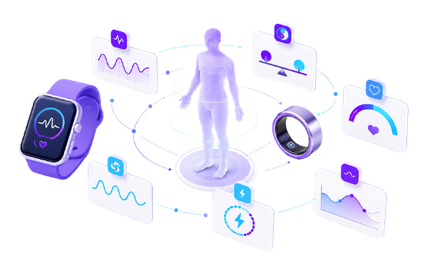
Where should health data go?
Even perfectly organized data has limited value if it remains isolated.
That is why an ACCESS data strategy should consider both how information enters the program and where it needs to go next.
Depending on the program, health data may need to reach:
Patient-facing applications.
Care platforms.
Monitoring systems.
Dashboards.
Analytics tools.
Clinical workflows.
Internal systems.
This becomes especially relevant when integrating wearables into clinical workflows without disrupting the existing architecture.
It also matters when continuous health data needs to work alongside clinical records and other systems, something we explore further in AI and the future of wearable and EHR integration.
The goal should not be to accumulate information.
It should be to ensure that the right data reaches the right place with enough context to be useful.
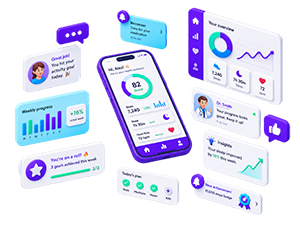
Why do direct integrations become harder to maintain?
A direct integration can be a practical way to validate an idea.
The challenge appears when the program starts to grow.
One source becomes two. Then new platforms, medical devices, labs, or clinical systems are added.
Every new connection requires maintenance, monitoring, and updates.
As we explain in the hidden cost of point-to-point integrations in ACCESS, an architecture that works well for a pilot can create significantly more work as the number of sources increases.
This is also one of the questions behind the decision to build wearable integrations in-house or use a specialized API.
As a program grows, maintaining every connection separately can begin to consume time that could otherwise be spent improving the product.
A unified layer offers another way to organize that work.
Instead of requiring every product to understand how every provider works, those differences can be managed in one place.
The complexity still exists.
But it is no longer spread across the entire organization.
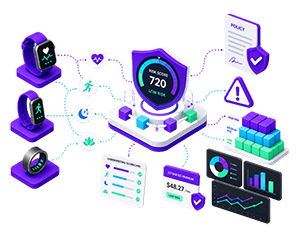
How can you design an ACCESS data strategy that can grow?
One of the most important questions should not be:
How quickly can we connect the next device?
A more useful question is:
Can we add new sources without rebuilding the product every time?
That distinction changes how teams approach the problem.
Instead of designing the product around each individual provider, teams can start by defining the information they actually need and then create a consistent way for different sources to contribute that data.
This is one reason the ACCESS model needs standardized wearable data.
A practical approach can begin with a few questions:
What outcomes do we want to measure?
What sources do we need to measure them?
What context do we need to preserve?
Who will use the data?
Where does the information need to appear?
How will we add new sources in the future?
Answering these questions before adding more integrations can help prevent a solution designed for a pilot from becoming a limitation later.
At ROOK, we work on this challenge by helping teams connect and standardize different health data sources through a common infrastructure.
But the idea goes beyond any specific platform.
The principle is simple: your product should focus on using health data, not understanding every detail of every provider.
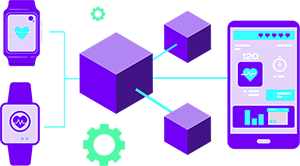
From connecting data to building a useful view of health
ACCESS programs do not need more data simply for the sake of having more data.
They need information that can be understood, compared, and used.
Wearables, medical devices, labs, and clinical data provide different pieces of a person’s health picture. The real value comes when those pieces can work together and reach the teams and systems that need them.
That means moving from asking:
“Can we access this data?”
to asking:
“Can we understand and use it consistently as our program grows?”
That is the difference between having a collection of integrations and building a health data foundation that can support an ACCESS program over time.
If you want to explore this topic further, read why wearable data alone may not be enough for ACCESS programs and what ACCESS model companies need to build before going live.
Frequently asked questions about ACCESS and health data
What types of health data can ACCESS programs use?
Depending on the program, teams can combine information from wearables, medical devices, lab results, and clinical systems. The right combination depends on the outcomes the program needs to measure and the workflows it aims to support.
Is wearable data enough for ACCESS?
Not always. Wearables can provide continuous signals about activity, sleep, heart rate, and other behaviors, but additional health data and context may be needed to build a more complete picture.
What is health data normalization?
Health data normalization is the process of transforming information from different sources into more consistent structures, units, and formats so it can be used more easily while preserving the context needed to interpret each measurement.
Why does the source of health data matter?
Because two identical values may have been generated by different devices, methods, or at different times. Knowing where a measurement came from helps teams interpret it correctly.
How can an ACCESS program scale its integrations?
A scalable strategy starts by defining the information the product needs and creating a consistent way to receive, normalize, and deliver it. This makes it easier to add new sources without rebuilding the product’s core logic each time.
What role does interoperability play in ACCESS?
Interoperability helps data from different devices and systems work together and reach patient applications, care teams, monitoring systems, and other tools without requiring a separate process for every source.