Blog
What Does FHIR-Compliant Wearable Data Mean at ROOK?
ROOK announced FHIR-compliant wearable data integration, built with the InterSystems IRIS platform, so wearable data can enter existing healthcare systems.
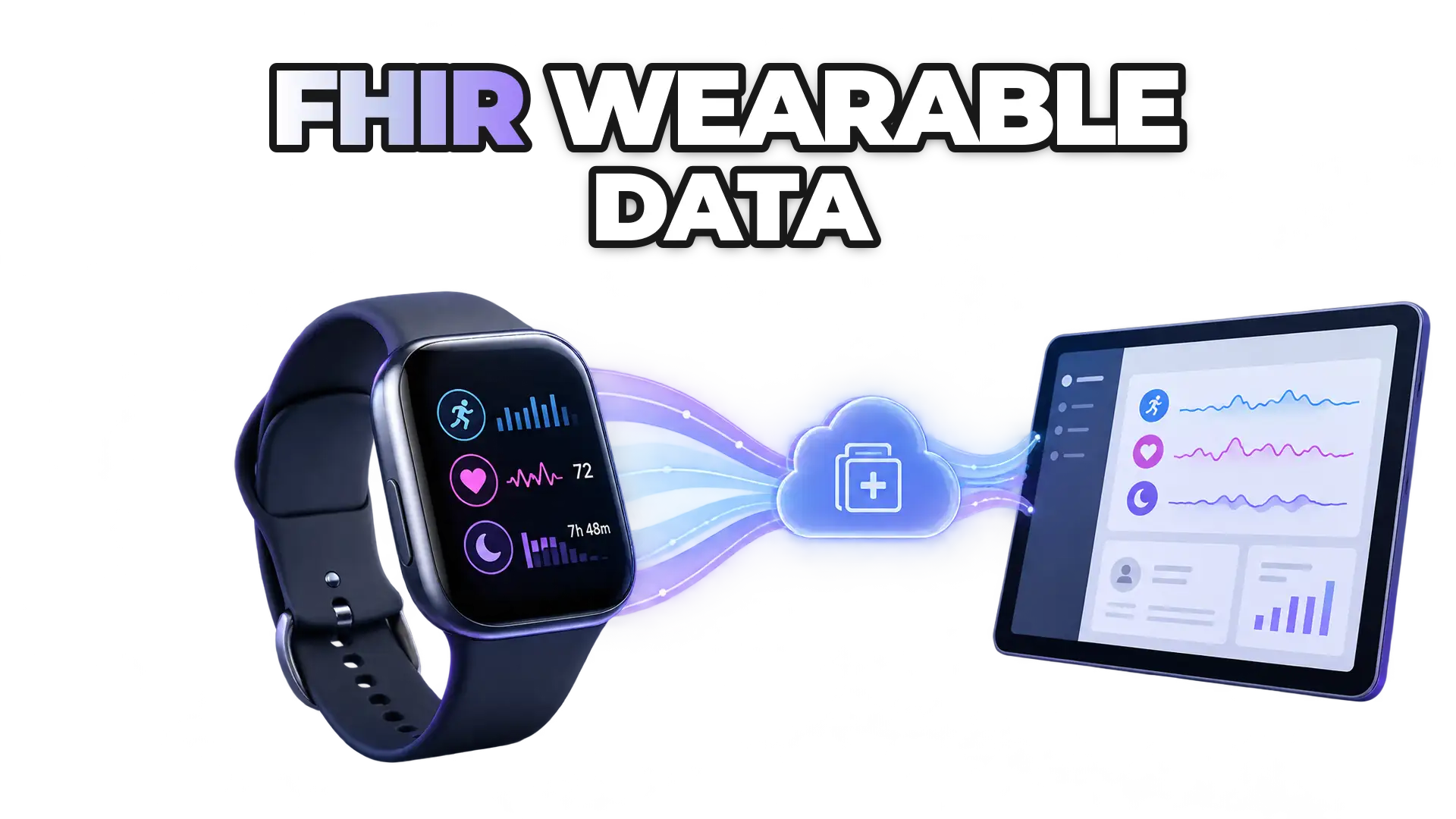
FHIR-compliant wearable data at ROOK means ROOK can deliver data from wearables, such as physical activity, heart rate and sleep patterns, in line with FHIR (Fast Healthcare Interoperability Resources), a standard for electronic exchange of healthcare data. ROOK announced this capability in April 2024 as an additional service for clients, built with the InterSystems IRIS platform, so wearable data can enter existing healthcare systems.
ROOK announced that its wearable data integration is FHIR-compliant. FHIR is an emerging standard for healthcare data interoperability that supports the exchange and management of healthcare information.
What does it mean to be FHIR-compliant?
Being FHIR-compliant means ROOK technology adheres to the standards set by FHIR, which are designed to enable the electronic exchange of healthcare data. FHIR standards are widely adopted, making integration of healthcare systems and applications easier and faster. For a primer, see what the FHIR protocol is.
What does FHIR compliance offer ROOK clients?
FHIR compliance offers ROOK clients an additional service: integrating data from wearable devices into healthcare systems in FHIR format. This matters because health tracking through wearable devices is part of many people’s daily lives.
Why does wearable data matter for healthcare systems?
Wearable data matters because smartwatches and fitness bands collect health-related data, including physical activity, heart rate and sleep patterns. With FHIR-compliant delivery, ROOK can integrate this data into existing healthcare systems, giving a more complete and up-to-date view of an individual’s activity and sleep.
This lets healthcare professionals see more of their patients’ day-to-day data and helps individuals take a more active role in managing their own health. ROOK moves and standardizes the data; it does not diagnose or replace clinical judgment.
How can ROOK clients use FHIR-compliant wearable data?
ROOK clients can request the FHIR service so that wearable data integration follows FHIR standards, which supports compatibility with the healthcare systems that receive the data. ROOK operates under a HIPAA-aligned security program, signs BAAs with covered entities, and processes EU personal data under GDPR as a data processor.
ROOK built FHIR compliance in response to clients’ need to integrate wearable technology into healthcare, working with the IRIS platform from InterSystems. Read more about the InterSystems and ROOK partnership.
To discuss FHIR-format wearable data for your system, contact the ROOK team or review the ROOK developer documentation.
 Written byJonas DückerCMO | COO