Blog
What Are the Challenges of Using Wearable Data in Insurance?
Insurers using wearable data must handle accuracy gaps, inconsistent formats, privacy, legacy integration and consent. Strategies to address each challenge.
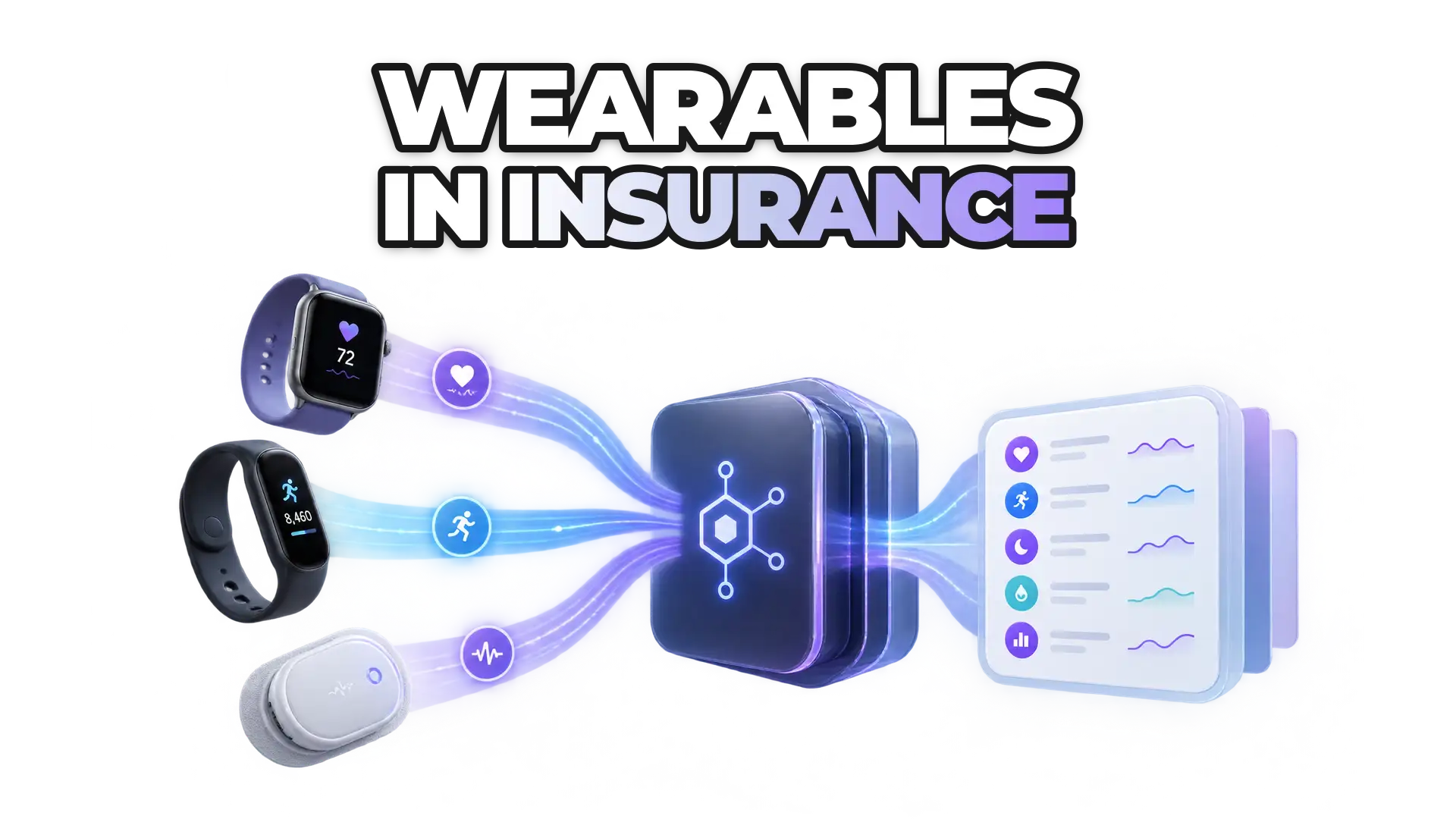
Insurance companies that use wearable data to assess risk and personalize services face five core challenges: data accuracy, standardization across devices, privacy and security, integration with legacy systems, and user consent and data ownership. Insurers can address them by validating and reconciling data, adopting a single integration point such as a unified API, enforcing encryption and access controls, and keeping consent terms transparent.
Why is wearable data accuracy a problem for insurers?
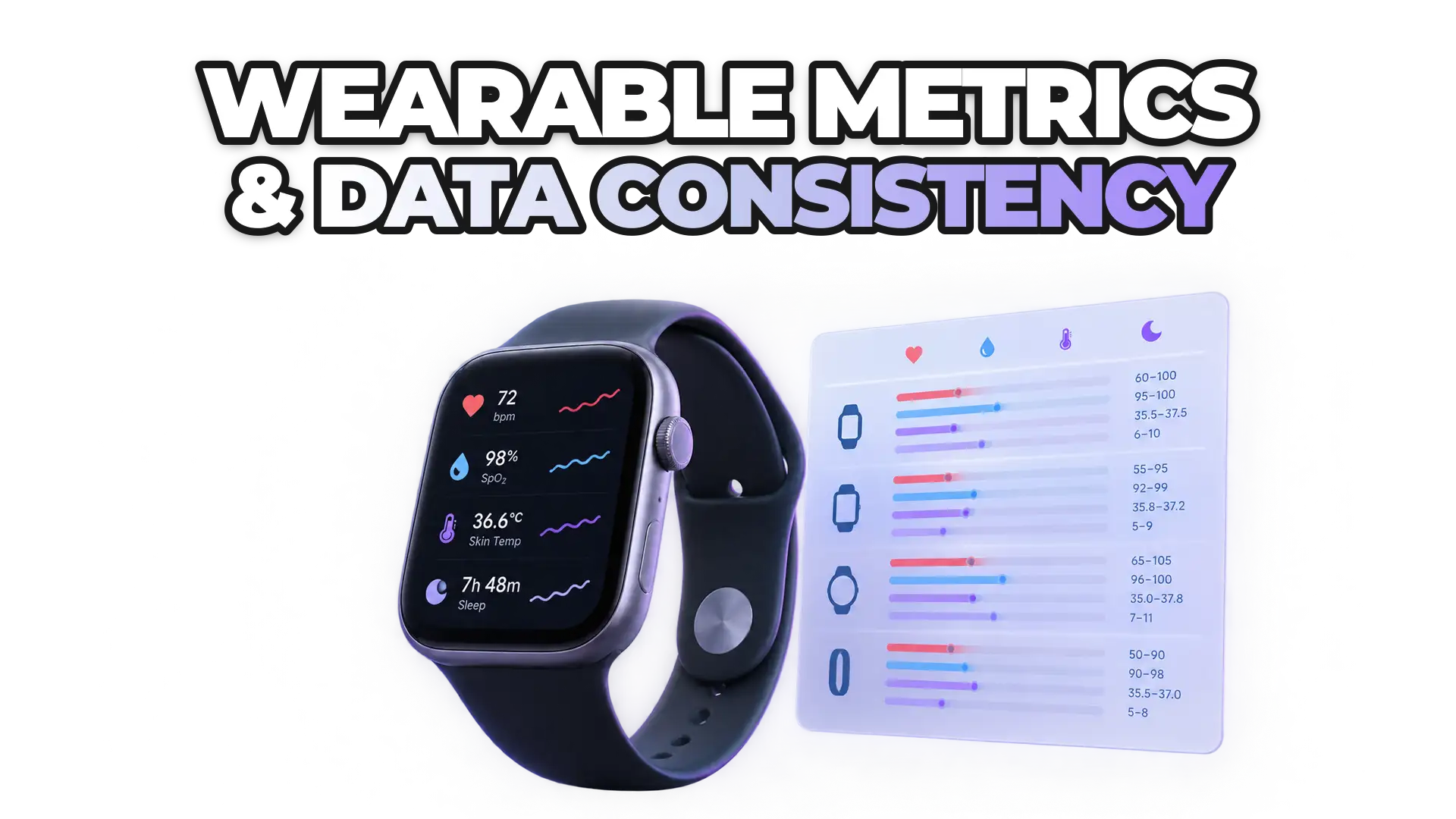
Wearable data accuracy is a problem because devices from different manufacturers, or the same device used in different scenarios, can produce different results. Step counts, for example, can differ between devices, which may skew risk evaluations or premium calculations. Insurers should use systems that validate and reconcile data before using it in decisions.
Why do insurers need to standardize wearable data?
Insurers need standardization because the fragmented wearable market produces data in many formats. A single integration point, such as a unified API, streamlines data collection and keeps it uniform and compatible across devices.
How should insurers handle privacy and security?
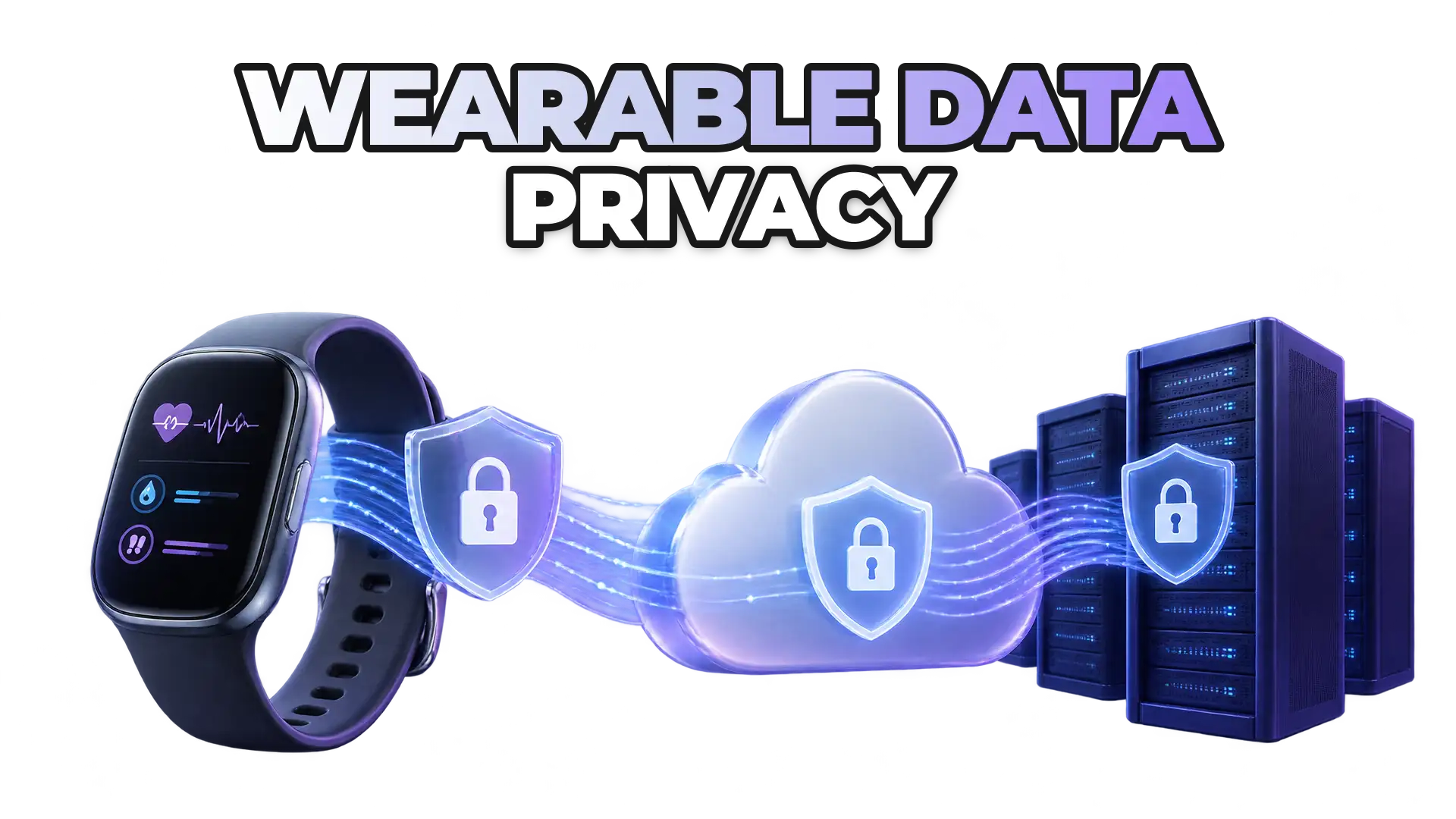
Insurers handling sensitive health data must follow strict privacy and security standards such as GDPR and HIPAA. Data breaches at healthcare organizations have caused lasting reputational damage, which is why encryption, access controls, robust security systems and regular audits matter for client trust.
Why is integrating wearable data with legacy insurance systems complex?
Integrating wearable data into legacy insurance systems is complex because of the volume and variability of the data. Success depends on tools that can manage and analyze that data, and unified APIs reduce the integration work for each new device.
How should insurers manage user consent and data ownership?
Insurers must be transparent about how user data is collected, shared and used. Cases of unauthorized data sales show the need for well-defined ownership policies; clear consent and terms build trust and avoid ethical pitfalls.
How can insurers turn wearable data into insights?
Turning wearable data into insights requires harmonizing diverse formats before analysis. AI-driven tools can do that harmonization, which improves consistency and supports insurers’ risk assessment and product design.
Why choose a unified API over fragmented integrations?
A unified API replaces many device integrations, reducing maintenance and keeping compatibility across devices so insurers can focus on their products instead of technical hurdles.
Why use a single integration point instead of many?
A single integration point streamlines the work of managing separate integrations for each wearable brand, so insurers can focus on data analysis, customer satisfaction and service agility.
How can insurers reduce integration maintenance?
Insurers can reduce maintenance by outsourcing it, because keeping up with evolving wearable technology requires constant updates. Outsourcing frees the insurer’s team to focus on customer service instead of fixes.
How does standardization make wearable data usable?
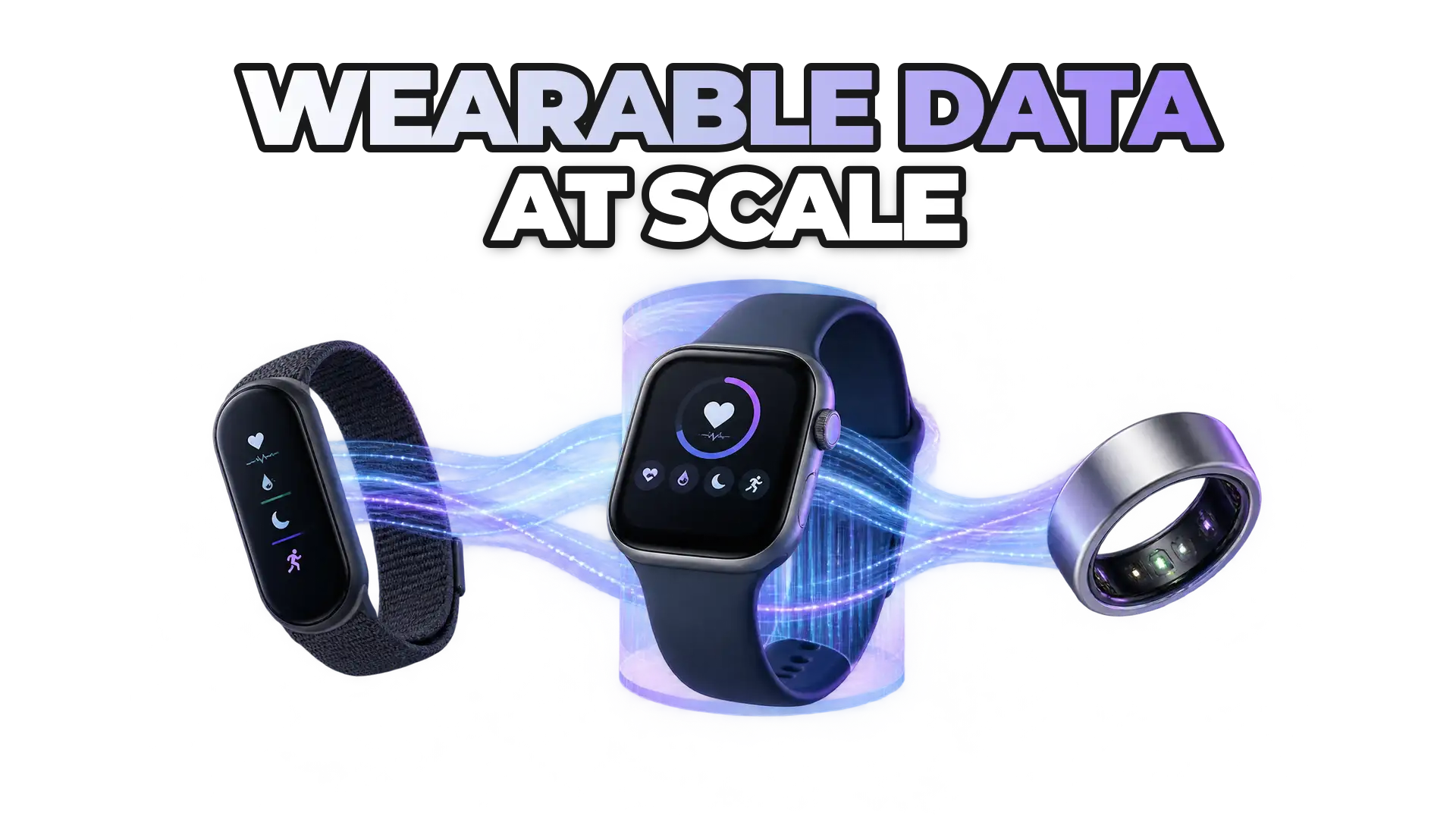
Without standardization, deriving insights from the volume of data wearables generate is nearly impossible. A unified data platform such as ROOK harmonizes data from 72 data sources and more than 500 devices into one format for analysis. ROOK moves and standardizes the data; it does not diagnose or replace clinical judgment.
What protects wearable data privacy and security for insurers?
GDPR and HIPAA provide the framework for managing sensitive health data, and measures like encryption and multi-factor authentication keep personal data protected. ROOK operates under a HIPAA-aligned security program, signs BAAs with covered entities, and processes EU personal data under GDPR as a data processor.
How does compliance support help insurers?
Compliance support helps insurers navigate a maze of rules, from HIPAA in the U.S. to GDPR in Europe, where one slip-up can mean fines or lost client trust.
Compliance support services provide guidelines and frameworks that work like a roadmap through that landscape.
ROOK reduces the data-handling part of that burden for insurance teams. ROOK operates under a HIPAA-aligned security program, signs BAAs with covered entities, and processes EU personal data under GDPR as a data processor. Each insurer remains responsible for its own compliance program.
For more on how insurers use this data, read how wearable data is used in insurance and the next episode of the insurance wearable series, or explore the data in the ROOK sandbox.
 Written byJonas DückerCMO | COO