Blog
How Are AI and Wearables Changing Personalized Fitness Coaching?
AI models turn wearable signals like HRV, sleep and training load into adaptive plans, feedback and nudges, if the data is clean and standardized across devices.
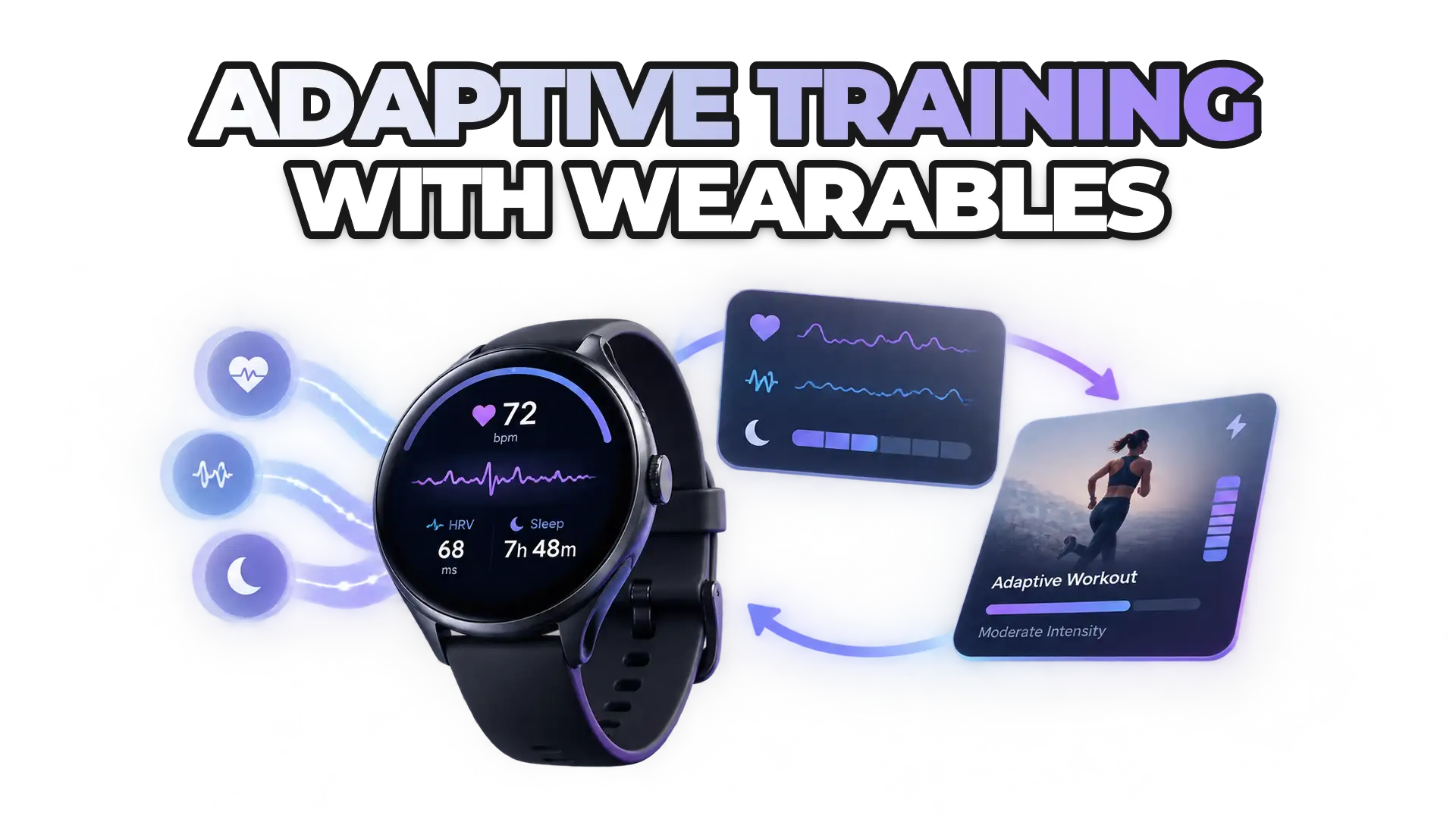
AI and wearables are changing fitness coaching by turning biometric signals into training that adapts to each person. Smartwatches, rings and sensors capture heart rate, heart rate variability (HRV), sleep stages, respiratory rate and training zones. AI models use those signals to adjust workouts, give feedback and time reminders, which lets coaches personalize remote training at scale, as long as the data is clean and standardized across devices.
What health data do wearables track for fitness coaching?
Today’s smartwatches, rings and sensors go far beyond step counts and track a wide range of biometric data, including:
- Heart rate and heart rate variability (HRV)
- Sleep stages and recovery scores
- Respiratory rate and oxygen saturation
- Calories burned, training zones and movement patterns
These wearable signals are the raw material for fitness coaching. Their value depends on how they are interpreted, and that interpretation is where AI comes in.
How does AI turn wearable data into coaching?
AI analyzes wearable data at scale, recognizes patterns and generates personalized recommendations that coaches could not produce manually. AI and wearables change the fitness experience in four ways.
1. How do adaptive training plans work?
Adaptive training plans let AI models adjust workouts based on how the body is responding: modifying intensity based on HRV, recommending rest after poor sleep, or extending recovery time after overexertion.
2. How does AI give feedback on form?
Combined with motion sensors and computer vision, AI can flag poor form, asymmetry or undertraining and give feedback during workouts.
3. How does AI track performance over time?
AI can surface patterns across weeks or months, helping users see how habits, stress and lifestyle choices relate to their goals.
4. How do behavioral nudges reinforce habits?
Using patterns in past activity, fitness platforms can deliver reminders, motivational messages and workout timing suggestions.
What does AI coaching change for remote training businesses?
AI coaching lets fitness coaches and wellness businesses scale their expertise. With regular biometric data from clients’ wearables, coaches can:
- Follow client progress remotely
- Deliver personalized recommendations
- Adjust plans without waiting for check-ins
- Spot signs of fatigue or overtraining in the data and follow up with the client
This model aims for deeper engagement and retention without increasing a coach’s workload. ROOK moves and standardizes the data; it does not diagnose or replace clinical judgment.
Why does AI coaching need clean, standardized wearable data?
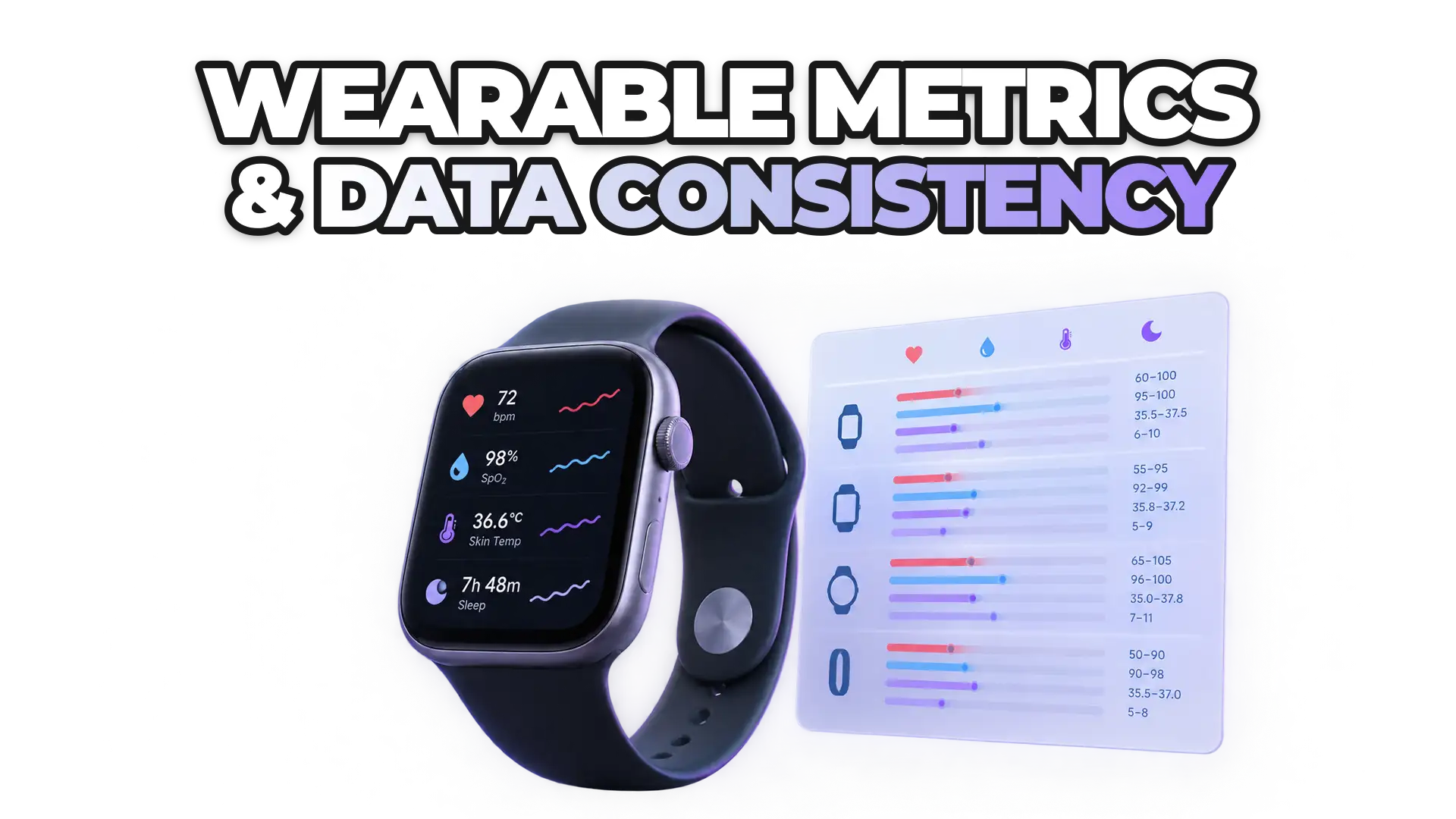
AI coaching needs standardized data because devices from Apple, Garmin, Oura, Polar and Fitbit produce data in different formats, units and structures. To be useful for AI, wearable data must be:
- Clean and deduplicated
- Normalized across devices
- Handled securely: ROOK operates under a HIPAA-aligned security program, signs BAAs with covered entities, and processes EU personal data under GDPR as a data processor.
ROOK provides a single API to access standardized data from 72 data sources and more than 500 devices, so a coaching platform can focus on its product instead of on each integration. For why that fragmentation happens, see why wearable data from different devices is chaotic.
What comes next for AI and wearables in fitness?
As wearables gain sensors and AI models improve, fitness is moving toward training that adapts to each person’s biology, context and goals.
Whether you are building a coaching app, a connected fitness product or a wellness platform, AI and wearables are becoming the foundation of personalized health experiences. For how sleep and training interact in that data, read poor sleep vs. poor training, or test ROOK’s data in the ROOK sandbox.
 Written byDaniel MasDigital Marketing Lead