Blog
How Does AI Turn Wearable Data Into Health Intelligence?
AI turns raw wearable data into usable information by cleaning it, finding patterns, personalizing insights and adding context.
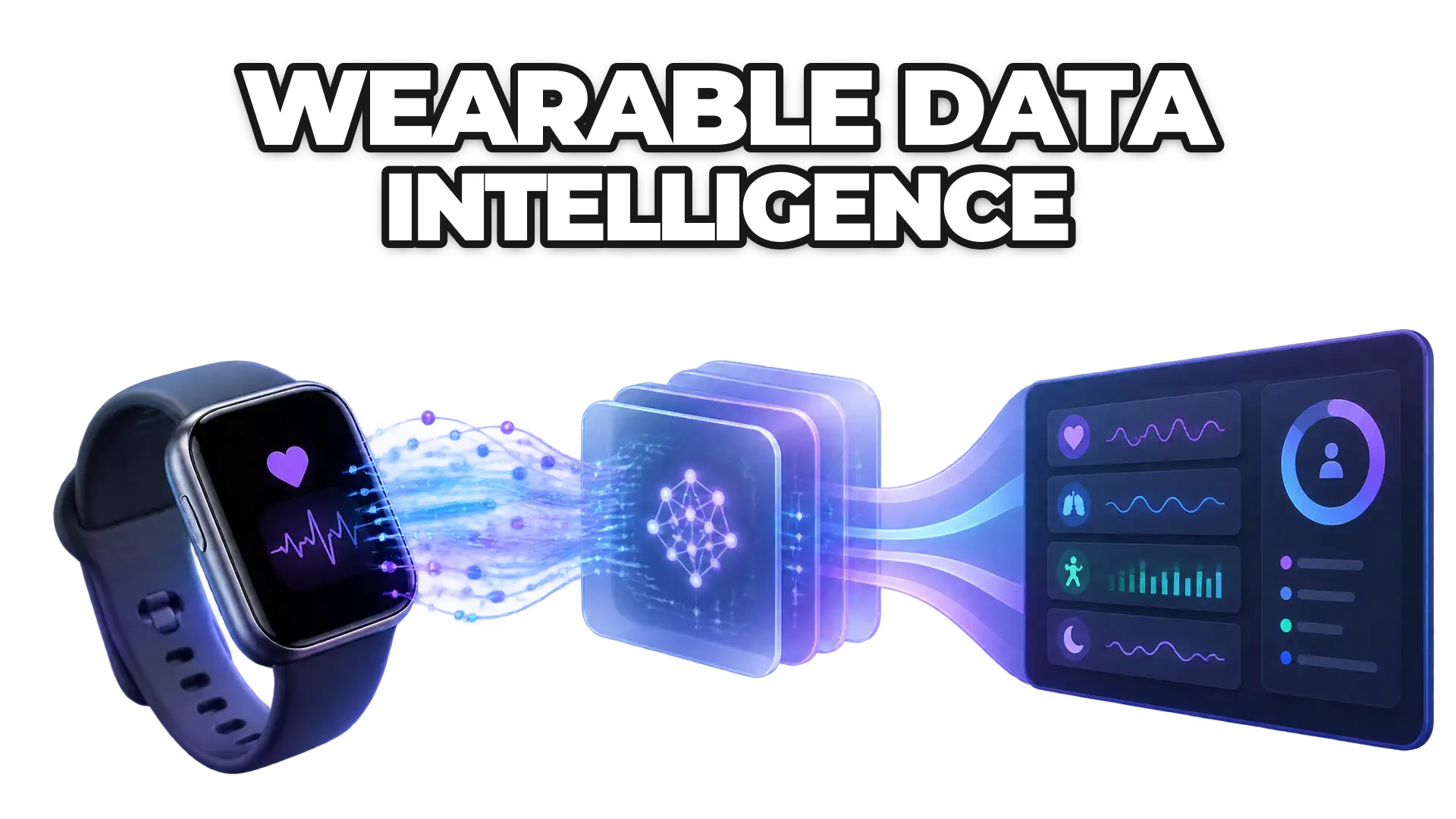
AI turns wearable data into health intelligence in four steps: it cleans and standardizes readings from different devices, recognizes patterns across metrics like sleep, heart rate variability and activity, personalizes insights to each person's baseline, and adds context so similar signals (exercise vs. stress) are not confused. Without that structure, raw steps, heart rate and sleep data from wearables have limited value.
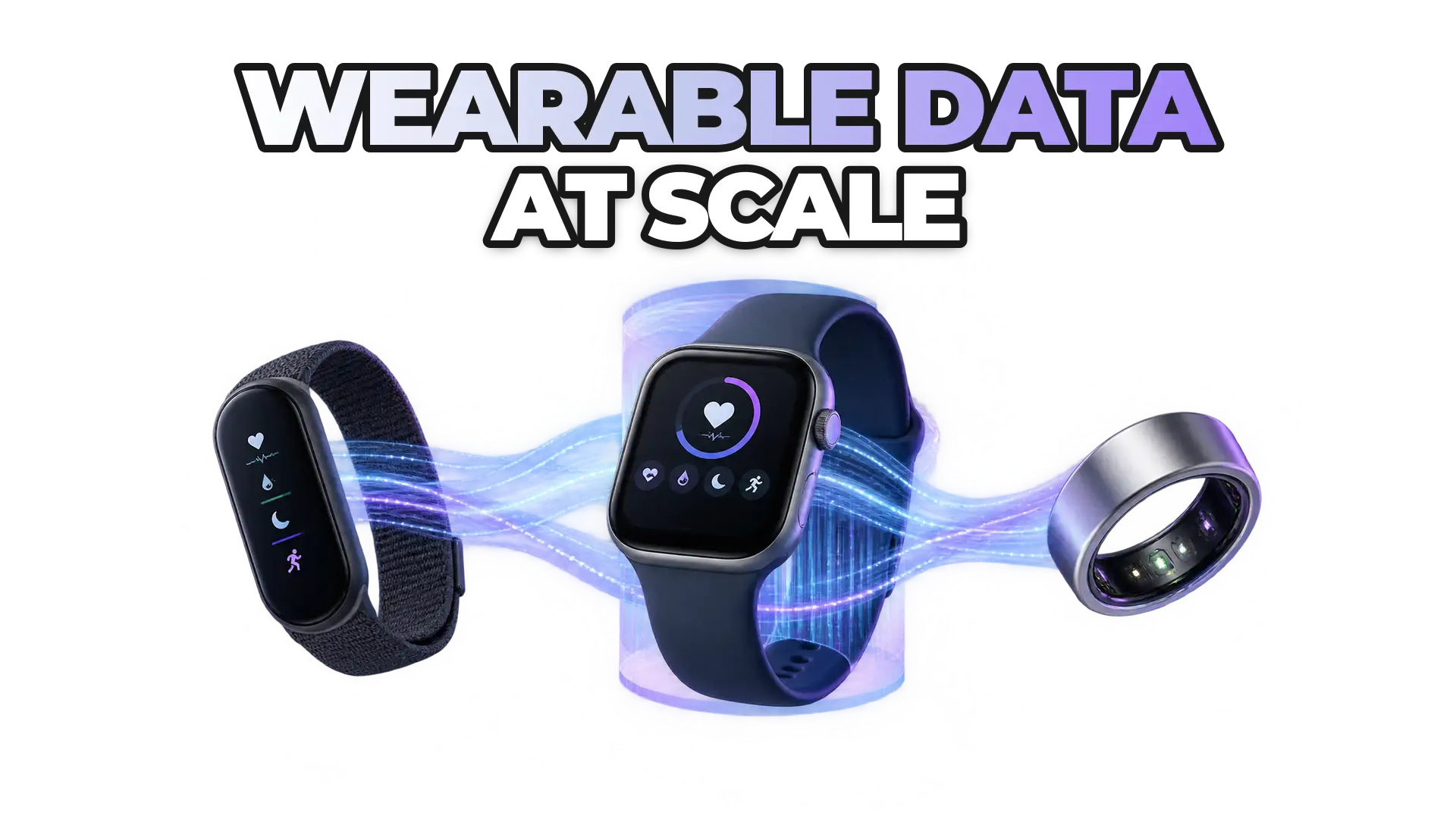
Wearable technology produces a constant stream of health data: steps, heart rate, sleep quality, blood oxygen levels and more. Without context, structure and interpretation, that data is noise. AI is what turns fragmented wearable data streams into information individuals, clinicians and organizations can act on.
Why isn't raw wearable data enough on its own?
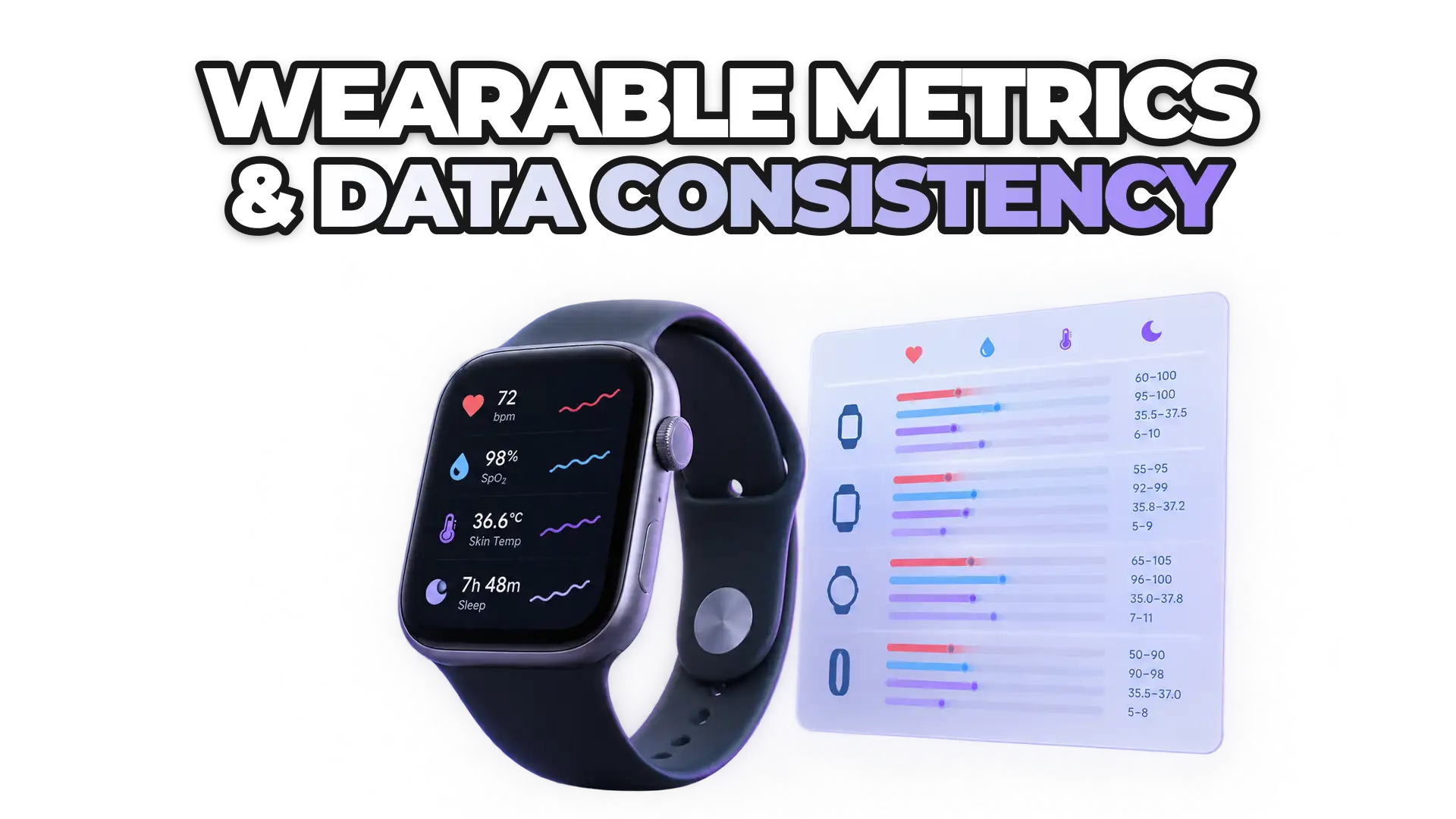
Raw wearable data is rarely usable as delivered, because it is often:
- Unstructured – Each device uses its own format and metrics.
- Incomplete – Readings vary based on usage, battery, or connectivity.
- Context-lacking – A high heart rate could mean exercise—or stress.
Health platforms and researchers need tools that filter, organize and analyze wearable data as it arrives. AI is the layer that does that work.
What role does AI play with wearable health data?
AI learns from wearable data instead of only processing it: by recognizing patterns, trends and anomalies, AI models translate raw biometric signals into insights.
How does AI clean and standardize wearable data?
AI algorithms detect and correct inconsistencies in wearable data, removing duplicate, missing or unreliable data points so wellness and health use cases work from consistent inputs. ROOK covers the standardization side for health data from different devices.
How does AI recognize patterns in wearable data?
Machine learning models identify behavioral and physiological patterns, linking metrics like sleep, heart rate variability and activity levels to signals associated with fatigue or stress.
How does AI personalize health insights?
AI tailors recommendations to an individual's biometric profile, daily rhythms and long-term trends, which makes health interventions more relevant to that person.
How does AI add context to wearable signals?
By combining wearable data with environmental and lifestyle factors, AI can distinguish between similar signals (for example, exercise vs. anxiety), reducing false alerts.
Where is AI-analyzed wearable data used?
How is AI-analyzed wearable data used in preventive healthcare?
In preventive healthcare, AI-driven analysis flags subtle shifts from a person's baseline data so care teams can review them earlier, making prevention a measurable, data-supported practice.
How is AI-analyzed wearable data used in fitness and performance?
Athletes and trainers use AI-analyzed wearable data to track recovery, avoid overtraining and tailor workouts.
How is AI-analyzed wearable data used in remote patient monitoring?
In remote patient monitoring, healthcare providers use AI-analyzed wearable data to follow recovery progress, medication adherence and post-treatment responses between visits. ROOK moves and standardizes the data; it does not diagnose or replace clinical judgment.
How is AI-analyzed wearable data used in insurance and corporate wellness?
InsurTech and wellness programs use AI-analyzed wearable data to reward healthy behavior and update risk views over time, creating more personalized and preventive coverage models. See how this works in wearable data in insurance.
What is the future of AI and wearable data?
AI and wearable technology are moving health data from simple step tracking toward a continuous health intelligence ecosystem that surfaces signals worth reviewing, personalizes care and helps users take control of their wellbeing.
The collaboration between AI, wearables and data platforms like ROOK turns passive health data into inputs for proactive health decisions. ROOK connects 72 data sources and more than 500 devices and delivers the data in one standardized format for AI models; see how to use wearable data in AI health models.
What is the takeaway on AI and wearable data?
AI and wearable technology change how health is understood and managed: the value is no longer collecting data but turning it into knowledge that supports timely action, personalized programs and continuous wellbeing.
The value of wearables emerges when data is clear, connected and usable. To start building with standardized wearable data, read the ROOK developer documentation.
 Written byDaniel MasDigital Marketing Lead