Blog
ROOK vs. other offerings: why do digital health companies choose ROOK?
Build your own wearable integrations or partner with ROOK? What sets ROOK apart: deep per-source integration, normalized data, a health score and FHIR conversion.
Health Data Insights & TrendsROOK News
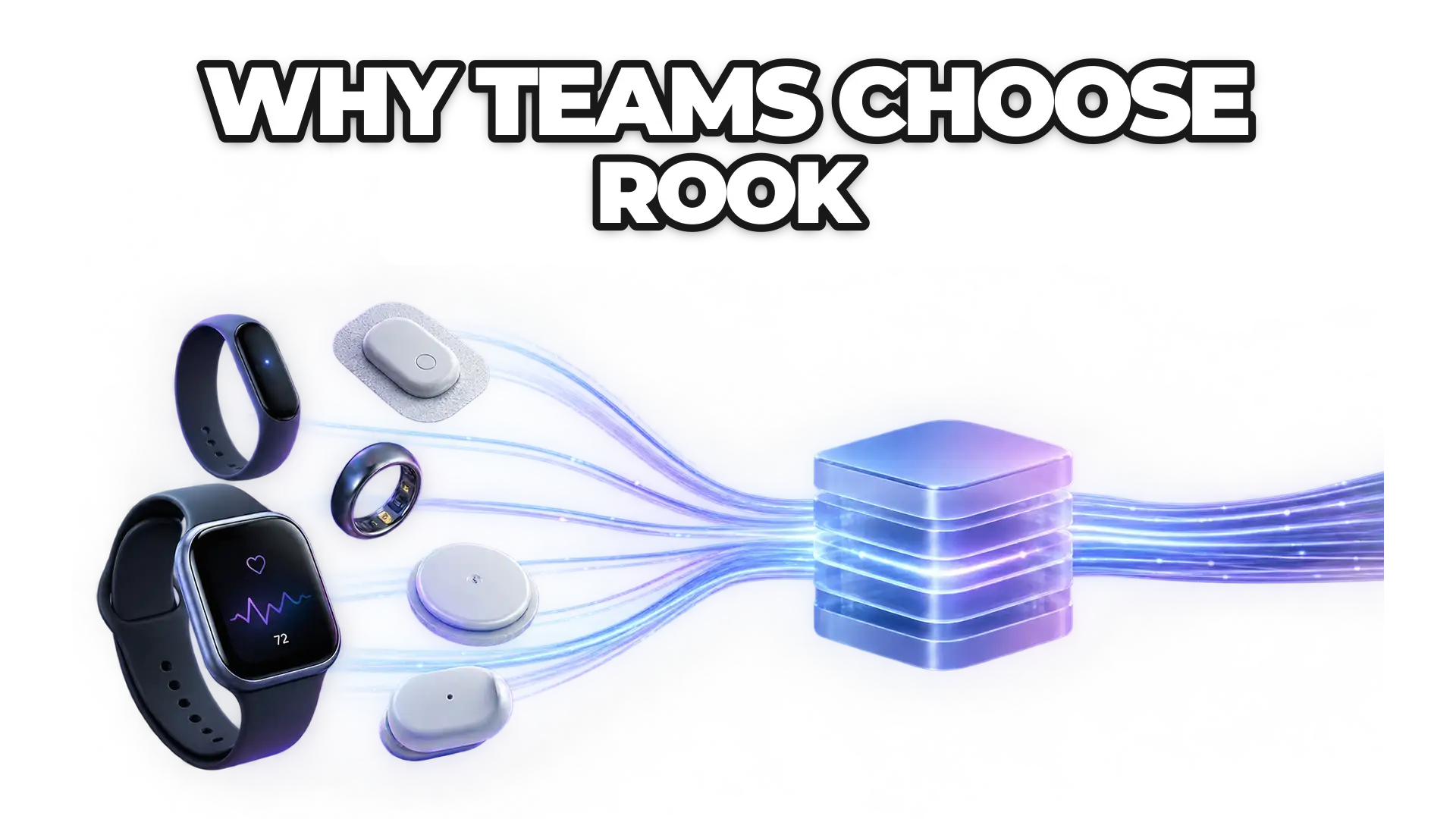
Digital health companies choose ROOK when they want wearable data without building their own integrations. ROOK integrates deeply with each data source, then harmonizes, cleans and normalizes the data into a single schema covering 72 data sources and more than 500 devices. ROOK adds a proprietary health score (ROOKScore) and can convert its JSON to FHIR. Alternatives such as Terra, Junction, Spike API or Validic each focus on a narrower niche.
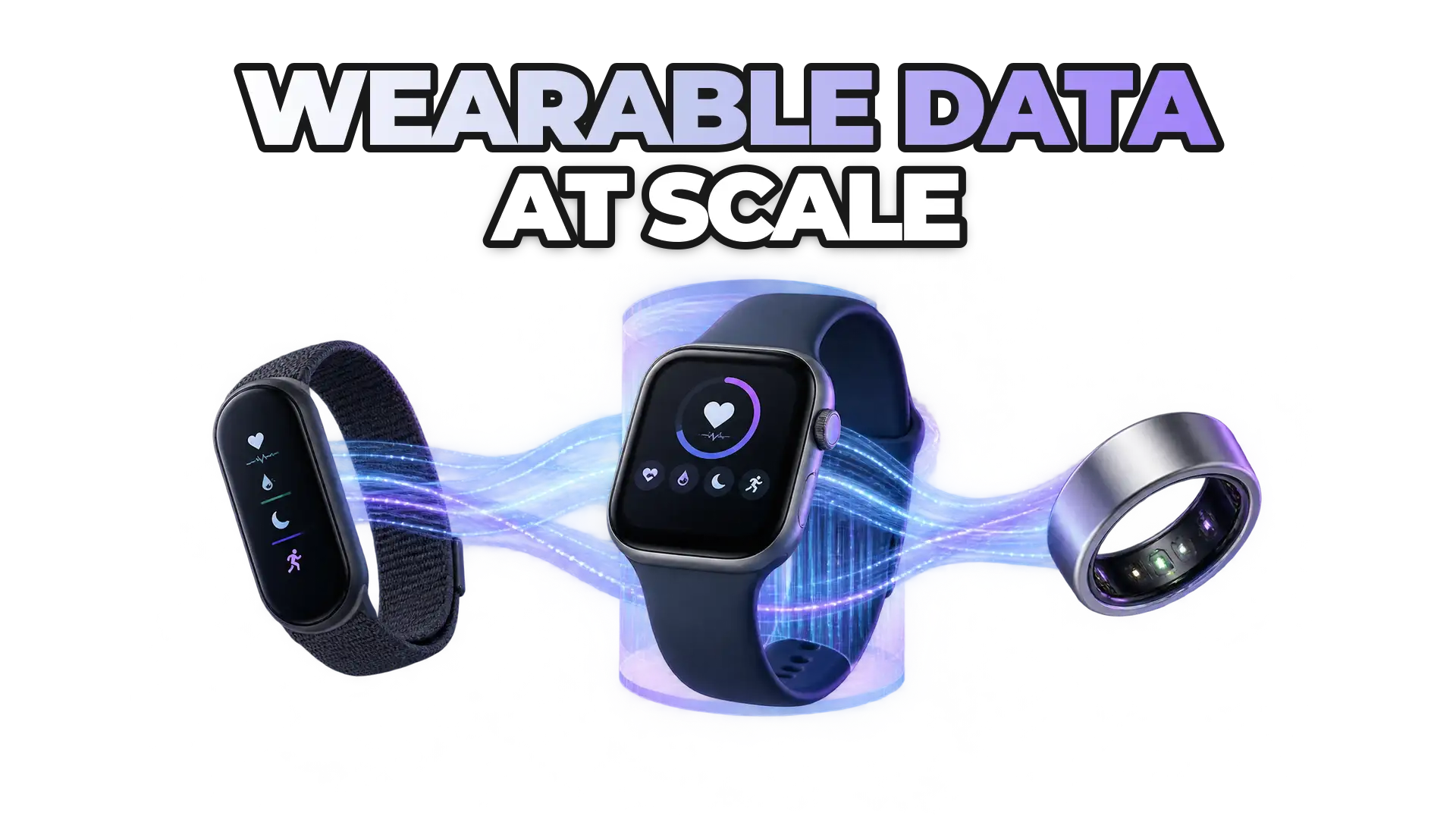
If you want to use your customers’ wearable data, you face a choice: develop your own integrations or partner with a service like ROOK, the health data platform. This post explains what sets ROOK apart from other offerings.
What makes ROOK's value proposition different?
What is ROOK's health score?
ROOK's proprietary health score, ROOKScore, analyzes data from multiple sources to give a view of a user’s health and wellness over time. Details are in how ROOKScore uses wearable data.
How deep is ROOK's integration with each data source?
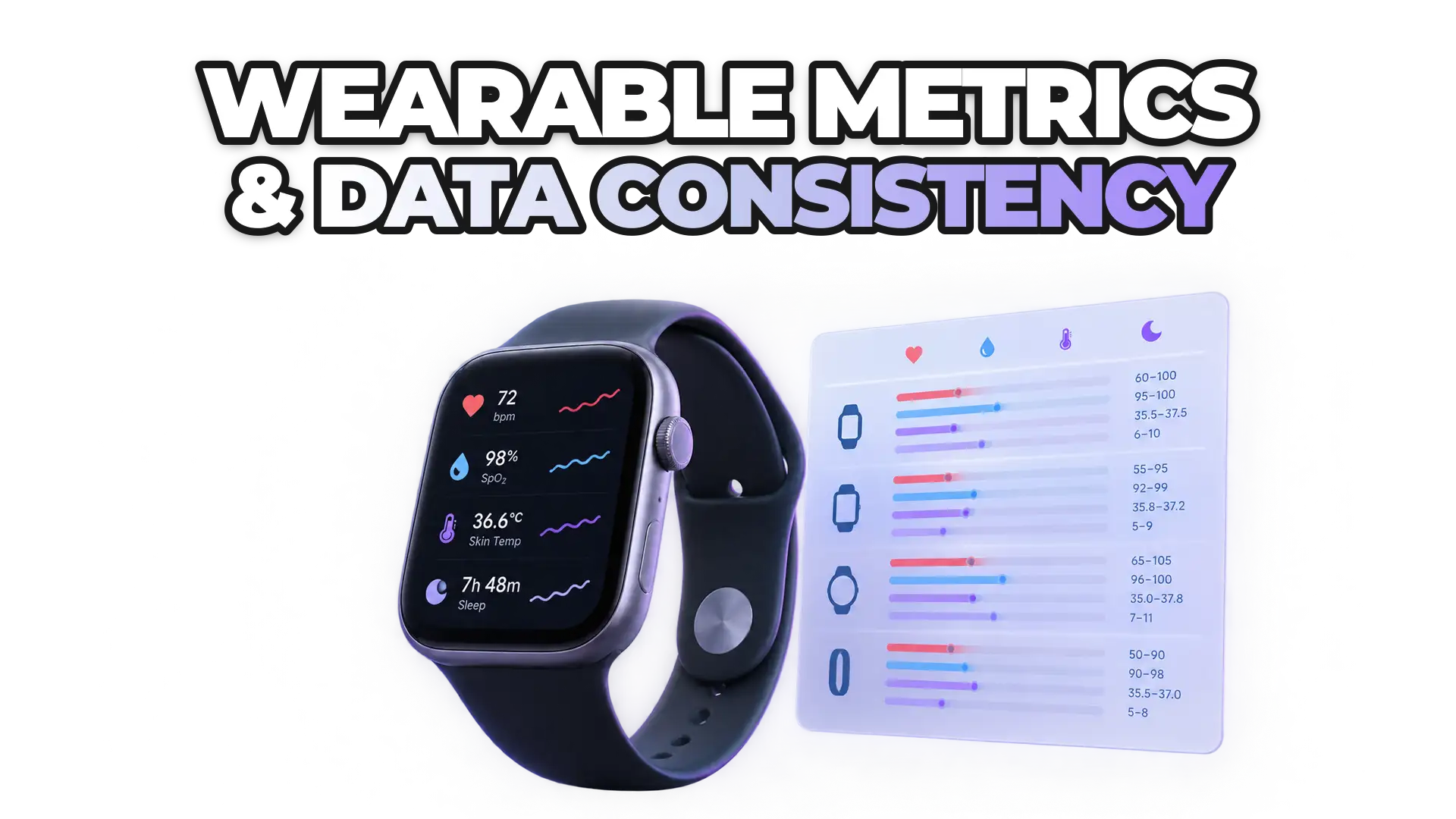
ROOK integrates deeply with each data source provider, which produces accurate and comparable data across users. ROOK harmonizes, cleans and normalizes the data, so it is standardized and comparable between users.
This processing makes ROOK’s dataset AI-ready and usable across disparate systems.
Why is prevention at the core of ROOK?
Prevention is a cornerstone of ROOK’s philosophy. ROOK structures longitudinal data so your product can follow trends and support lifestyle and prevention programs. This approach aligns with the principles of Medicine 3.0, which emphasize maintaining health rather than only treating sickness.
Why do digital health companies choose ROOK?
Digital health companies choose ROOK for its data depth, personalized health insights, focus on prevention and wellness, continuous development, and security program.
ROOK is used by large enterprises and healthcare organizations. ROOK’s infrastructure is built for regulated environments where data inconsistency, downtime and scalability limits are costly.
How does ROOK align with Medicine 3.0?
ROOK supports the Medicine 3.0 mission of preventing, personalizing and empowering individuals with their health data. ROOK helps you and your users make informed decisions about health and wellbeing.
How broad is ROOK's data coverage, and is it FHIR-compatible?
ROOK connects 72 data sources and more than 500 devices, including wearables, smart scales and medical devices. ROOK’s standardized API normalizes and merges data from multiple sources into a single data schema. ROOK can also convert its JSON files to FHIR, so the data can travel further within the health ecosystem.
What personalized insights does ROOK provide?
ROOK analyzes health data to support personalized recommendations for each user. ROOKScore evaluates overall wellness and highlights areas for improvement, so your product can suggest preventive actions for a healthy lifestyle.
How does ROOK focus on prevention and wellness?
ROOK focuses on prevention and wellness by delivering continuous data and scores your product can use for proactive programs and personalized recommendations. This fits value-based care models and the growing emphasis on preventive health.
ROOK moves and standardizes the data; it does not diagnose or replace clinical judgment.
How does ROOK keep innovating?
ROOK invests in R&D to expand data sources, refine algorithms and add features for partners, and works closely with partners to understand their needs.
How does ROOK protect health data?
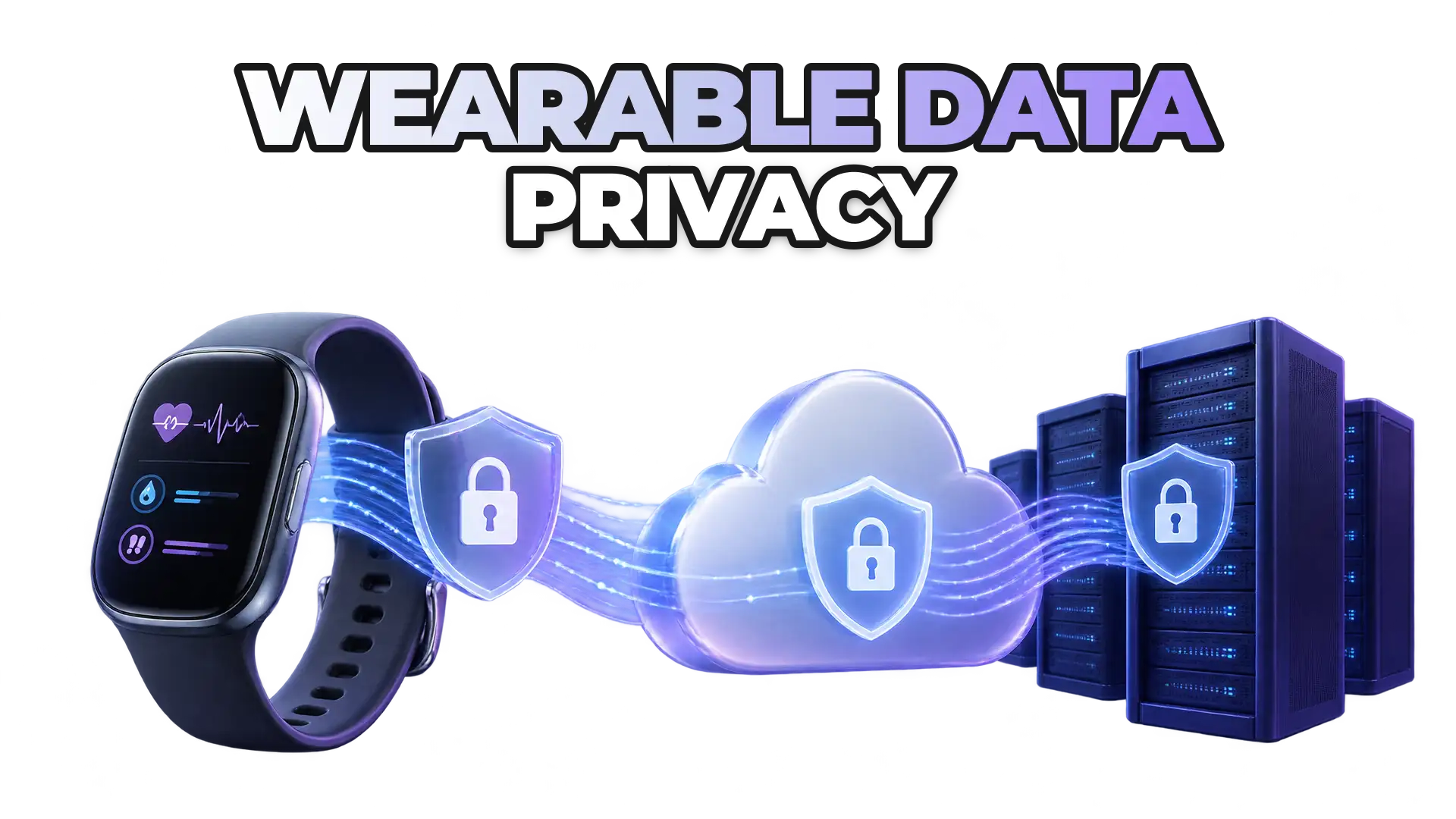
ROOK operates under a HIPAA-aligned security program, signs BAAs with covered entities, and processes EU personal data under GDPR as a data processor. Your users’ health information stays private and secure.
How does ROOK compare with other offerings?
Each alternative to ROOK focuses on a different niche:
Terra: Terra website — focused on no-code solutions for early-stage startups (good for building MVPs)
Junction (formerly Vital): Junction website — focused on lab testing data (offering an at-home lab testing API)
WeFitter: WeFitter website — focused on gamification (good for lifestyle and fitness solutions)
Spike API: Spike API website — focused on alternative IoT devices and data sources (e.g. Tesla, Spotify, Amazon Kindle)
Human API: Human API website — focused on health data as transactional data (an end-user app collects data that is then transferred to entities interested in it)
Thryve: Thryve website — focused on the government sector in Europe
Validic: Validic website — focused on IoT device integrations embedded in EHRs
For head-to-head detail, see ROOK vs Terra API.
Is ROOK the right partner for your digital health company?
ROOK combines a health score, deep integration with each data source, FHIR conversion, a prevention focus and personalized insights. ROOK handles the data, so your team can focus on building the best experience for your users.
ROOK fits best for companies that need enterprise scalability, deeply processed and clean data, and support for complex use cases. To evaluate it hands-on, try the ROOK sandbox.
Health Data Insights & TrendsROOK News
 Written byJonas DückerCMO | COO