Blog
How did ThyForLife automate thyroid tracking with ROOK?
ThyForLife replaced manual data entry with wearable data through ROOK, adding sleep, recovery, stress and activity tracking for people with thyroid conditions.
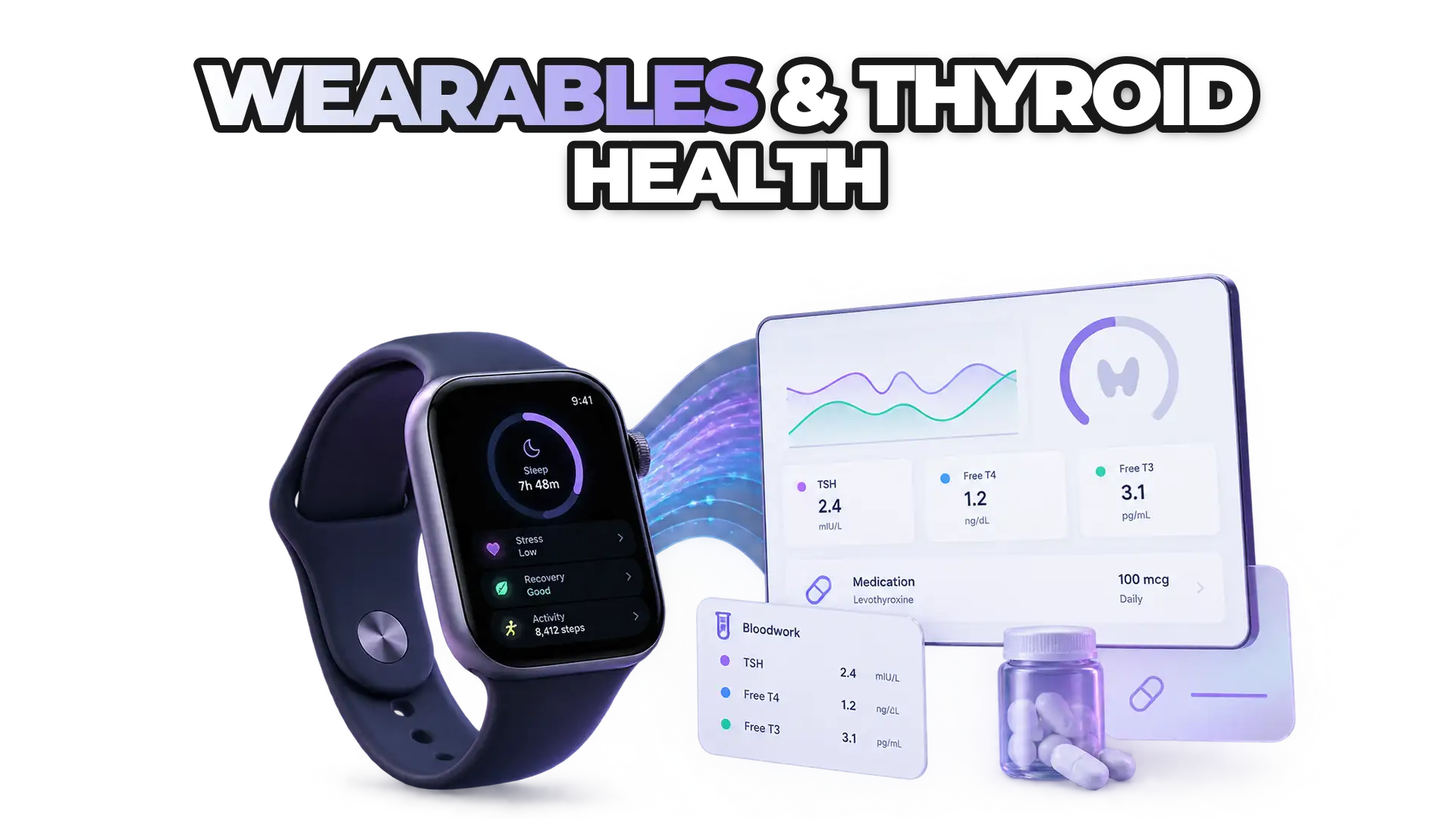
ThyForLife, a platform for people with thyroid conditions, integrated ROOK's wearable API to replace manual data entry with automated wearable data collection. Users now passively track sleep, recovery, stress, and daily activity alongside bloodwork, medication, weight, and symptoms. After the integration, daily app usage increased by 26%, and 73% of active users now sync wearable data.
What is ThyForLife?
ThyForLife is an all-in-one global platform designed to support individuals with thyroid conditions, which affect 1 in 8 women and 1 in 40 men worldwide. The platform provides tools to monitor thyroid health, track key metrics like bloodwork, medication, weight, and symptoms, and connect users with a global thyroid-focused community.
What problem did ThyForLife have before ROOK?
Before integrating ROOK's wearable API, ThyForLife relied on users to manually input data such as TSH levels, medication changes, and weight. Manual entry was time-consuming, prone to errors, and could not capture metrics like sleep, recovery, and stress. CEO Natalia Lumen highlighted these limitations and the need for a solution that could automate data collection and provide a more holistic view of users' health.
Key limitations before the ROOK integration:
- No tracking of sleep, recovery, or stress metrics.
- Limited ability to monitor daily movement and activity.
- Reliance on manual data entry, leading to inconsistencies.
How did ROOK solve it?
ROOK's wearable API let ThyForLife automate data collection from wearable devices, eliminating the need for manual input. Users now benefit from passive tracking of sleep, recovery, stress, and daily activity levels, which gives a more comprehensive picture of their health.
Key benefits for ThyForLife users:
Automated tracking: no manual input required, as data flows passively in the background.
Broader tracking: sleep, recovery, stress, and daily activity sit alongside traditional thyroid metrics.
Personalized recommendations: ThyForLife bases its recommendations on a more complete view of each user's data.
Improved accountability: users can easily track habits and progress toward their health goals.
What results did ThyForLife see?
The ROOK integration improved user engagement and platform effectiveness at ThyForLife:
Increased engagement: daily app usage increased by 26%.
More data syncing: 73% of active users now sync wearable data, instead of relying on manual input.
Improved user experience: streamlined data collection and personalized recommendations have increased the value of ThyForLife for its users.
What does the ThyForLife case show?
The ThyForLife case shows how automating data collection and expanding tracking can make a condition-focused health app easier to use and more engaging. ThyForLife owns the care experience and its recommendations; ROOK moves and standardizes the data; it does not diagnose or replace clinical judgment.
Read the full ThyForLife case study (PDF)
To try the same wearable data flow, connect a device in the ROOK sandbox.
 Written byJonas DückerCMO | COO