Blog
How Gentherm Powers WellSense™ with ROOK Wearable Data
Gentherm uses ROOK's API as the wearable data layer behind WellSense™, getting standardized heart rate, HRV, temperature and sleep data through one integration.
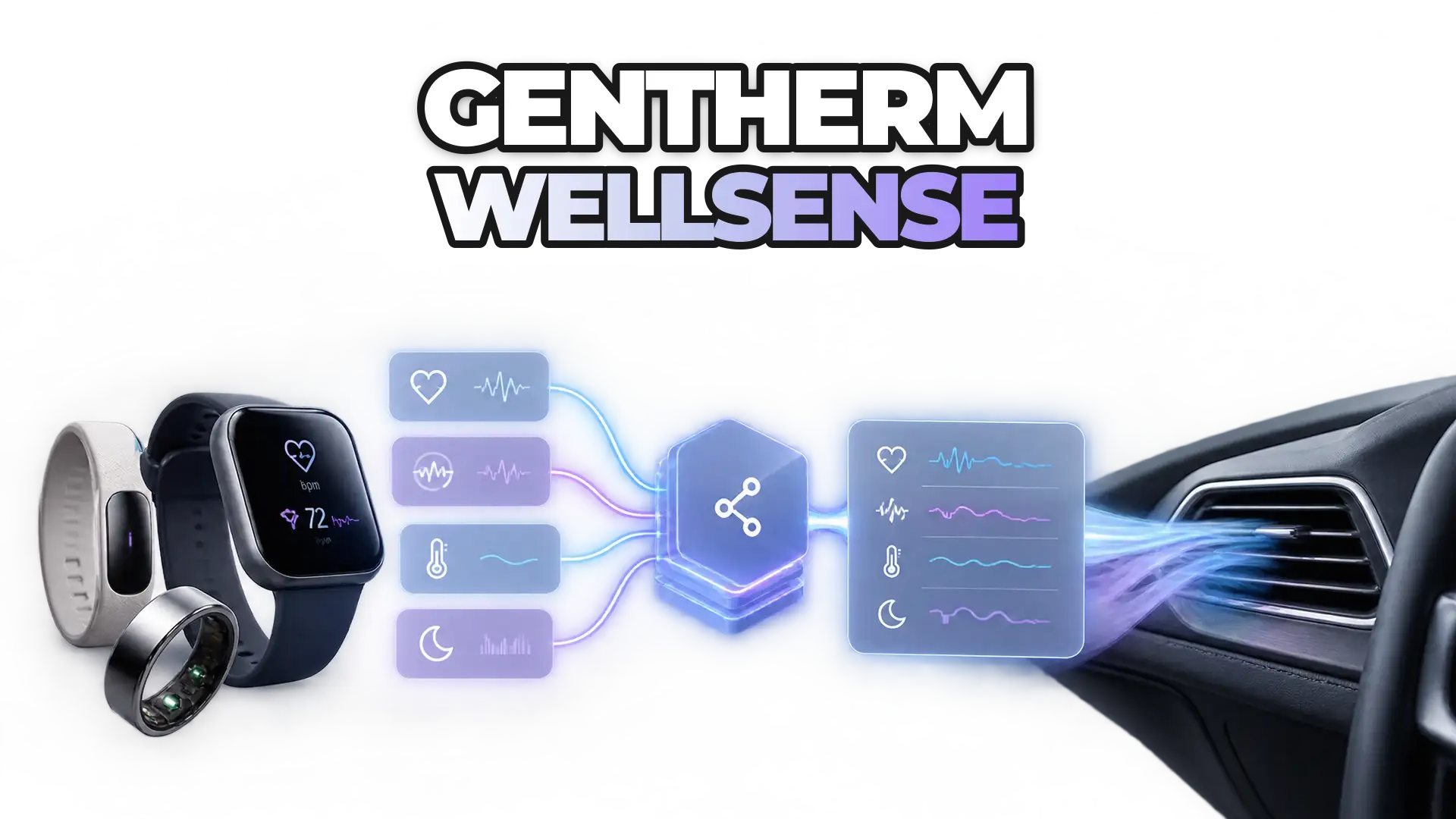
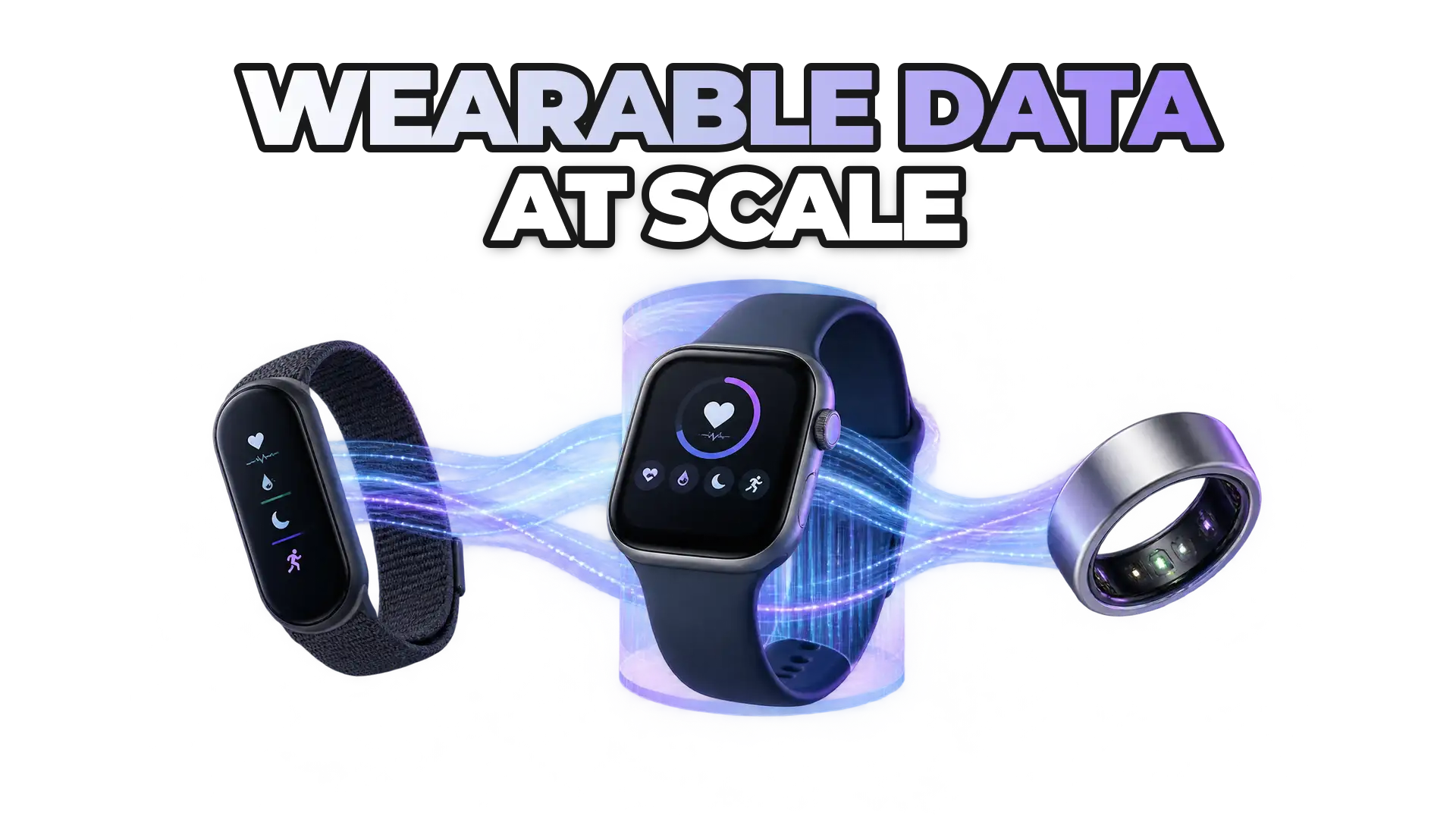
Gentherm integrated ROOK’s API into WellSense™, its in-cabin comfort platform, as a single interface for wearable health data. Instead of building a custom integration for each device, Gentherm receives standardized, deduplicated heart rate, heart rate variability (HRV), body temperature and sleep data from 72 data sources and more than 500 devices, which it uses to train and field-test the models that adapt thermal and pneumatic comfort to each occupant.
Gentherm is a global leader in thermal management and pneumatic comfort technologies. With operations in more than 13 countries, Gentherm develops science-driven solutions across the automotive, healthcare, and industrial sectors, blending thermal innovation, human-centered design, and physiological data to improve the human experience.
What is Gentherm’s WellSense™?
WellSense™ is Gentherm’s smart experience platform for well-being and comfort in vehicles and beyond. WellSense™ combines proprietary physiological research with software that orchestrates thermal and pneumatic systems, adapting to each occupant’s physiological state instead of applying simple temperature or airflow control.
What data challenges did Gentherm face?
Gentherm needed continuous, reliable access to real-world physiological data to personalize WellSense™, and several barriers stood in the way:
- A fragmented wearable ecosystem, each with its own SDKs, APIs, and data structures
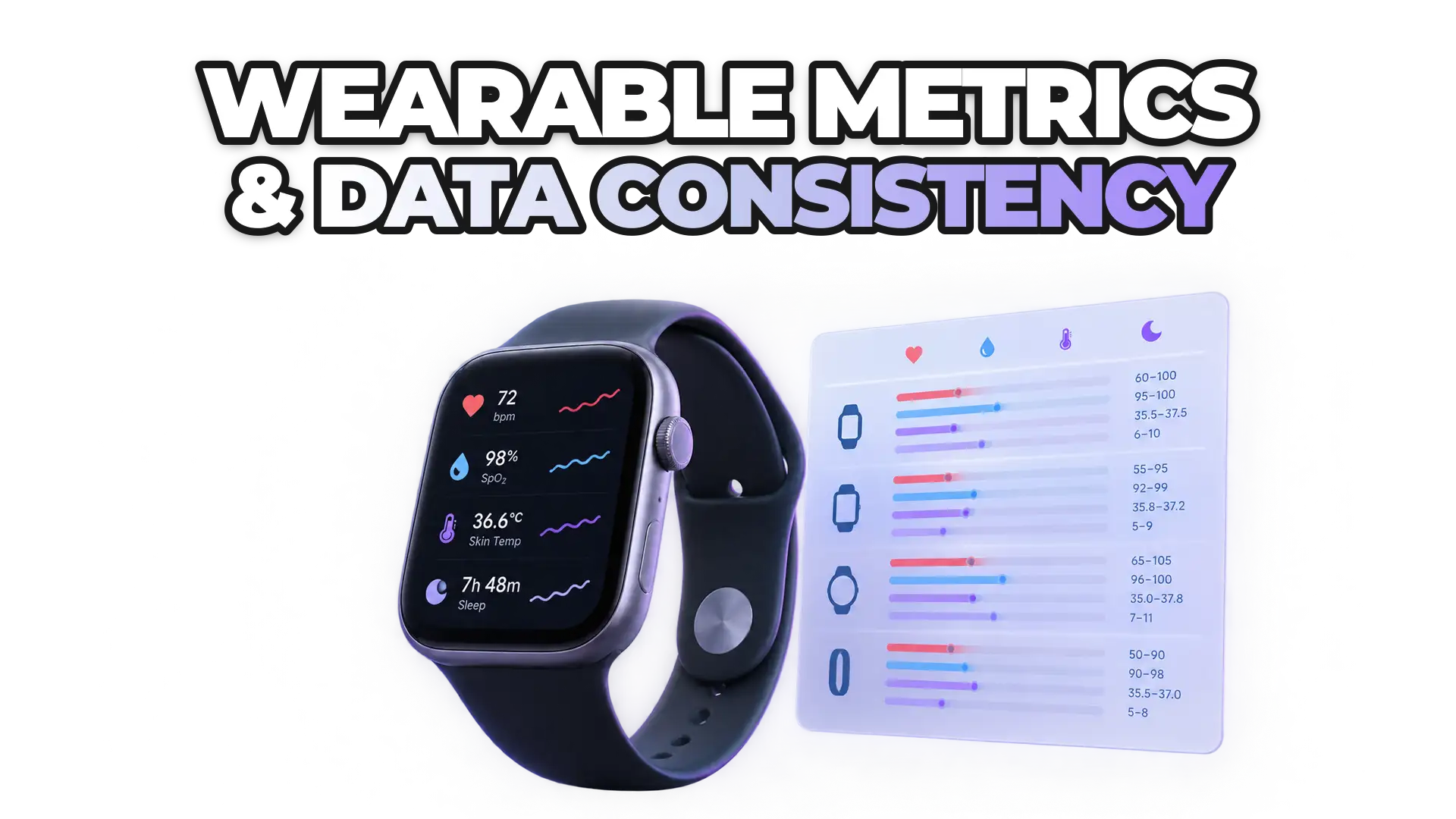
- Inconsistent data formats and lack of standardization
- Proprietary integrations required for each device
- High engineering effort to build and maintain data pipelines
- Difficulty transforming raw data into meaningful signals
- Limited scalability for field testing across diverse users and devices
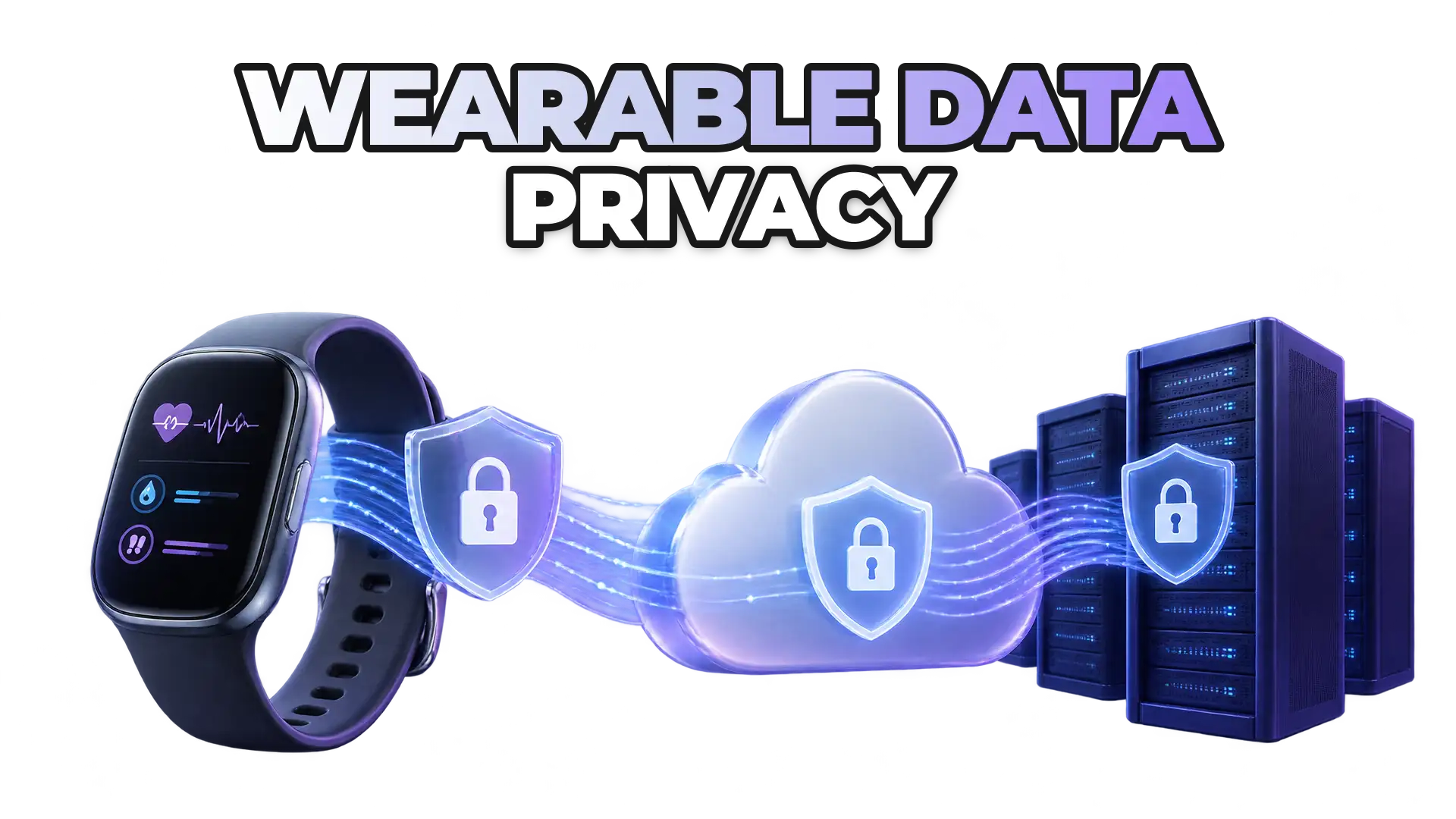
- Strict compliance requirements, including HIPAA and GDPR
These barriers made it difficult to train and scale the thermal regulation models behind WellSense™, slowing down Gentherm’s product innovation cycles.
How does ROOK work as the data infrastructure behind WellSense™?
ROOK works as a unified interface for wearable health data inside WellSense™, replacing per-device integrations with one API. ROOK gave Gentherm:
- Access to data from 72 data sources and more than 500 devices through a single API
- Standardized metrics such as heart rate, heart rate variability (HRV), body temperature, and sleep
- Normalized, deduplicated data ready for immediate use
- Continuous syncing to support responsive thermal control
- ROOK operates under a HIPAA-aligned security program, signs BAAs with covered entities, and processes EU personal data under GDPR as a data processor.
What did Gentherm gain by adopting ROOK?
Gentherm gained faster product work and cleaner model inputs by adopting ROOK:
- Scalability: more devices, no extra engineering
- More time for product development, less time on infrastructure
- Cleaner, more consistent data for training personalization models
- Compliance support from a vendor that signs BAAs and acts as a GDPR data processor
- More efficient field testing across devices and geographies
- Comfort experiences driven by real user physiology
As Gentherm expands WellSense™, ROOK remains a core enabler: WellSense™ now supports experimentation with new biometric signals, fine-tuning of adaptive algorithms, and deployment across markets without fragmented data systems. ROOK moves and standardizes the data; WellSense™ owns the comfort logic built on top of it.
What does the Gentherm case show about wearable data for comfort products?
The Gentherm case shows that adaptive comfort products depend on a clean biometric data layer. ROOK turns fragmented wearable data into consistent inputs for WellSense™; what once required multiple SDKs and weeks of engineering now flows through a single API. For the build-versus-buy trade-off behind that choice, read building wearable integrations in-house vs. using ROOK.
To test the same data layer, try the ROOK sandbox.
 Written byDaniel MasDigital Marketing Lead