Podcast & media
Can You Trust Your Wearable? Why Wearable Data Standardization Matters
On The DNA of Things, ROOK CEO Marco Benítez explains why fragmented wearable data is hard to use and why standardized health data matters for digital health.
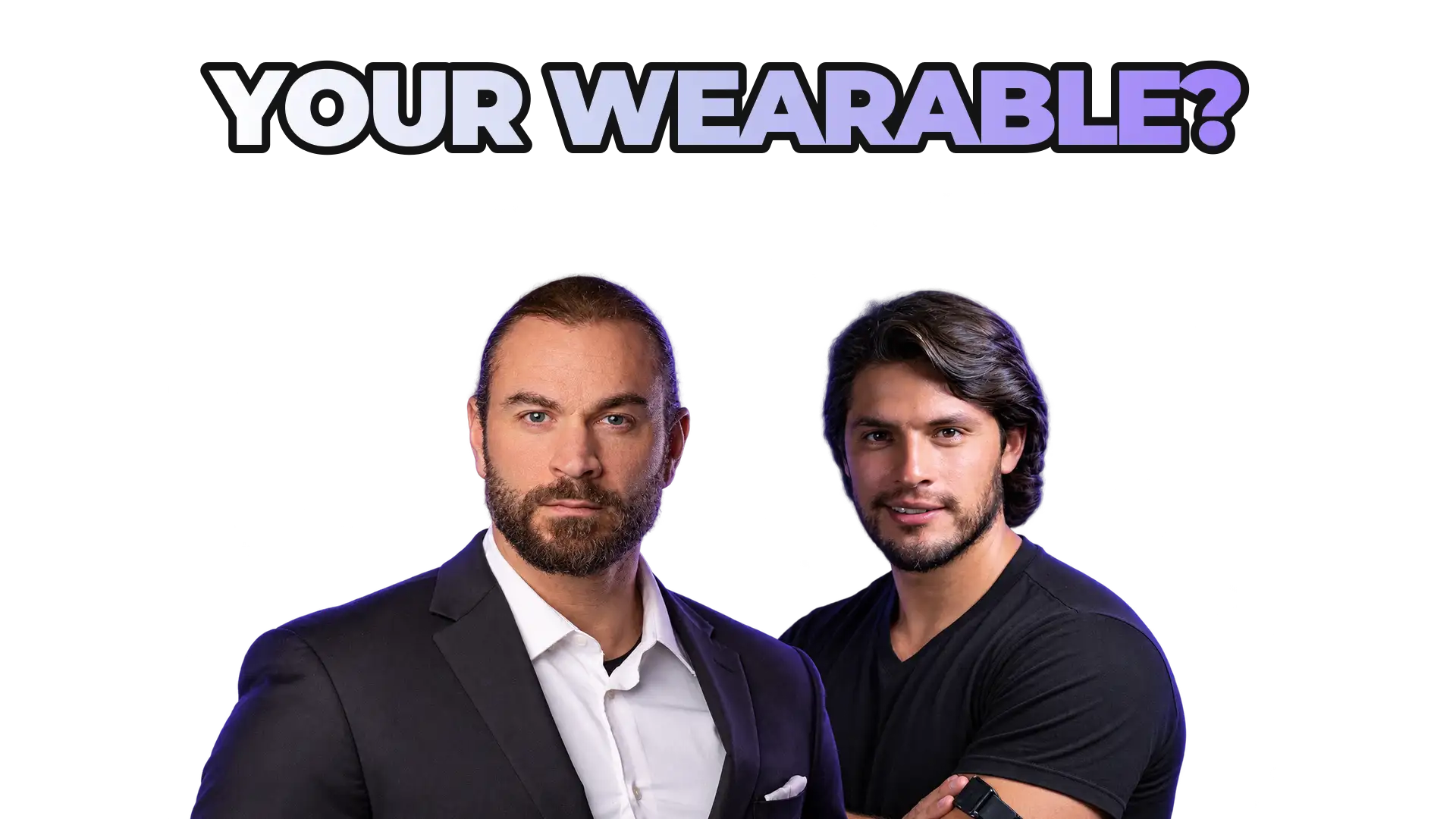
In this episode of The DNA of Things, Dr. Jeremy Koenig talks with Marco Benítez, CEO and co-founder of ROOK, about turning fragmented wearable data into clean, standardized, usable information. They discuss why two devices worn by the same person can produce different outputs, how device fragmentation affects digital health products, and why data infrastructure matters for insurance, pharma, RPM, clinical trials, longevity, and AI.
Wearable data is becoming one of the most valuable signals in health tech, but device fragmentation makes it difficult for companies to build reliable products at scale.
What topics does the episode cover?
- Why wearable data is valuable but difficult to use
- The impact of device fragmentation on digital health products
- Why two devices can produce different outputs for the same person
- The importance of clean, standardized, and usable health data
- How wearable data supports insurance, pharma, RPM, clinical trials, longevity, and AI
- Why data infrastructure matters for better insights and outcomes
- How companies can turn fragmented health signals into actionable intelligence
Standardized data improves consistency, but it cannot correct a device’s own measurement error or replace clinical validation. Related reading: the hidden value of wearable data.
To start working with standardized wearable data, read the ROOK API documentation.
 Written byDaniel MasDigital Marketing Lead