
Wearables for Mental Health: How Health Data Can Support Emotional Wellbeing
Wearables can provide valuable context about sleep, physical activity, heart rate, HRV, and daily behavior. Discover how standardized wearable data can support responsible mental health research, wellness programs, and personalized digital experiences.
From Fitness to Performance: Wearables as a Tool for Athlete Optimization
Wearables are transforming athlete performance by connecting training, sleep, recovery, and workload data. Learn how standardized wearable data helps coaches and fitness platforms build more personalized, scalable, and data-driven experiences.
Wearables and Their Impact on Community Health Management: Collective Monitoring to Improve Public Health
Wearables can provide valuable information about physical activity, sleep, recovery, and other health behaviors across communities. Discover how standardized wearable data can support population health research, preventive programs, and more informed decision-making.
Sleeping Poorly vs Training Poorly: What Impacts Your Health More?
Poor sleep and ineffective training can both affect health and performance, but in different ways. Learn how sleep, exercise, and recovery interact—and how wearable data can help reveal meaningful patterns.
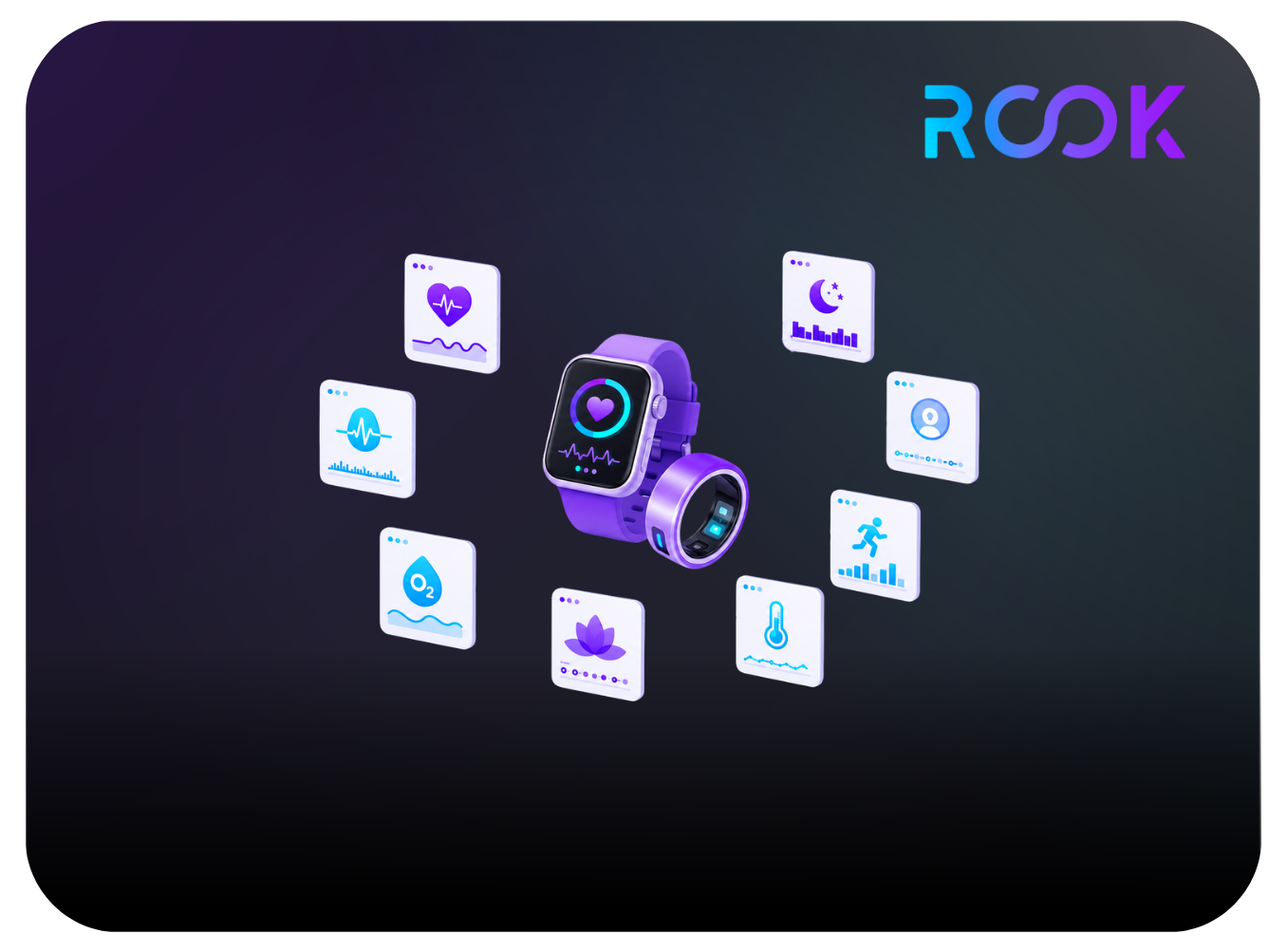
What Your Smartwatch Isn’t Telling You About Your Health
Smartwatches track steps, heart rate, sleep, and activity—but these metrics only reveal part of the story. Discover what wearable data may be missing and how context, trends, and standardization create more meaningful health insights.
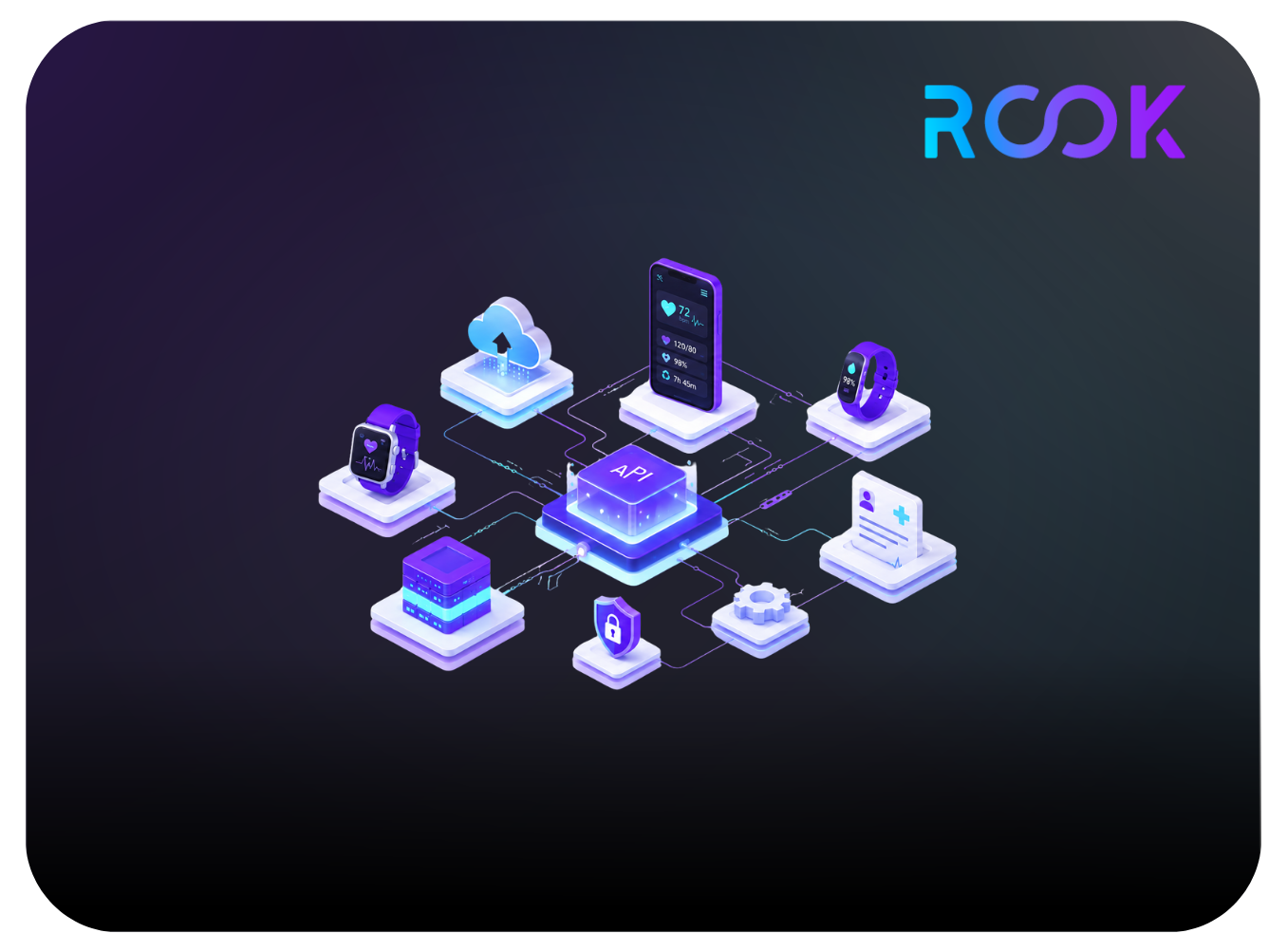
Why Wearable Health Data Matters in 2026
Excerpt:
Wearable health data is transforming digital health in 2026. Discover why it matters and how ROOK helps companies integrate, standardize, and activate data from multiple connected devices.
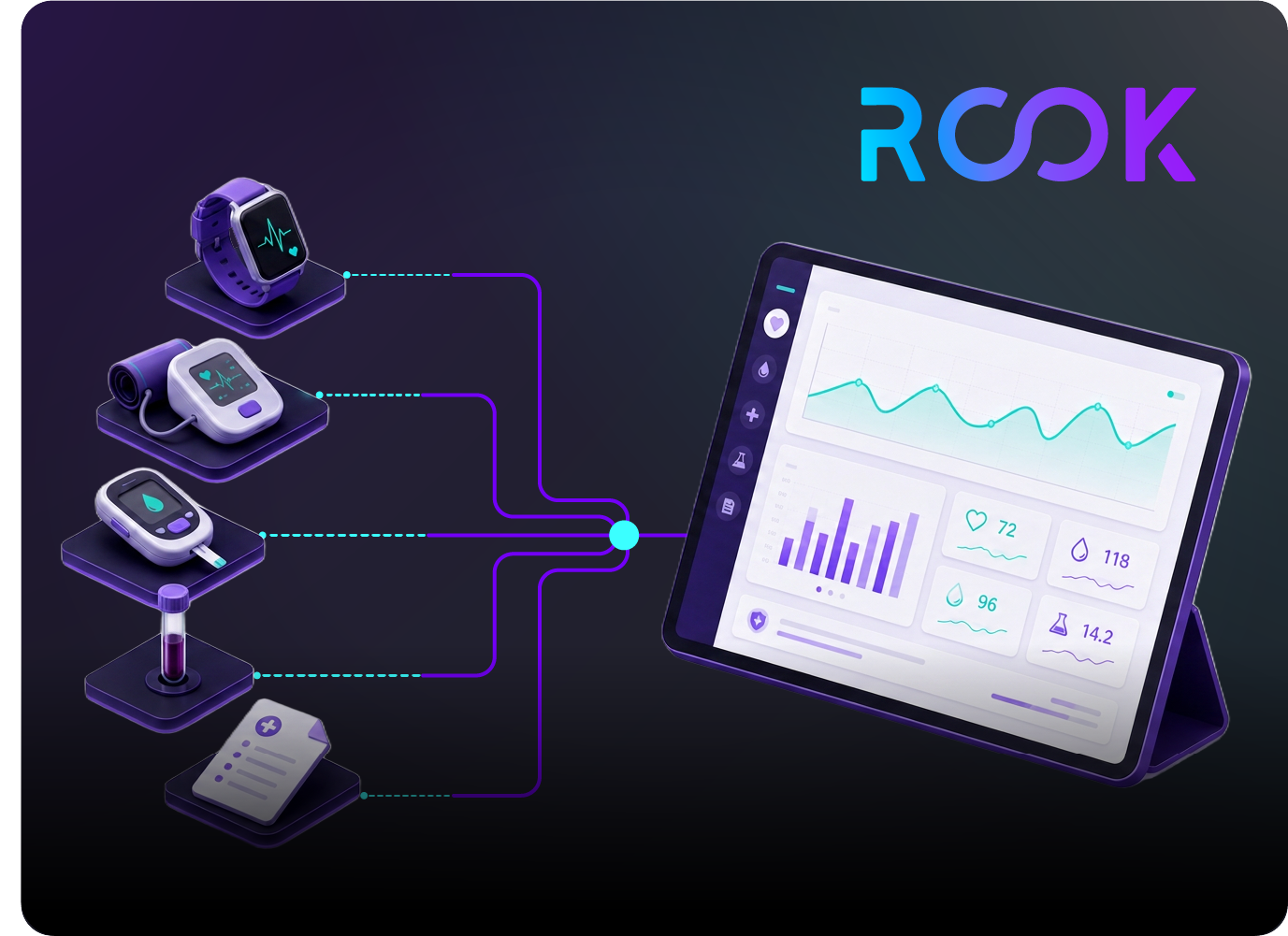
How to turn multiple health data sources into useful information for ACCESS programs
ACCESS programs can connect wearables, medical devices, lab results, and clinical data, but access alone is not enough. Learn how standardization, context, and interoperability can turn multiple health data sources into useful information that supports scalable programs and better workflows.
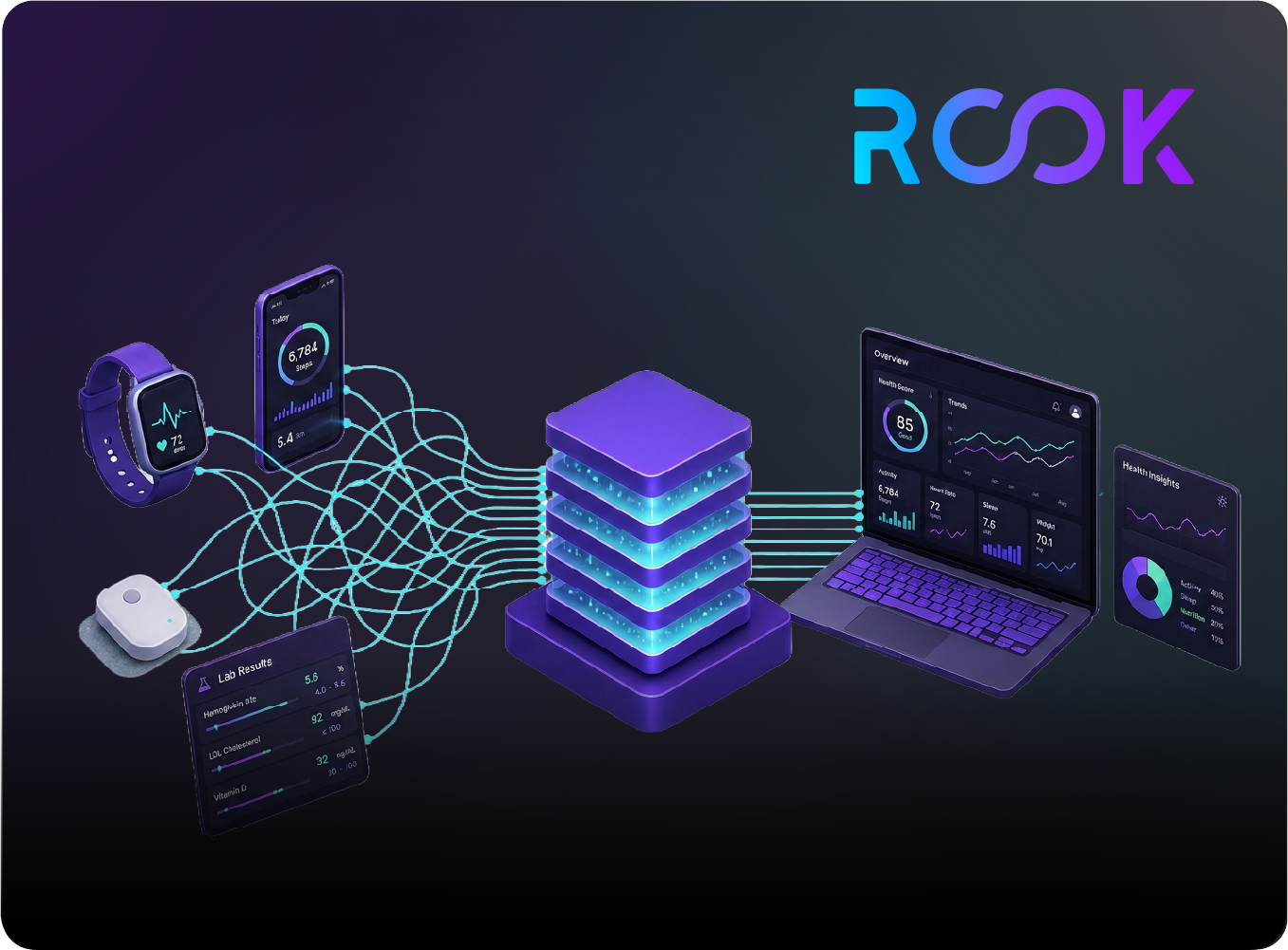
The Hidden Cost of Point-to-Point Integrations in ACCESS
Point-to-point integrations can help ACCESS programs launch quickly, but they often create more maintenance, inconsistent data, and reporting challenges as the program scales.
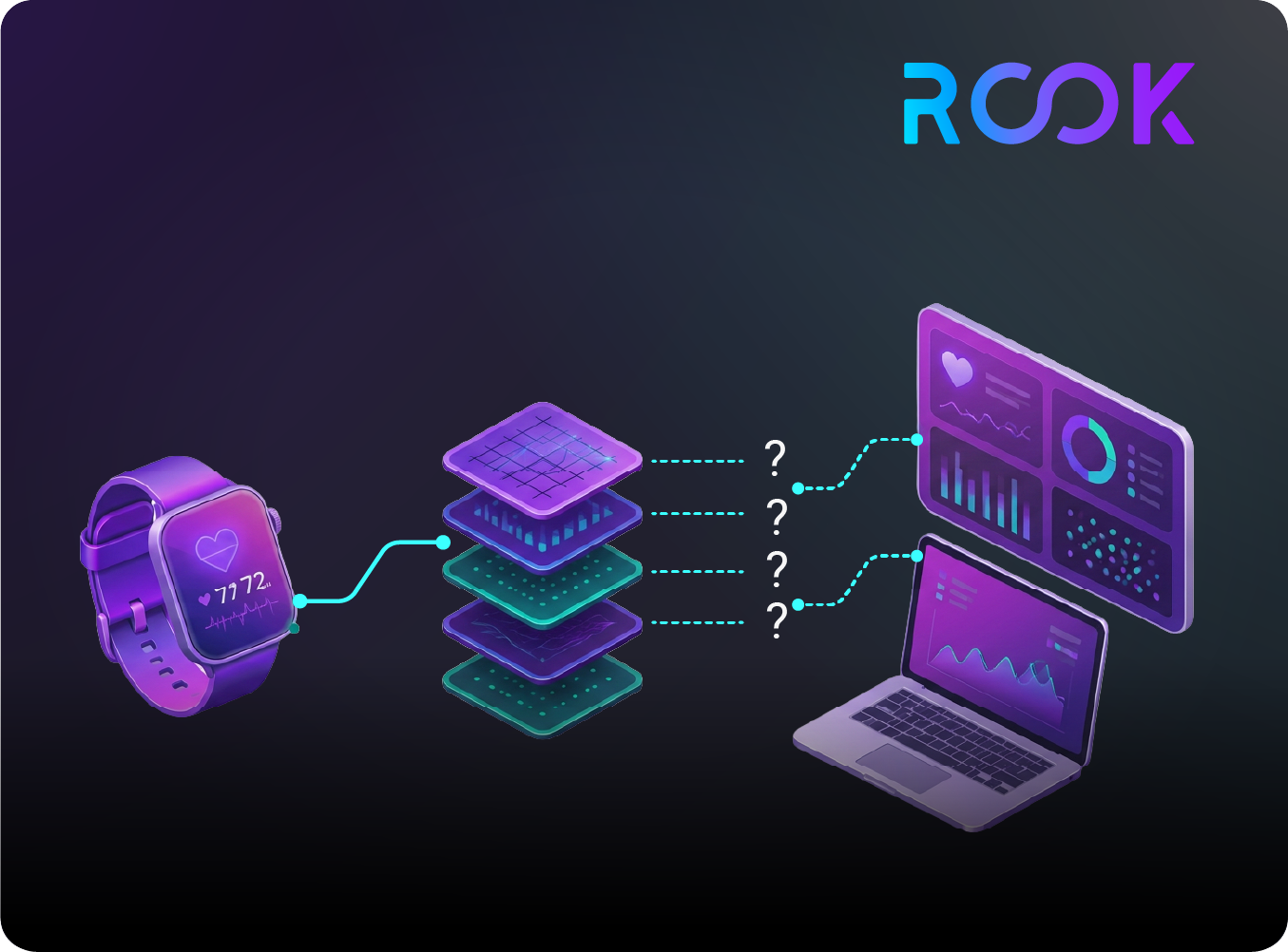
Why wearable data alone may not be enough for ACCESS programs
Wearable data can help ACCESS programs monitor long-term patterns, but context from medical devices, labs, clinical systems, and workflows makes that data more useful.
What the Validic and Spike Acquisitions Mean for Health Data API Buyers — and Why ROOK Is the Independent Alternative
The acquisitions of Validic and Spike are reshaping the health data infrastructure market. Here’s what it means for teams that rely on these APIs and why vendor independence matters.
From Data to Insights: How to Use a Health API to Build Smarter Apps
The best health apps turn data into actionable insights. APIs like ROOK help centralize and standardize health data so teams can build more personalized experiences and support better decisions.
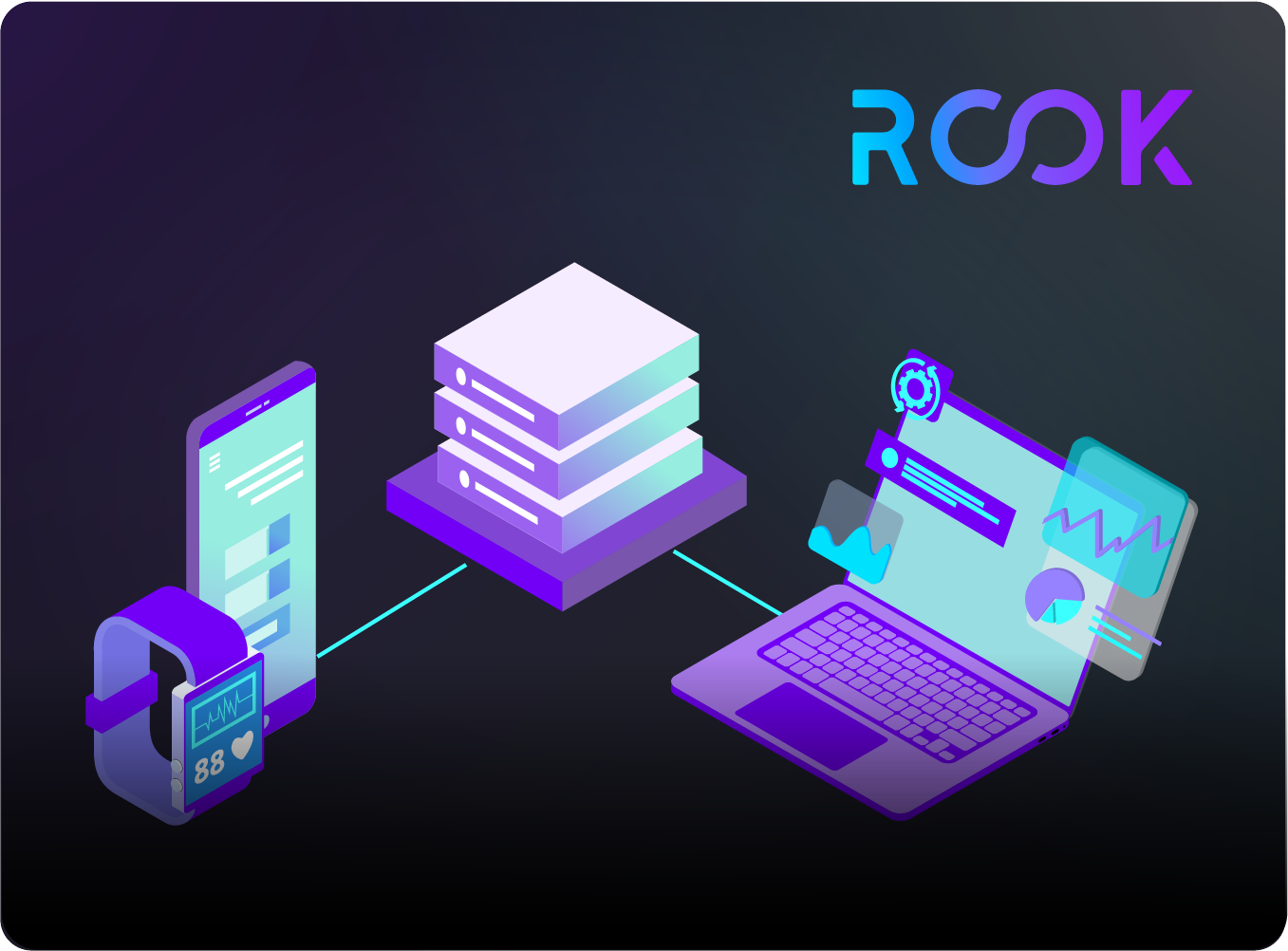
The ACCESS Pre-Launch Verification Checklist
A practical checklist to verify that your ACCESS data, devices, workflows, and reporting processes are ready before go-live.
Breaking Down the 150+ Companies Accepted into CMS's ACCESS Model
Excerpt: We analyzed 187 ACCESS accepted applicants to identify their main clinical tracks, segments, and patterns.
From Wearable Data to Personalized Wellness Experiences
Wellness platforms are adopting integrations with wearable devices to offer personalized experiences. Discover how the integration of continuous health data, such as activity, sleep, and heart rate, is transforming the future of wellness platforms.
Why Most Remote Monitoring Setups Don't Scale
Learn why many remote patient monitoring (RPM) programs fail to scale and how standardized health data, interoperability, and a unified integration layer help healthcare organizations reduce engineering complexity and improve clinical outcomes.
How to integrate wearables into clinical workflows (without breaking your stack)
Learn how to integrate wearable data into clinical workflows without increasing technical complexity. Discover why standardization, interoperability, and a scalable architecture are essential for ACCESS programs and digital health platforms.
How to Track Outcomes for ACCESS: BP, HbA1c, Activity, and More
A practical guide to tracking ACCESS outcomes like blood pressure, HbA1c, activity, sleep, and engagement using clean, standardized health data.
What ACCESS Model Companies Need to Build Before Go-Live
Before going live, ACCESS model companies need the right data infrastructure, onboarding flows, reporting logic, and monitoring systems to scale patient programs with confidence.
Case Study: How PEAR Health Labs Powers Smart Training with ROOK
PEAR Health Labs uses ROOK to unify wearable data, reduce integration complexity, and power real-time, personalized training experiences through clean, standardized health data.
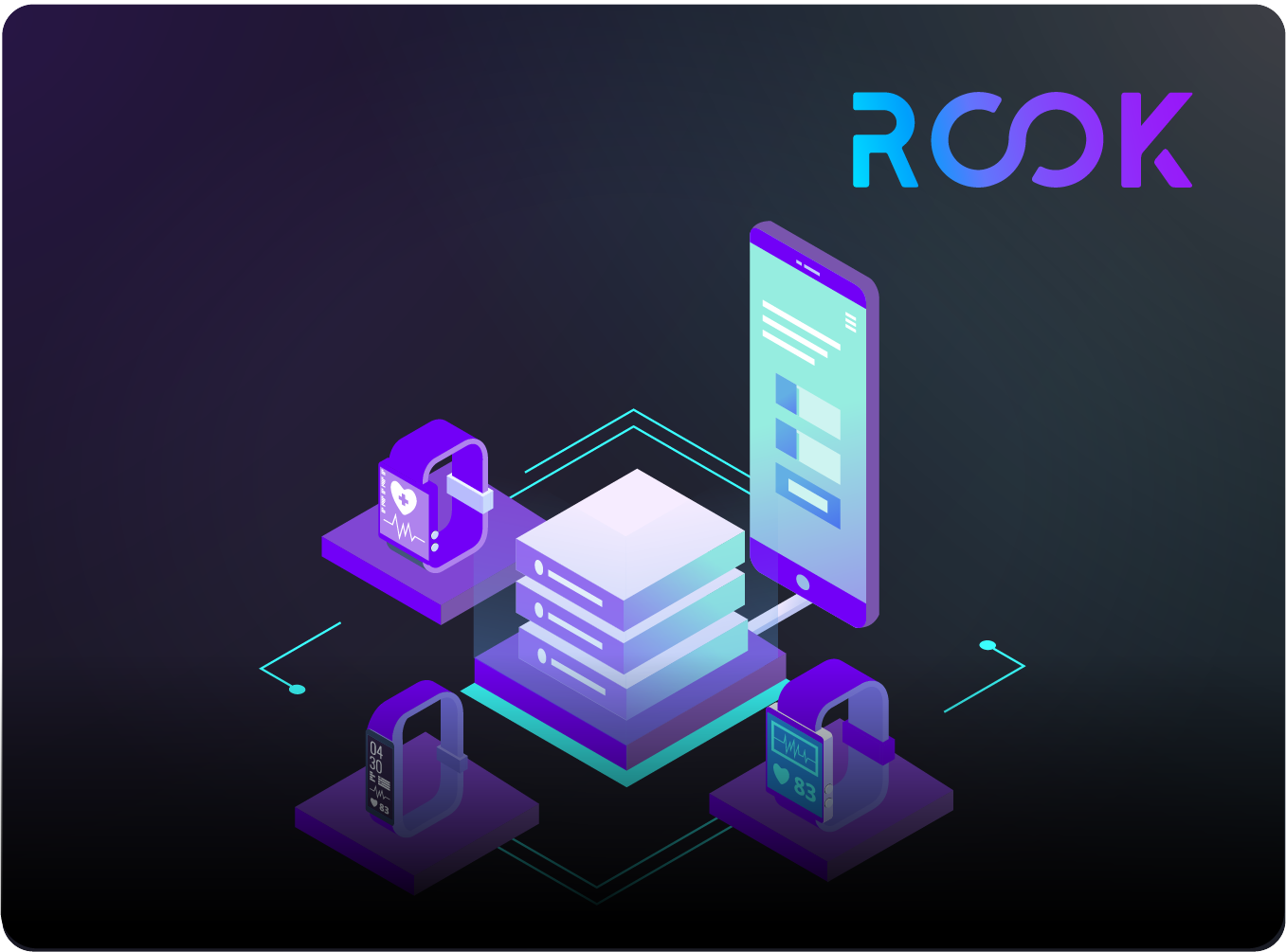
Why the ACCESS Model Needs Standardized Wearable Data
The ACCESS model needs clean, standardized wearable data to scale patient monitoring, improve reporting, and turn fragmented health signals into actionable insights.