
From Fitness to Performance: Wearables as a Tool for Athlete Optimization

Wearable technology is no longer limited to counting steps or tracking calories. Professional and amateur athletes now use smartwatches, fitness trackers, smart rings, chest straps, and performance sensors to better understand training load, recovery, sleep, and physical performance.
Wearables can help athletes and coaches answer important questions:
Is the athlete responding well to the current training load?
Is recovery sufficient between sessions?
Are sleep patterns affecting performance?
Is the training program producing consistent progress?
Are there changes that require further evaluation?
However, collecting more data does not automatically improve athletic performance. The information must be accurate, interpreted within the athlete’s individual context, and evaluated alongside coaching expertise and other performance assessments.
ROOK helps companies integrate and standardize data from multiple wearable sources, providing the health data infrastructure needed to build personalized training, recovery, and athlete monitoring experiences.
How are wearables used in athlete performance optimization?
Wearables collect physiological, behavioral, and movement-related data during training and recovery.
Depending on the device and sport, athletes may track:
Heart rate
Resting heart rate
Heart rate variability
Calories and energy expenditure
Training duration
Distance
Speed and pace
Cadence
Power
Elevation
Sleep duration and consistency
Movement and acceleration
Recovery indicators
This information can help coaches and athletes evaluate how the body responds to training over time.
Wearables should not be treated as a replacement for coaching, clinical evaluation, biomechanics assessments, or the athlete’s own feedback. Their greatest value comes from combining objective data with personal context and professional judgment.
How does real-time wearable monitoring improve athletic performance?
Wearable devices can provide live, near-real-time, or post-activity information depending on the device, metric, and provider.
Common performance metrics include:
Heart rate
Heart rate can help estimate exercise intensity and understand how the cardiovascular system responds to a workout.
Coaches may use heart rate zones to structure endurance sessions, recovery workouts, and high-intensity training. However, heart rate can also be influenced by temperature, hydration, stress, medication, illness, and fatigue.
Heart rate variability
Heart rate variability, or HRV, measures variation in the time between heartbeats. When measured consistently under similar conditions, HRV can contribute to a broader understanding of recovery and physiological stress.
A single low HRV reading does not confirm overtraining, fatigue, or illness. It should be evaluated against the athlete’s personal baseline and alongside sleep, training load, subjective wellbeing, and other relevant indicators.
Calories and energy expenditure
Wearables can estimate energy expenditure during physical activity. These estimates may help athletes understand general workload patterns, but they should not be considered exact measurements of calories burned.
Distance, speed, and pace
These metrics are particularly useful in endurance sports such as running, cycling, and swimming. They can help athletes evaluate consistency, progression, and performance across training sessions.
Cadence, power, movement, and acceleration
More specialized devices can collect information about movement patterns, impact, power output, and technique.
Research indicates that wearable sensors may support biomechanical assessment, rehabilitation monitoring, and injury-risk evaluation. However, methodological differences and accuracy limitations still need to be considered. Wearable data should complement established sports medicine and coaching practices rather than replace them.
Can wearables help prevent sports injuries?
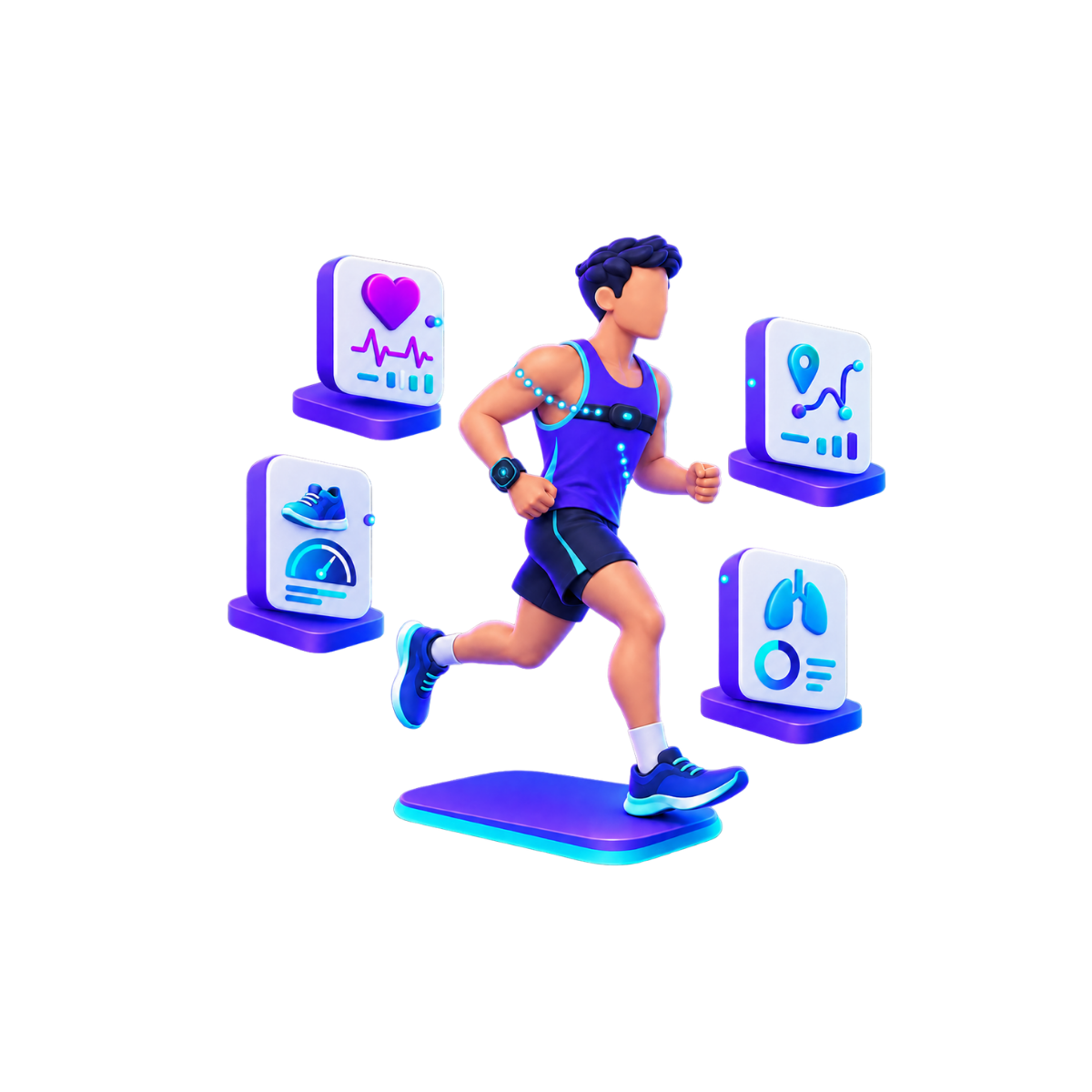
Wearables cannot guarantee injury prevention, but they can support training-load management and help coaches identify patterns that may require attention.
Injury risk is influenced by many factors, including:
Training volume
Training intensity
Exercise technique
Previous injuries
Recovery time
Sleep
Nutrition
Strength and mobility
Competition schedules
Environmental conditions
Wearable data may help teams monitor:
Workout duration and frequency
Heart rate response
Activity volume
Distance and pace
Power and cadence
Rest and recovery periods
Sleep duration
Changes from an athlete’s baseline
A sudden increase in workload or a sustained decline across several recovery indicators may justify reviewing the training plan. However, these signals do not prove that an injury will occur.
The American College of Sports Medicine emphasizes a multidisciplinary approach to athlete health and performance, combining technology with appropriate training, rest, nutrition, healthcare, and professional support.
How do sleep and recovery affect athletic performance?
Recovery is a fundamental part of athletic development. Training creates physical stress, while recovery allows the body to adapt to that stress.
Sleep supports processes related to:
Physical recovery
Cognitive performance
Reaction time
Decision-making
Mood
Stress regulation
Training readiness
Wearables can help track sleep duration, timing, consistency, and device-generated sleep stages. However, consumer wearable sleep stages are estimates and may differ between devices.
The most useful approach is to evaluate sleep patterns over time rather than rely on a single sleep or recovery score.
A coach or digital product could combine:
Sleep duration and consistency
Resting heart rate
HRV trends
Recent activity
Training volume
Subjective fatigue
Athlete feedback
This creates a more complete view of recovery than any individual metric can provide.
The ROOKScore 2.0 framework organizes selected health information into Physical Health, Sleep Health, and Body Health pillars, providing companies with a structured way to work with different dimensions of user health.
How can wearable data support personalized training?
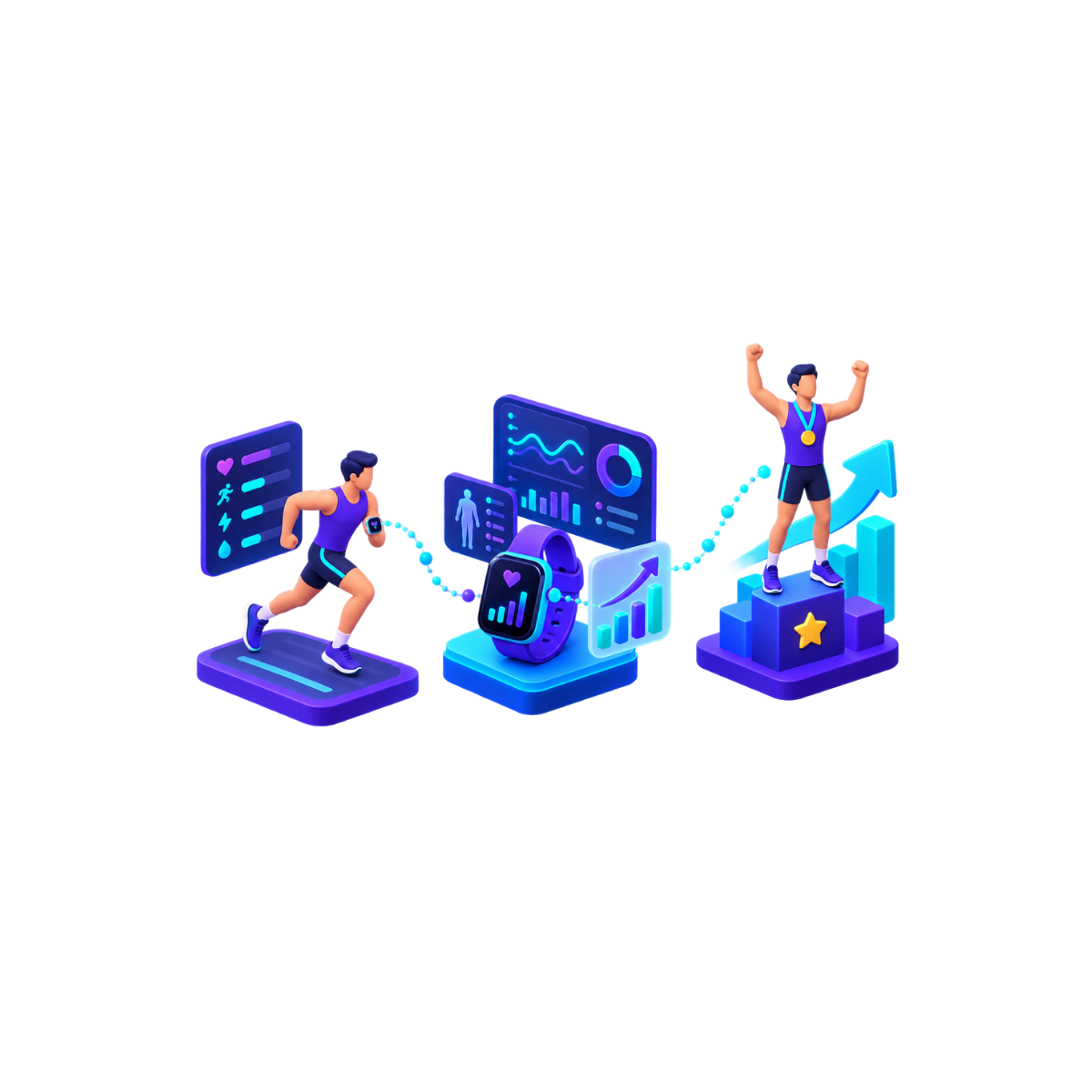
Every athlete responds differently to exercise. The same training plan can produce different results depending on fitness level, experience, recovery, sleep, nutrition, and individual physiology.
Wearable data can support more personalized training by helping coaches evaluate:
Response to training intensity
Workout duration and frequency
Performance progression
Recovery between sessions
Sleep consistency
Changes from personal baselines
Long-term behavioral patterns
Using this information, coaches may adjust:
Training intensity
Session duration
Recovery periods
Weekly workload
Exercise selection
Performance goals
These decisions should not be made from one wearable score alone. Personalized training works best when device data is combined with coaching expertise, athlete feedback, performance testing, and relevant medical guidance.
Why is athlete wearable data difficult to integrate?
Athletes may use different devices depending on their sport, preferences, and training goals.
Data may come from:
Apple Health
Health Connect
Garmin
Fitbit
Oura
WHOOP
Polar
Withings
Other connected devices and sensors
Organizations can review the health data sources supported by ROOK to understand the wearable ecosystems available for integration.
Each provider may:
Use a different authorization process
Apply different metric definitions
Structure data differently
Deliver information at different frequencies
Use proprietary algorithms
Provide different historical-data ranges
Apply different units and timestamps
For a coach working with a small group of athletes, this fragmentation may be inconvenient. For a fitness platform, sports organization, or digital coaching product serving thousands of users, it becomes an infrastructure problem.
How does ROOK support wearable data for athletes?
ROOK helps companies connect, standardize, and deliver health data from multiple wearable sources through unified infrastructure.
Instead of building and maintaining a separate integration for every device, teams can use ROOK Connect to manage authorization, extraction, processing, normalization, and data delivery.
ROOK helps organizations:
Connect multiple wearable ecosystems
Normalize provider-specific data
Access structured physical, sleep, and body information
Deliver data through APIs, SDKs, and webhooks
Reduce integration and maintenance work
Scale athlete monitoring across different devices
Build personalized performance and recovery experiences
ROOK does not independently diagnose injuries, confirm overtraining, or prescribe training plans. It provides the standardized data foundation that companies can use to develop their own analytics, alert systems, recommendations, and athlete experiences.
Companies can explore ROOK’s fitness, wellness, and health data use cases to understand how standardized wearable data can support different products and industries.
What are the benefits of standardized athlete data?
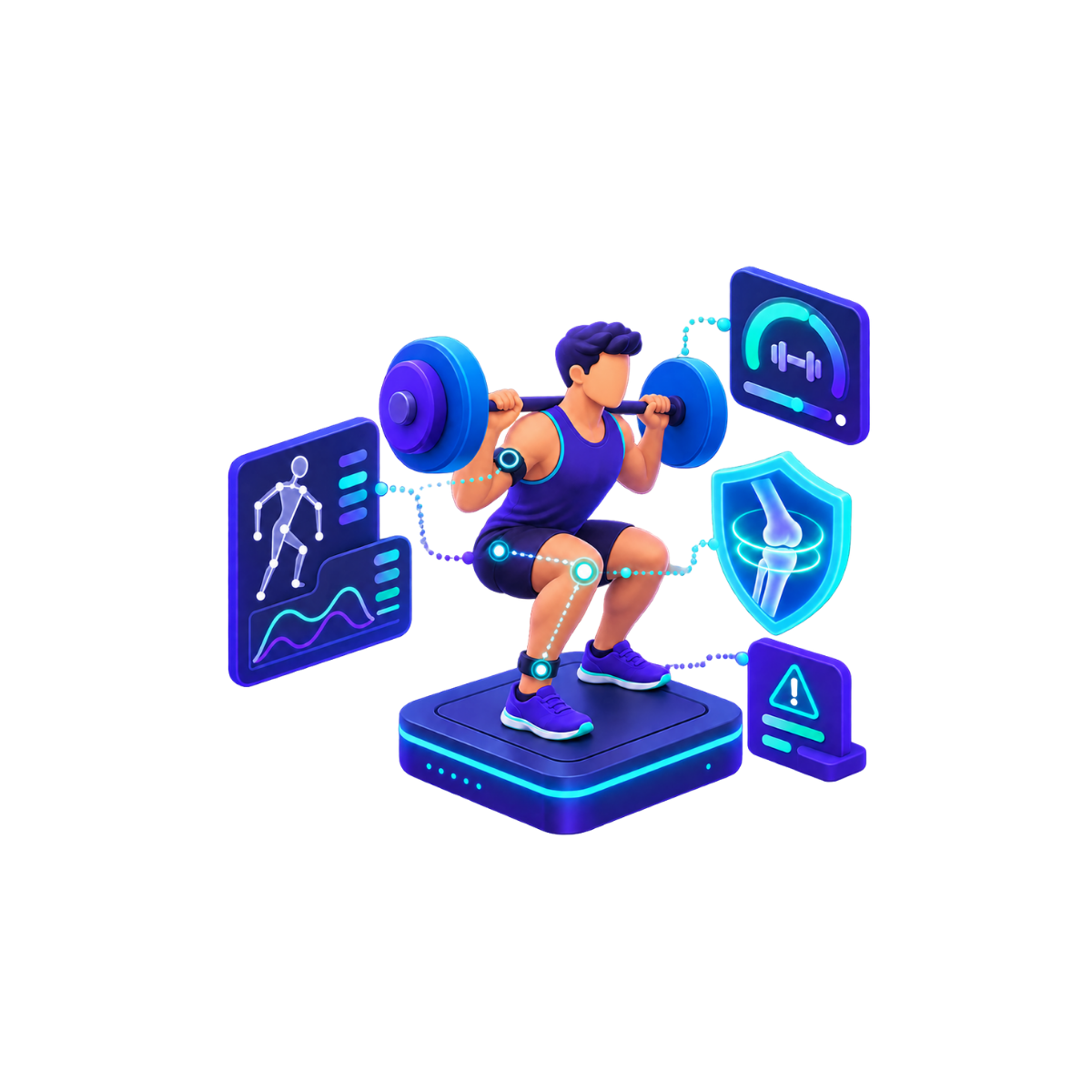
Standardization makes it easier to work with information from athletes who use different devices.
A unified wearable data layer can help companies:
Compare equivalent metrics across providers
Analyze training and recovery trends
Create consistent dashboards
Build personalized recommendations
Monitor program participation
Develop performance scores
Train analytical or AI models
Scale without maintaining every integration separately
Standardized data does not eliminate every difference between devices. Proprietary metrics, sensor quality, algorithms, and data availability may still vary.
However, it provides a consistent structure that makes multi-device data easier to manage and use.
What is the future of wearables in sports performance?
The future of athlete optimization is not only about collecting more metrics. It is about connecting training, sleep, recovery, and performance data in a way that supports better decisions.
Wearable technology may continue to improve:
Training-load monitoring
Recovery assessment
Biomechanical analysis
Remote coaching
Rehabilitation tracking
Personalized training
Long-term athlete development
The strongest athlete monitoring systems will combine wearable data with human expertise. Coaches, sports scientists, medical professionals, and athletes must still determine what the information means and how it should influence training.
ROOK’s Podcast & Media hub offers additional conversations about wearable technology, fitness data, and the future of health and performance products.
Conclusion
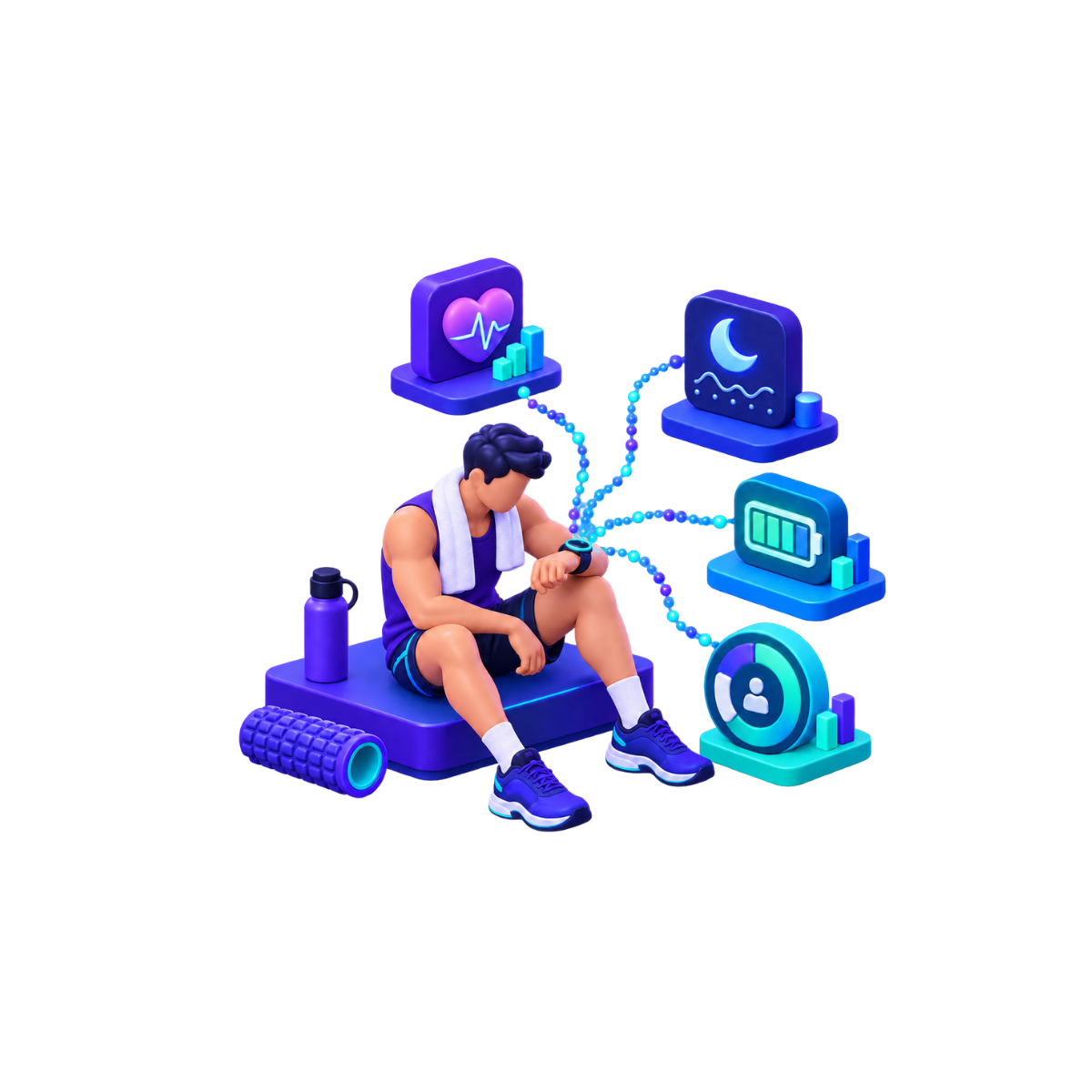
Wearables are changing how athletes train, recover, and evaluate performance.
They can provide useful information about heart rate, physical activity, sleep, movement, and workload. However, no individual metric can fully explain an athlete’s readiness, injury risk, or potential.
The value of wearable technology comes from combining:
Reliable data
Personal baselines
Long-term trends
Athlete feedback
Coaching expertise
Appropriate health and performance assessments
ROOK helps companies integrate and standardize wearable data across multiple devices, creating the infrastructure needed to build scalable athlete performance, fitness, and recovery products.
The next stage of sports technology is not simply fitness tracking. It is transforming fragmented wearable data into information that athletes and coaches can use.
