
Wearables and Their Impact on Community Health Management: Collective Monitoring to Improve Public Health

Wearable devices are becoming valuable tools for both personal health tracking and population health monitoring. Smartwatches, fitness trackers, smart rings, glucose monitors, and other connected devices can generate longitudinal data about physical activity, sleep, heart rate, and other health-related signals.
When this information is aggregated, standardized, de-identified, and analyzed responsibly, it can help researchers, healthcare organizations, employers, and public health institutions understand health trends across communities.
The World Health Organization is already exploring how wearable technology can be incorporated into population health monitoring systems, particularly for measuring physical activity and sedentary behavior. However, wearable data must complement—not replace—clinical data, surveys, public health surveillance, and professional judgment.
Platforms such as ROOK can support these initiatives by helping organizations integrate and standardize health data from multiple wearable sources, creating a more consistent foundation for population health analytics and community health programs.
What is wearable-based community health monitoring?
Wearable-based community health monitoring is the use of aggregated data from connected devices to understand health behaviors and patterns across groups of people.
Depending on the device and available permissions, wearable health data may include:
Physical activity and step counts
Sleep duration and sleep patterns
Heart rate and heart rate variability
Blood oxygen saturation
Respiratory rate
Body temperature
Glucose measurements
Workout and recovery information
At the individual level, these metrics can help users understand their daily behavior. At the community level, aggregated data can help organizations identify broader patterns, evaluate wellness initiatives, and design more targeted health interventions.
This does not mean that every wearable produces clinical-grade information. Data quality, device accuracy, user behavior, demographic representation, and measurement methods must all be considered before drawing conclusions.
How can wearables support public health?
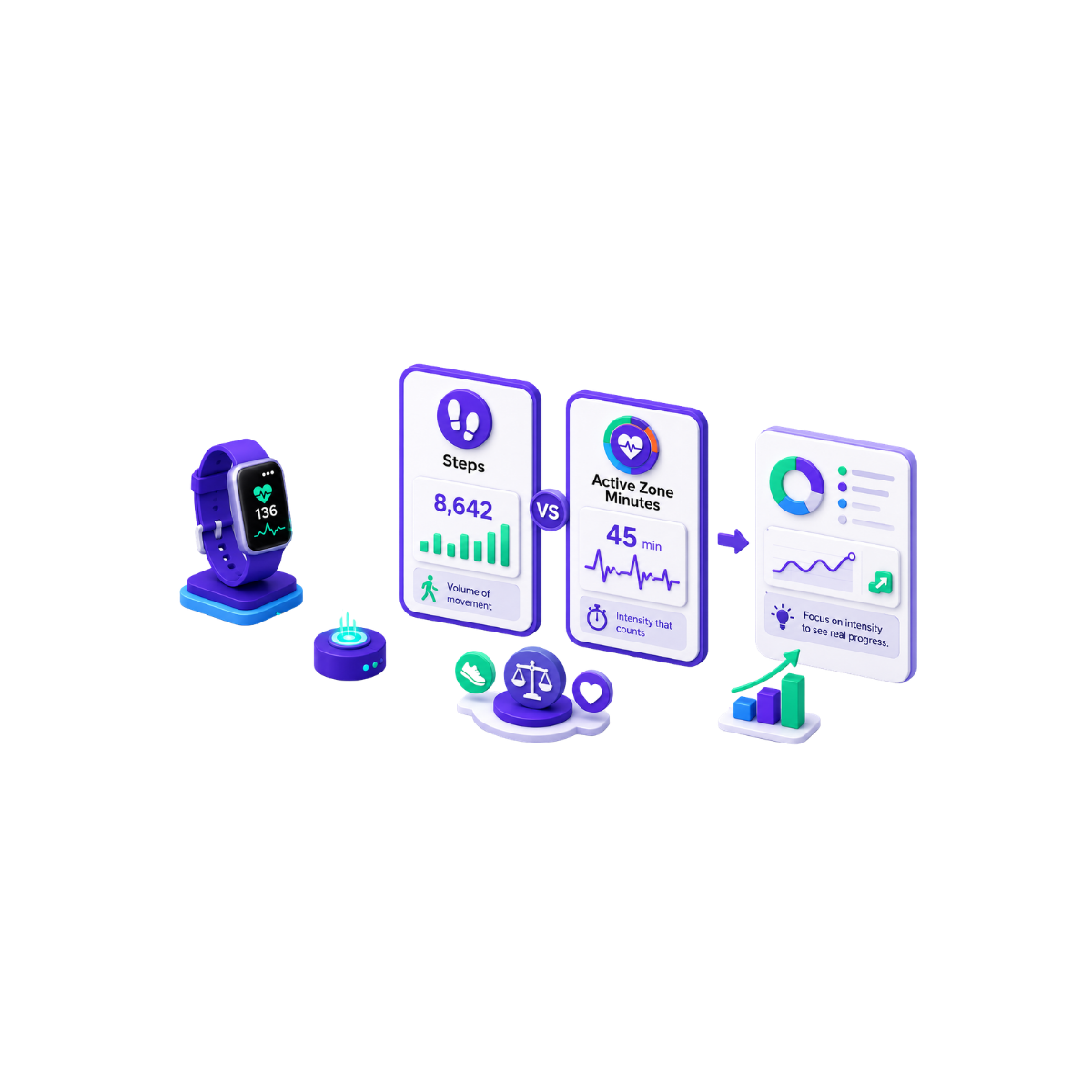
Wearables can provide longitudinal information about how people move, sleep, exercise, and engage with health programs outside traditional healthcare environments.
This information may help public health and research teams:
Measure physical activity and sedentary behavior
Identify changes in population-level health behaviors
Evaluate participation in community wellness programs
Understand differences between demographic or geographic groups
Support research into chronic disease risk factors
Measure the impact of preventive health initiatives
Complement surveys and other population health data
For example, aggregated physical activity data could help an organization understand whether a community wellness program is increasing daily movement. Sleep and recovery patterns could also provide additional context for research into wellbeing, workplace health, or behavioral change.
Wearable data should be treated as one component of a broader evidence system—not as a complete representation of community health.
The power of collective health monitoring
Traditional population health research often depends on surveys, clinical visits, and periodic assessments. These methods remain essential, but they may provide only a limited view of what happens between evaluations.
Wearable devices can add continuous or recurring information about everyday behaviors. This makes it possible to analyze:
Changes over time
Differences between groups
Program participation
Activity and sleep patterns
Behavioral consistency
Responses to health interventions
The value of collective monitoring does not come from tracking individuals without context. It comes from analyzing properly governed, aggregated data to answer specific public health or research questions.
Successful programs must also address:
User consent
Data privacy
Security
Data minimization
Representativeness
Algorithmic bias
Device accuracy
Regulatory requirements
Without these safeguards, a large wearable dataset may still produce incomplete or misleading conclusions.
How can wearable data support chronic disease prevention?
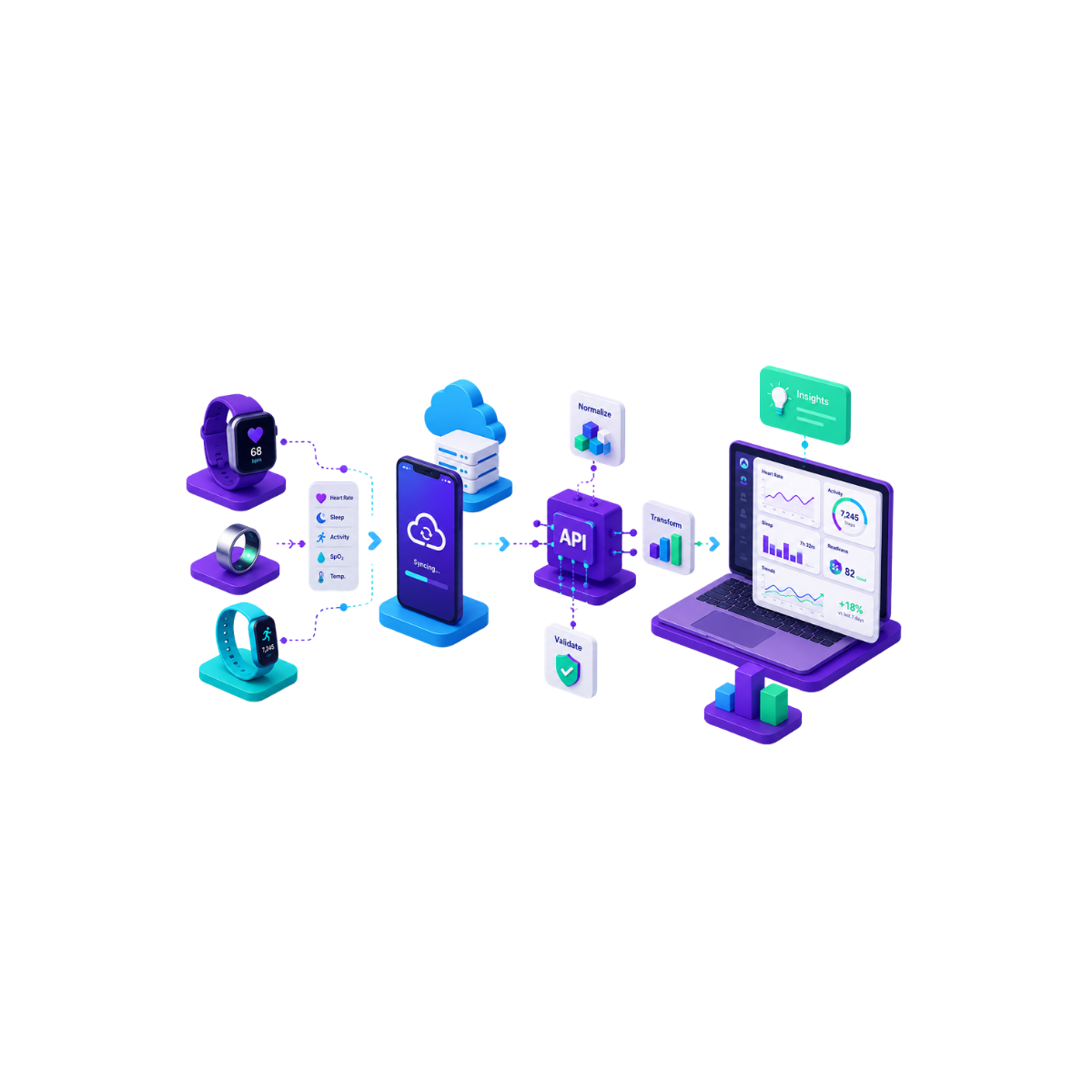
Wearable data can help researchers and health organizations study behaviors associated with chronic disease risk, including physical inactivity, inconsistent sleep, and changes in cardiovascular indicators.
Potential applications include:
Monitoring participation in physical activity programs
Measuring progress toward activity goals
Identifying changes in daily movement
Studying sleep and recovery patterns
Supporting preventive health education
Evaluating community wellness interventions
Wearables do not diagnose hypertension, diabetes, cardiovascular disease, or other chronic conditions unless a specific device and use have received the appropriate regulatory authorization.
Instead, wearable information can complement clinical measurements and help organizations understand behavioral patterns that may inform prevention programs.
Can wearables detect disease outbreaks?
Wearable data may contribute signals to research or public health surveillance, but consumer wearables cannot independently confirm or diagnose a disease outbreak.
Changes in resting heart rate, temperature, sleep, respiration, or activity could have many explanations. These signals require validation against clinical, laboratory, epidemiological, and other public health data.
When used responsibly, aggregated wearable data may help organizations:
Observe unusual changes across a population
Generate hypotheses for further investigation
Support research into early-warning models
Complement established surveillance systems
Allocate analytical attention to emerging patterns
Public health actions—such as issuing alerts, distributing medical resources, or implementing community interventions—should not be based solely on consumer wearable data.
How can wearables promote healthier community habits?
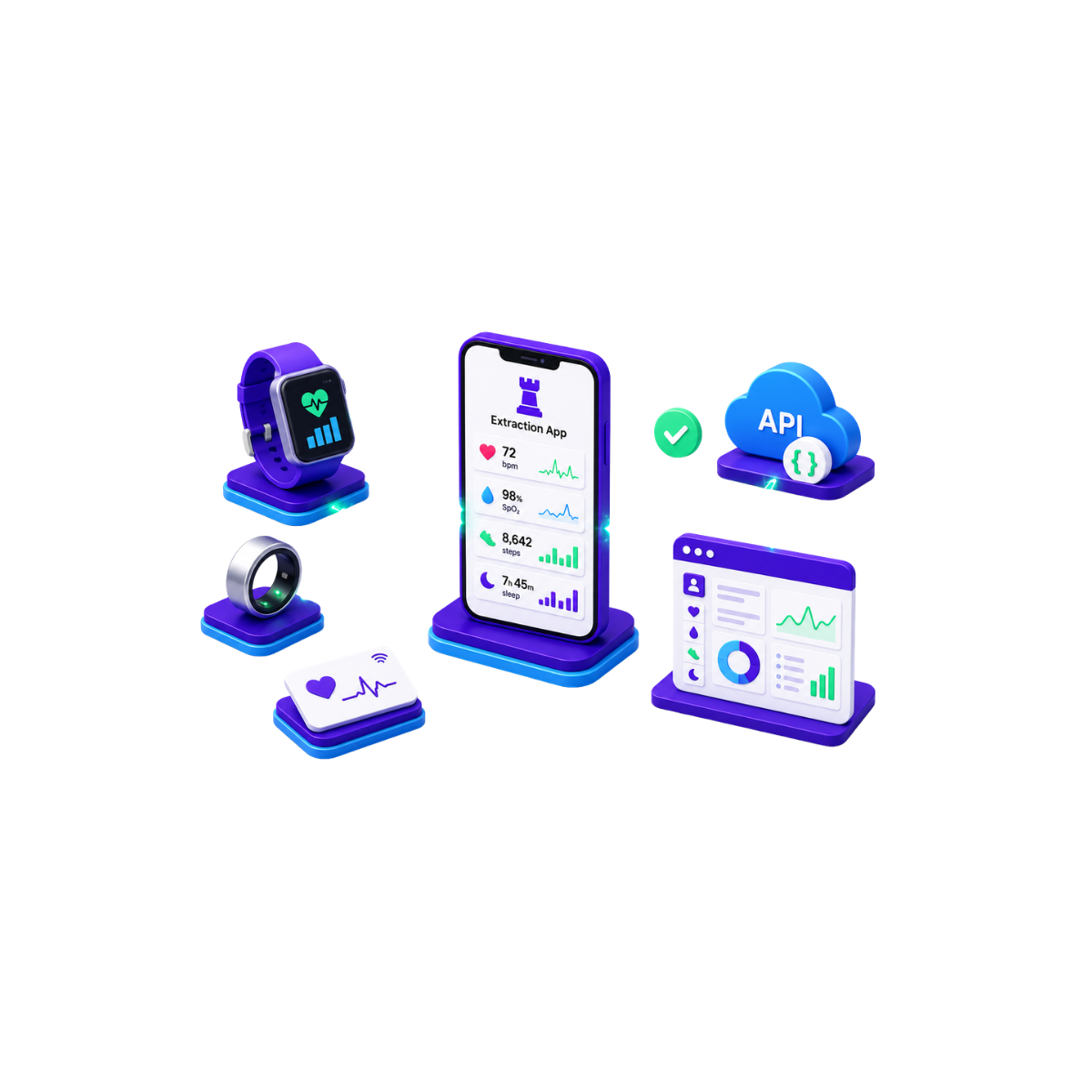
Wearables can also support community education and behavior-change programs by providing users with feedback about daily activities.
Potential applications include:
Community physical activity programs
Step counts and activity data can help organizations design walking challenges, workplace wellness initiatives, or community exercise programs.
Aggregated results can be used to evaluate participation and understand whether a program is contributing to sustained changes in physical activity.
Sleep and recovery education
Sleep duration and consistency data can support educational initiatives about recovery, rest, and healthy routines.
Personalized wellness experiences
Organizations can adapt recommendations, goals, and educational content according to user behavior—provided that personalization is transparent, appropriate, and based on reliable information.
Program engagement
Wearable data can help measure whether participants are actively engaging with a wellness initiative over time, rather than relying exclusively on self-reported participation.
ROOK’s health data use cases across healthcare, fitness, wellness, insurance, and other industries show how connected health information can support different types of programs and product experiences.
Why is community wearable data difficult to manage?
One of the greatest challenges in population health monitoring is combining information from different devices and platforms.
Wearable data may come from:
Apple Health
Health Connect
Garmin
Fitbit
Oura
WHOOP
Polar
Withings
Connected medical and wellness devices
Organizations can review the health data sources supported by ROOK to understand the variety of ecosystems that may contribute information.
Each provider may use different:
Data structures
Authorization processes
Metric definitions
Measurement units
Synchronization frequencies
Historical-data limits
Algorithms
Quality controls
A step count, sleep score, or recovery metric from one provider may not be directly comparable to the equivalent metric from another provider.
Without standardization, organizations may struggle to combine datasets, identify reliable trends, or scale a community health program across multiple devices.
What role does ROOK play in community health management?
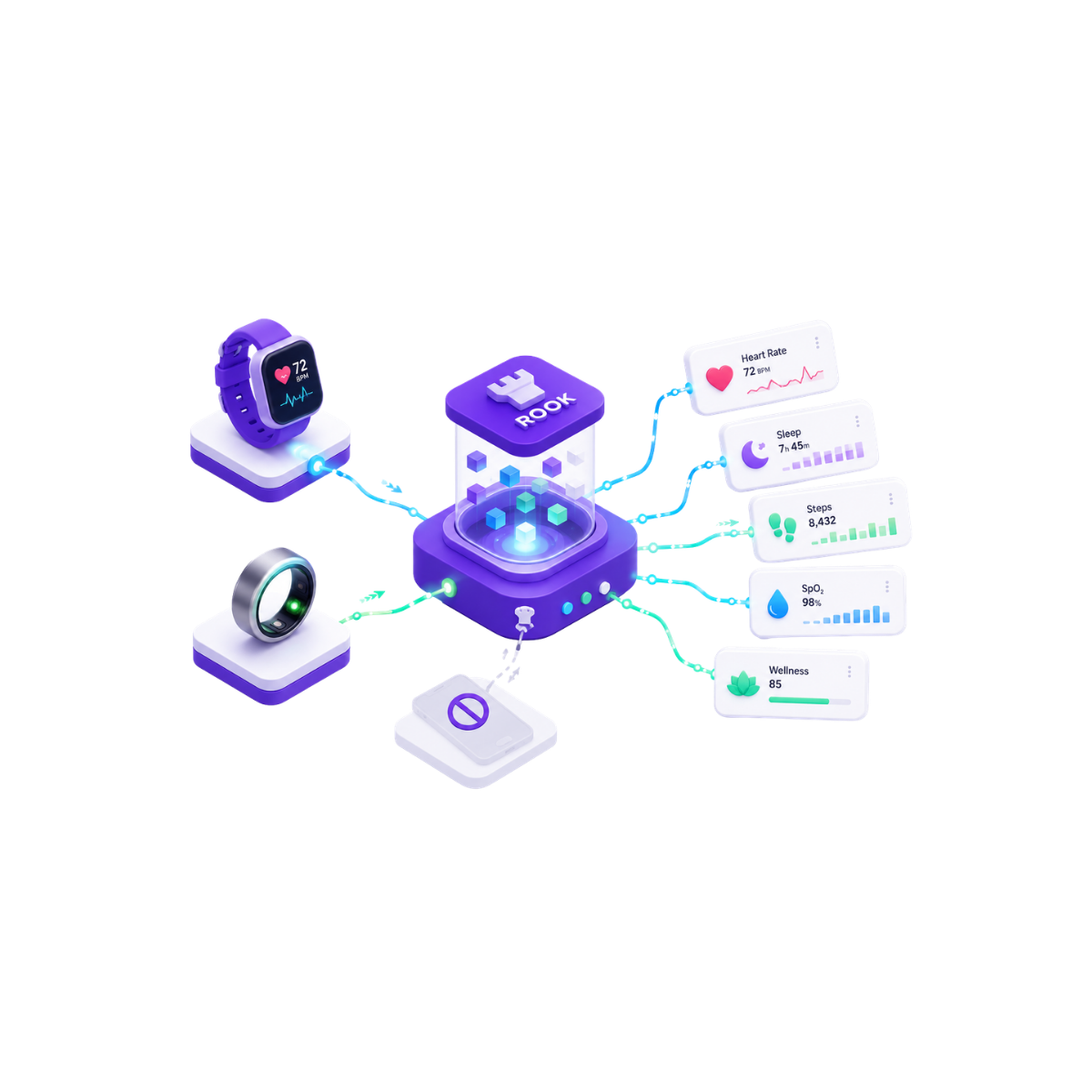
ROOK is a health data platform that helps organizations connect and standardize information from multiple wearable devices and health data sources.
Through ROOK Connect, organizations can authorize, extract, process, normalize, and deliver health data using unified infrastructure. This reduces the need to build and maintain a separate integration for every provider.
ROOK can help teams:
Connect multiple wearable ecosystems
Normalize fragmented data structures
Organize health information into consistent formats
Deliver data through APIs, SDKs, and webhooks
Reduce provider-specific integration work
Build scalable population health analytics
Develop community wellness and prevention programs
ROOK does not independently diagnose diseases, identify outbreaks, or determine public health policy. It provides the standardized data infrastructure organizations need to conduct their own analysis and build appropriate monitoring systems.
How can standardized wearable data improve decision-making?
Standardized data makes it easier to evaluate the same categories of information across different wearable sources.
For community health programs, this can help organizations:
Compare activity patterns across participating groups
Track changes over weeks or months
Evaluate the adoption of wellness initiatives
Build dashboards and population-level reports
Develop clearly defined alerts or interventions
Support research and predictive models
Measure program outcomes
The ROOKScore 2.0 framework is one example of how selected health information can be organized into Physical Health, Sleep Health, and Body Health pillars.
However, scores and algorithms should be used carefully at the population level. Organizations must consider missing data, selection bias, device differences, demographic representation, and whether a model has been validated for its intended purpose.
What are the limitations of wearables in public health?
Wearables offer important opportunities, but they also have limitations:
Not everyone owns or consistently wears a device.
Some populations may be underrepresented.
Consumer devices vary in accuracy.
Proprietary algorithms may calculate metrics differently.
Users may grant different data permissions.
Missing or delayed information can affect analysis.
A wearable signal may not have a clinical interpretation.
Privacy and consent requirements may limit how data can be used.
These limitations mean that wearable data should complement established public health methods rather than replace them.
The most reliable approach combines wearable information with clinical records, surveys, laboratory results, demographic context, and validated public health data when those sources are legally and ethically available.
The future of wearables in population health
As connected devices evolve, public health and research organizations may gain access to a broader range of health-related signals.
Future applications may include:
More detailed physical activity surveillance
Remote participation in health studies
Continuous evaluation of wellness programs
Personalized preventive health initiatives
Improved measurement of behavioral risk factors
More responsive community health interventions
The greatest opportunity is not simply collecting more data. It is creating trustworthy systems that can transform fragmented information into consistent, privacy-conscious, and useful evidence.
ROOK’s Podcast & Media resources provide additional conversations about wearable technology, health data infrastructure, and the future of connected health.
Conclusion
Wearable devices have the potential to improve community health management by providing longitudinal information about physical activity, sleep, recovery, and other health-related behaviors.
When this information is aggregated and governed responsibly, it can help organizations evaluate community programs, study population health patterns, and design more informed preventive initiatives.
However, wearables are not standalone diagnostic or public health surveillance systems. Their value depends on data quality, standardization, representativeness, privacy safeguards, and appropriate interpretation.
By integrating data from multiple sources through a consistent infrastructure, ROOK can help healthcare organizations, researchers, employers, and public health teams build more scalable and informed community health programs.
The future of population health monitoring will not depend only on how much data organizations collect. It will depend on whether that data is trustworthy, comparable, secure, and useful.
