
Wearables for Mental Health: How Health Data Can Support Emotional Wellbeing
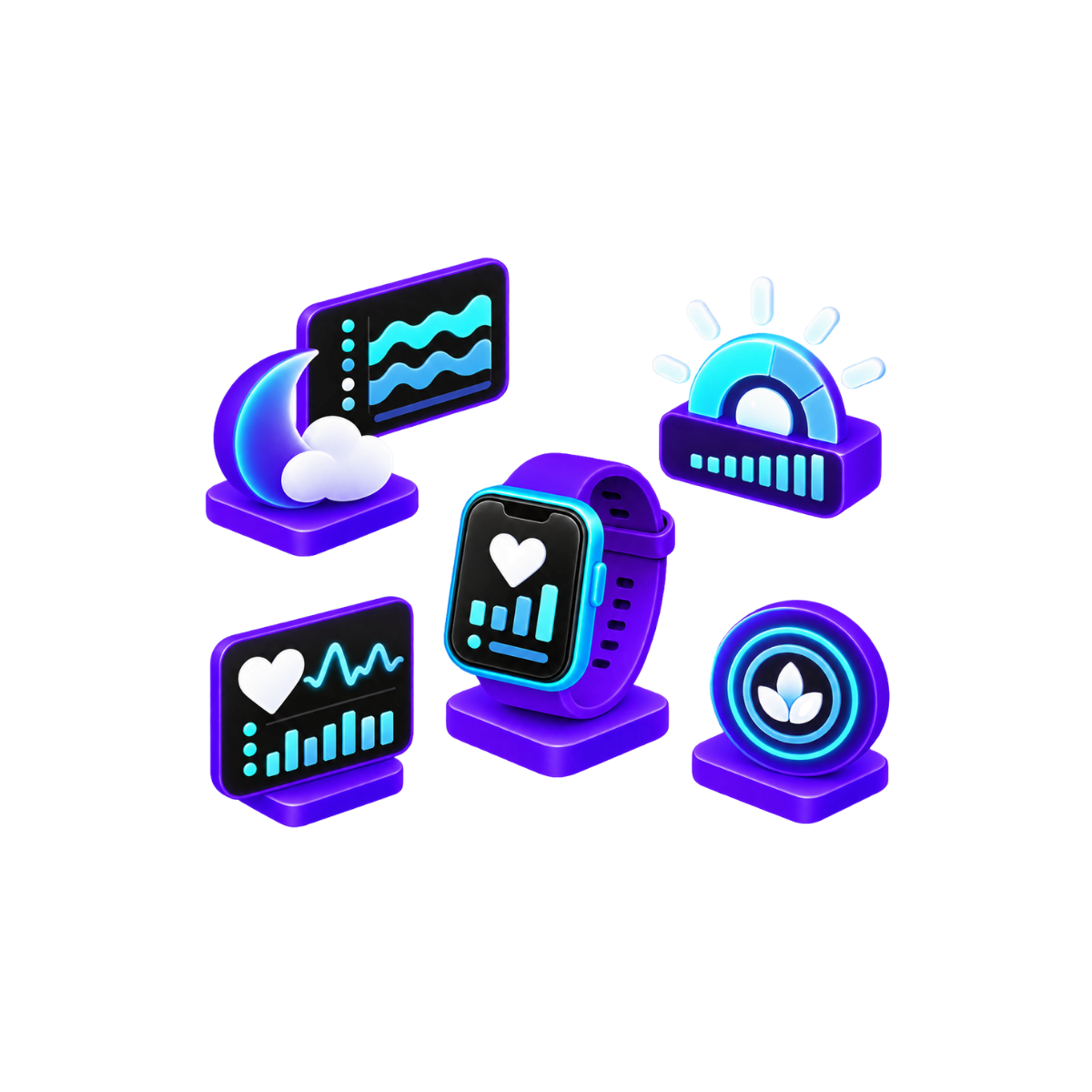
Wearable devices are changing how health and wellness applications understand daily behavior. Smartwatches, fitness trackers, smart rings, and other connected sensors can collect information about sleep, physical activity, heart rate, and physiological changes throughout the day.
These metrics do not directly measure emotions or diagnose mental health conditions. However, when analyzed responsibly and combined with user-reported information, they may provide useful context about stress, recovery, routines, and behavioral changes.
For mental health, wellness, and digital health companies, the challenge is not simply collecting more wearable data. It is integrating that information across multiple devices, standardizing it, protecting sensitive data, and transforming it into appropriate product experiences.
ROOK helps companies connect and standardize health data from multiple wearable sources, providing infrastructure for building scalable wellness, research, and mental health support applications.
Can wearables monitor mental health?
Wearables cannot directly determine whether a person has anxiety, depression, burnout, or another mental health condition.
They can collect physiological and behavioral signals that may be associated with changes in wellbeing, including:
Heart rate
Heart rate variability
Sleep duration and consistency
Physical activity
Resting heart rate
Respiratory rate
Body temperature
Device-generated stress indicators
These measurements can help identify changes from a person’s usual patterns. For example, changes in sleep, activity, or resting heart rate may provide additional context when a user reports increased stress or lower wellbeing.
However, these signals are not specific to mental health. A change in HRV or sleep may also be influenced by exercise, illness, medication, caffeine, travel, hydration, or other factors.
Wearable data should therefore complement—not replace—clinical assessments, validated questionnaires, user feedback, and professional mental health care.
How can wearable data support emotional wellbeing?
Wearable data can help users and digital health products observe behavioral patterns over time.
Potential applications include:
Tracking sleep consistency
Monitoring changes in physical activity
Supporting mindfulness and breathing routines
Identifying disruptions in daily habits
Measuring engagement with wellness programs
Providing reminders based on user-defined goals
Supporting research into behavior and mental health
The National Institute of Mental Health recognizes that wearable devices can help researchers monitor behavior quantitatively. It also highlights the need for standards for wearable data and metadata, because different manufacturers use different formats and measurement methods.
The value of wearable data comes from evaluating patterns—not making conclusions from a single measurement.
What wearable metrics may be relevant to mental wellbeing?
Heart rate and heart rate variability
Heart rate and HRV can provide information about autonomic nervous system activity and physiological stress.
A change in HRV may be relevant when compared with a person’s established baseline. However, low HRV alone does not confirm anxiety, chronic stress, burnout, or any mental health condition.
HRV should be interpreted alongside other information such as sleep, recent exercise, illness, medication, and subjective wellbeing.
Sleep patterns
Wearables can estimate:
Sleep duration
Sleep timing
Sleep consistency
Nighttime awakenings
Device-generated sleep stages
Sleep disturbances may accompany changes in emotional wellbeing, but wearable sleep data cannot diagnose depression, anxiety, insomnia, or another condition.
Consumer devices also estimate sleep differently, making standardization and context especially important.
Physical activity
Changes in movement, exercise, and routine may provide useful behavioral context. A sustained decline in activity could be relevant to a wellness application, but it is not proof of a mental health problem.
Device-generated stress scores
Some wearable providers calculate proprietary stress or recovery scores. These scores may be useful within the provider’s ecosystem, but they are based on different algorithms and should not be treated as universal clinical measures.
Companies can review the wearable and health data sources supported by ROOK to understand which providers and data types may be available for integration.
Why is wearable data difficult to use in mental health applications?
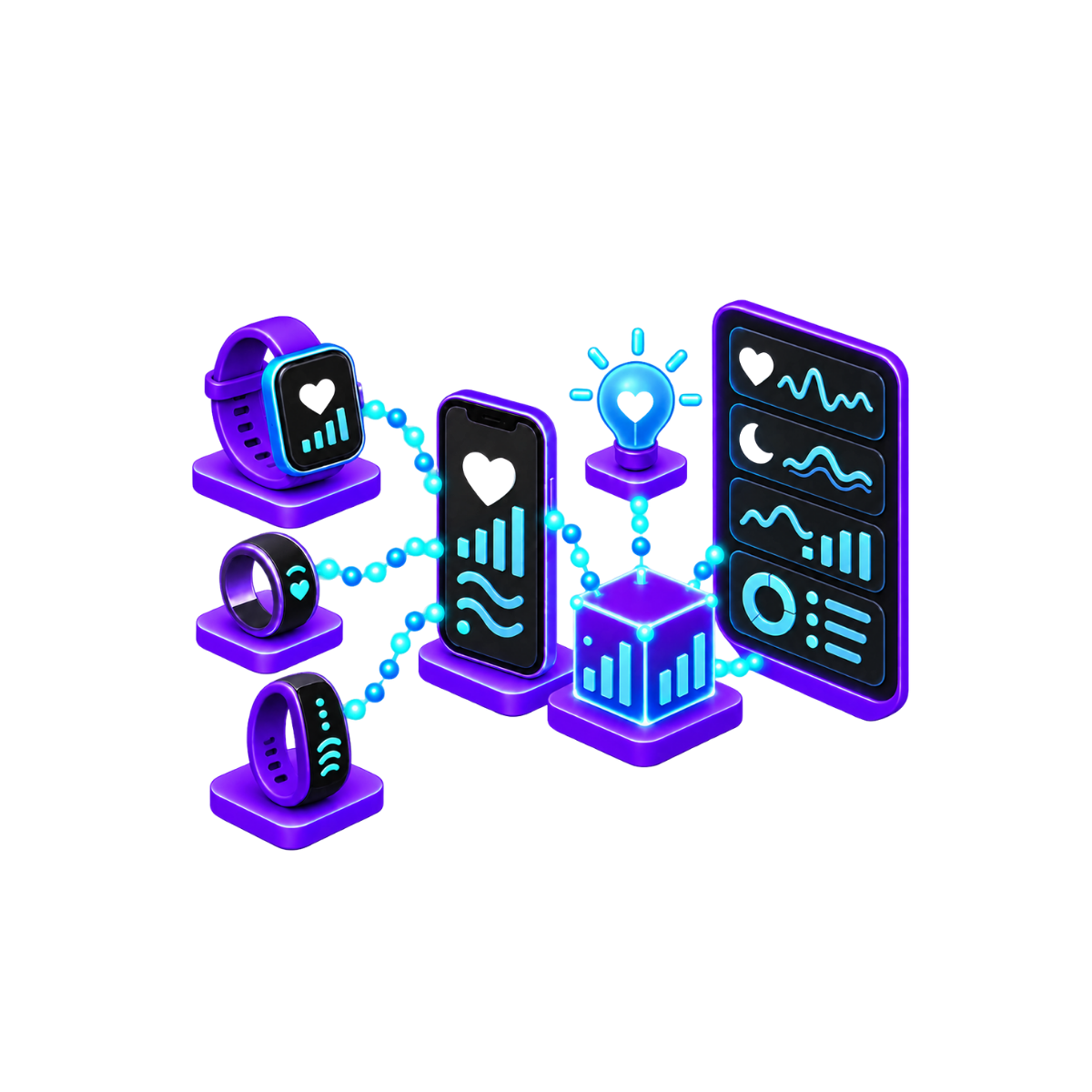
Mental health and wellness companies may need to combine data from:
Apple Health
Health Connect
Garmin
Fitbit
Oura
WHOOP
Polar
Withings
Other connected devices
Each provider may:
Structure information differently
Use different metric definitions
Apply proprietary algorithms
Collect data at different frequencies
Require separate authorization processes
Provide different historical-data ranges
Handle missing information differently
This fragmentation makes it difficult to build consistent experiences across devices.
A sleep score from one provider may not be equivalent to a sleep score from another. The same applies to stress, recovery, readiness, and activity metrics.
Before wearable information can support a scalable mental health or wellness product, it must be authorized, extracted, normalized, and delivered in a consistent structure.
What is ROOK’s role in mental health data integration?
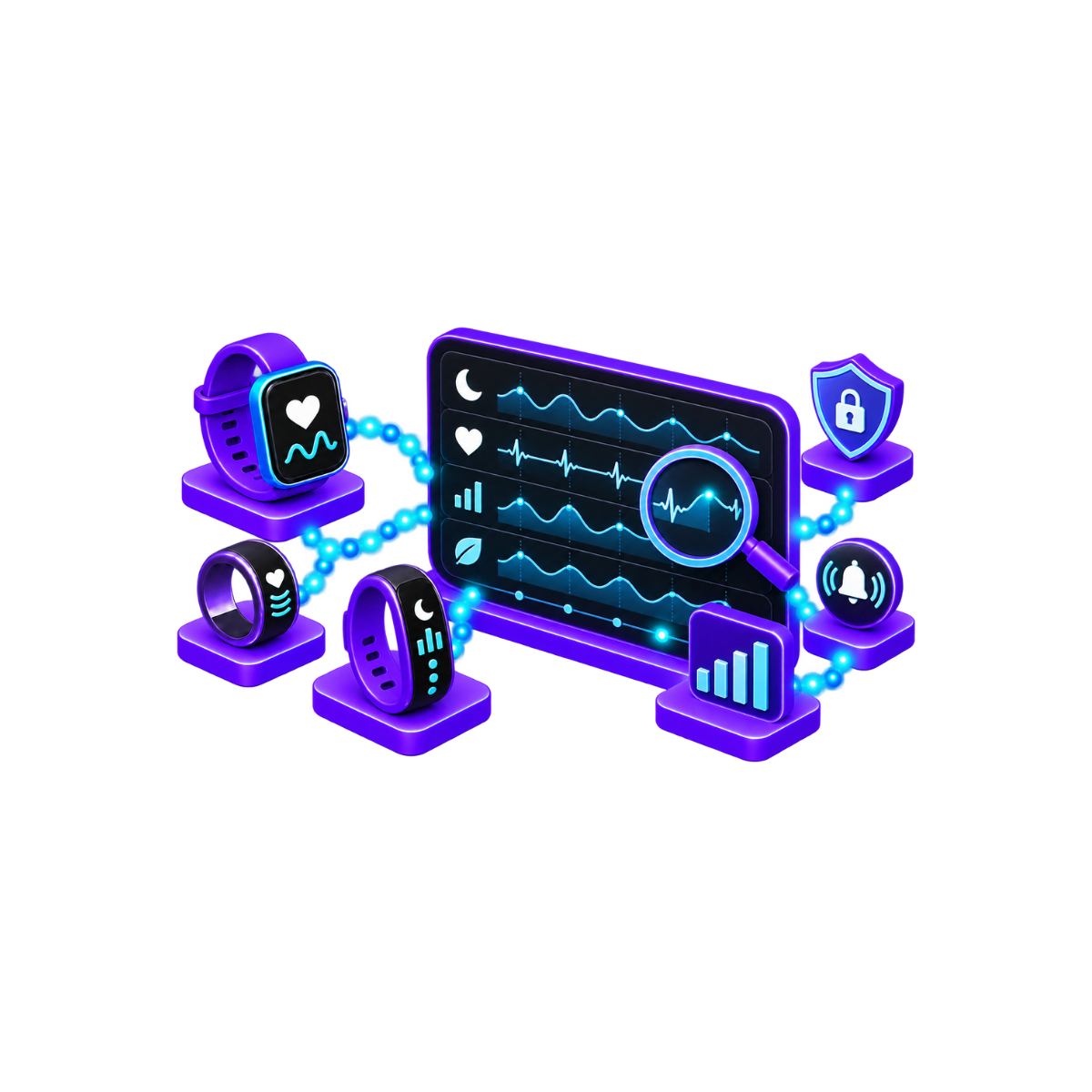
ROOK is a health data platform that helps companies connect and standardize information from multiple wearable sources.
Through ROOK Connect, product and engineering teams can manage health data authorization, extraction, processing, normalization, and delivery through unified infrastructure.
ROOK helps organizations:
Connect multiple wearable ecosystems
Reduce provider-specific integration work
Standardize fragmented health data
Access structured sleep, activity, and body information
Deliver data through APIs, SDKs, and webhooks
Build consistent multi-device experiences
Scale digital health and wellness products
ROOK does not diagnose mental health conditions, detect emotional states, or prescribe treatments. It provides the data infrastructure companies can use to build their own validated models, product logic, alerts, and user experiences.
Organizations can explore ROOK’s healthcare, wellness, and corporate wellness use cases to understand how standardized health data can support different applications.
How can wearable data support digital mental health tools?
Wearable data may help digital mental health and wellness products adapt experiences according to user behavior and preferences.
Potential applications include:
Reminders to complete a wellbeing check-in
Sleep and activity trend summaries
Personalized wellness goals
Mindfulness or breathing prompts
Progress tracking
Engagement measurement
Research into behavioral patterns
Support for clinician-reviewed remote monitoring
For example, a product could invite a user to complete a validated self-assessment after identifying a sustained change in sleep or activity.
However, a wearable signal alone should not automatically trigger a clinical conclusion. High-impact recommendations should be based on validated methods, clear consent, appropriate oversight, and the intended regulatory classification of the product.
Can wearables improve digital therapy?
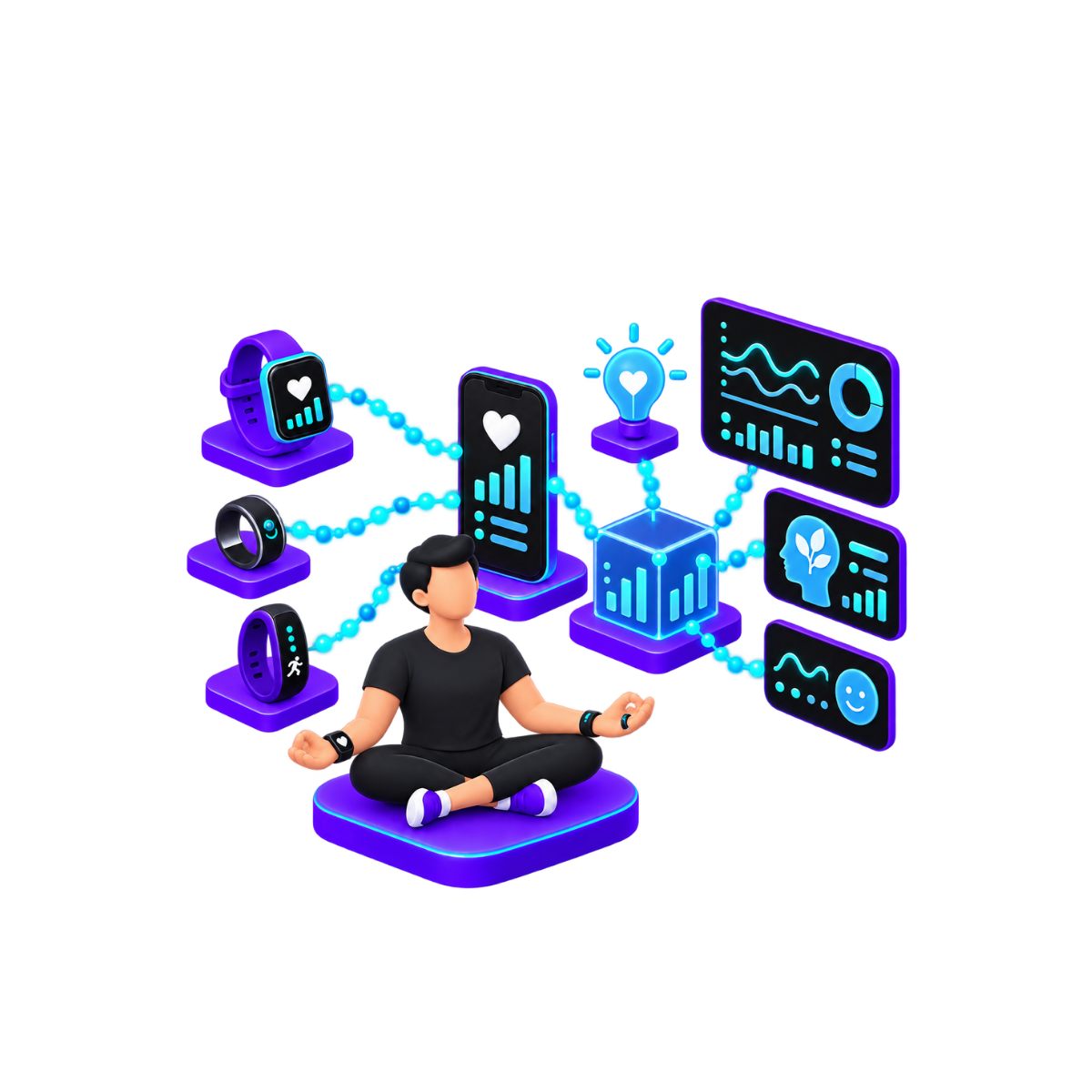
Wearable data may complement digital therapy by providing additional information between sessions, but it should not automatically modify treatment without appropriate clinical validation and oversight.
Possible applications include:
Sharing sleep or activity trends with a clinician
Supporting conversations about behavioral changes
Monitoring engagement with agreed wellness goals
Adding context to user-reported symptoms
Supporting research and measurement-based care
A cognitive behavioral therapy application, for example, might use wearable data to help a user reflect on relationships between sleep, activity, and mood.
The wearable data should support the therapeutic process—not replace the clinician, validated assessment tools, or the user’s own account of their experience.
How can companies use wearables in corporate wellness?
Wearable data can support voluntary corporate wellness programs focused on sleep, physical activity, recovery, and employee wellbeing.
Companies may use aggregated and appropriately de-identified data to:
Evaluate participation in wellness programs
Understand general activity or sleep trends
Design educational initiatives
Measure engagement
Improve access to wellbeing resources
Employers should not use wearable data to diagnose employees, identify individuals experiencing stress, evaluate job performance, or make employment decisions.
A responsible corporate wellness program should include:
Voluntary participation
Clear and informed consent
Defined data-use purposes
Data minimization
Strong access controls
Aggregated reporting
Appropriate retention periods
A clear separation between health data and employment decisions
Trust is essential. Employees must understand what information is collected, who can access it, and how it will be used.
How can clinicians use wearable data in psychological care?
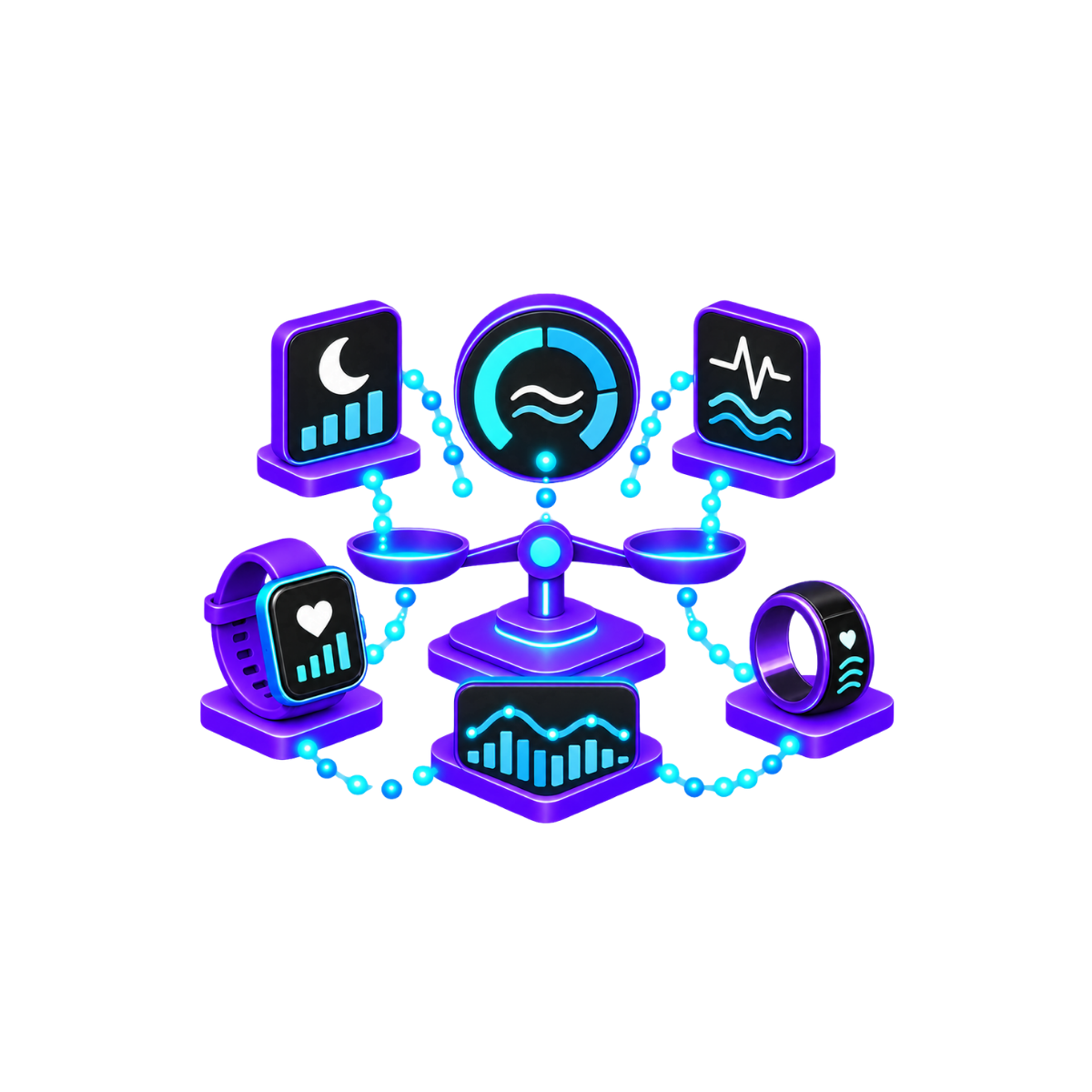
With user consent and appropriate clinical workflows, wearable data may provide mental health professionals with additional context between appointments.
Potential uses include:
Reviewing sleep patterns
Observing changes in physical activity
Discussing routine and behavioral consistency
Supporting remote monitoring programs
Evaluating progress toward agreed goals
Complementing validated mental health assessments
Wearable data should be presented as supporting information rather than a definitive measure of psychological health.
Clinical usefulness depends on the device, data quality, patient population, intended use, and whether the workflow has been appropriately validated.
Why are privacy and security essential for mental health data?
Mental health-related information is highly sensitive. Applications using wearable data must protect user privacy and clearly communicate how information is collected, processed, stored, and shared.
Important safeguards include:
Explicit user authorization
Data encryption
Role-based access controls
Data minimization
Pseudonymization
Clear retention policies
Transparent consent
Secure data delivery
Compliance with applicable laws and contracts
According to ROOK’s official compliance and security framework, its API is designed to support health data protection requirements, including HIPAA and GDPR-related obligations, with measures such as encryption, access controls, and pseudonymized user identifiers.
Using a compliant infrastructure can support an organization’s privacy program, but it does not automatically make the complete application compliant. Each company remains responsible for its own legal obligations, product design, data usage, permissions, and operational controls.
What are the limitations of wearables for mental health?
Wearables have important limitations:
They do not directly measure emotions.
Physiological signals are not specific to mental health.
Accuracy varies by device and metric.
Proprietary algorithms may not be transparent.
Missing data can affect interpretation.
Not every user wears a device consistently.
Excessive monitoring may increase anxiety for some users.
Consumer wearables are not automatically medical devices.
Predictions require validation in the intended population.
Digital health companies should clearly communicate these limitations and avoid presenting wearable signals as diagnoses.
The future of wearables in mental health
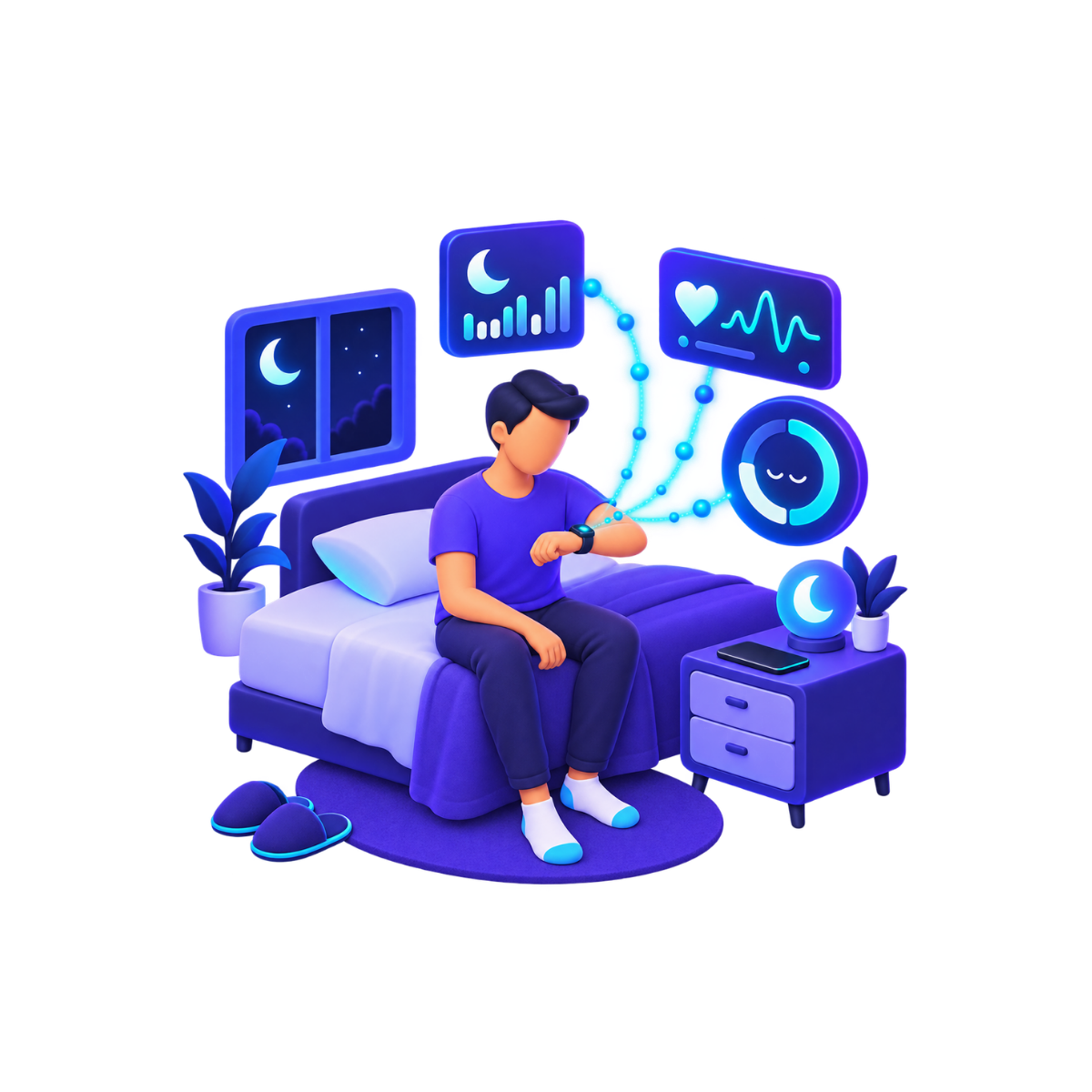
Wearable technology may help create more continuous and personalized mental health support experiences.
Future applications could combine:
Wearable health data
Validated self-assessments
User-reported outcomes
Clinical information
Behavioral patterns
Digital interventions
Professional oversight
The goal should not be to monitor every physiological change or automate every decision. It should be to provide useful information at the right moment while protecting user autonomy, privacy, and safety.
ROOK’s Podcast & Media resources offer additional discussions about wearable technology, health data infrastructure, and the future of digital health.
Conclusion
Wearables can provide useful information about sleep, physical activity, heart rate, and other physiological or behavioral patterns related to wellbeing.
However, these devices do not read emotions or diagnose mental health conditions. Their data must be interpreted carefully and combined with personal context, validated assessments, and professional care when appropriate.
ROOK helps mental health, wellness, and digital health companies integrate and standardize wearable data across multiple sources. This gives teams a scalable foundation for building personalized experiences, research tools, remote monitoring programs, and data-informed interventions.
The future of wearable technology in mental health will depend not only on collecting more data, but on using that information responsibly, securely, and with clear human oversight.
