
Integration of Wearable Data for Health Prevention: A Scientific Perspective with the ROOK API
Wearable technology has evolved from simple step counters to sophisticated systems capable of measuring heart rate, sleep quality, oxygen saturation, heart rate variability (HRV), and more, making it a valuable tool for preventive health and the management of chronic conditions.
Wearables represent a continuous source of physiological data that, when properly integrated, allows for the identification of subtle but relevant changes in users' health before pronounced clinical symptoms manifest.
Scientific Evidence of Wearable Benefits
Continuous Monitoring and Early Prevention
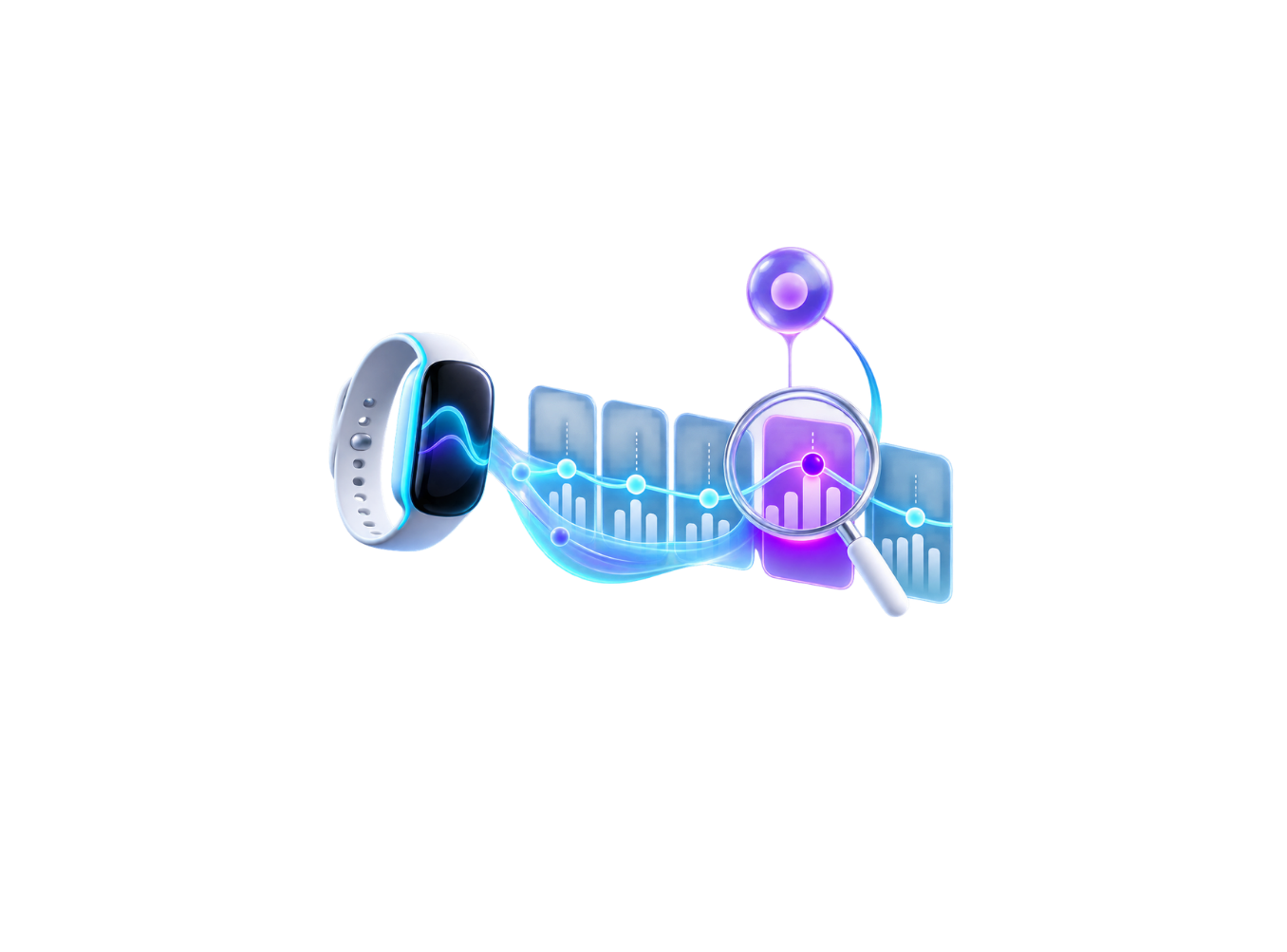
Numerous studies have shown that wearables can capture key data that helps identify emerging health problems. For example, continuous heart rate monitoring and its variations allow early detection of arrhythmias, such as atrial fibrillation, which could facilitate preventive interventions.
Furthermore, the collection of metrics related to physical activity and sleep has shown potential for detecting patterns associated with metabolic diseases, chronic stress, and circadian rhythm disorders.
Chronic Disease Management
A systematic literature review found that the use of wearable devices for monitoring chronic conditions can support the early detection of relevant clinical events and improve therapeutic adherence through personalized feedback.
Additional meta-analysis suggests that wearables not only collect data but, through advanced analytics, enable predictive models that can inform interventions before an adverse event occurs.
The ROOK API as a Wearable Data Integration Platform
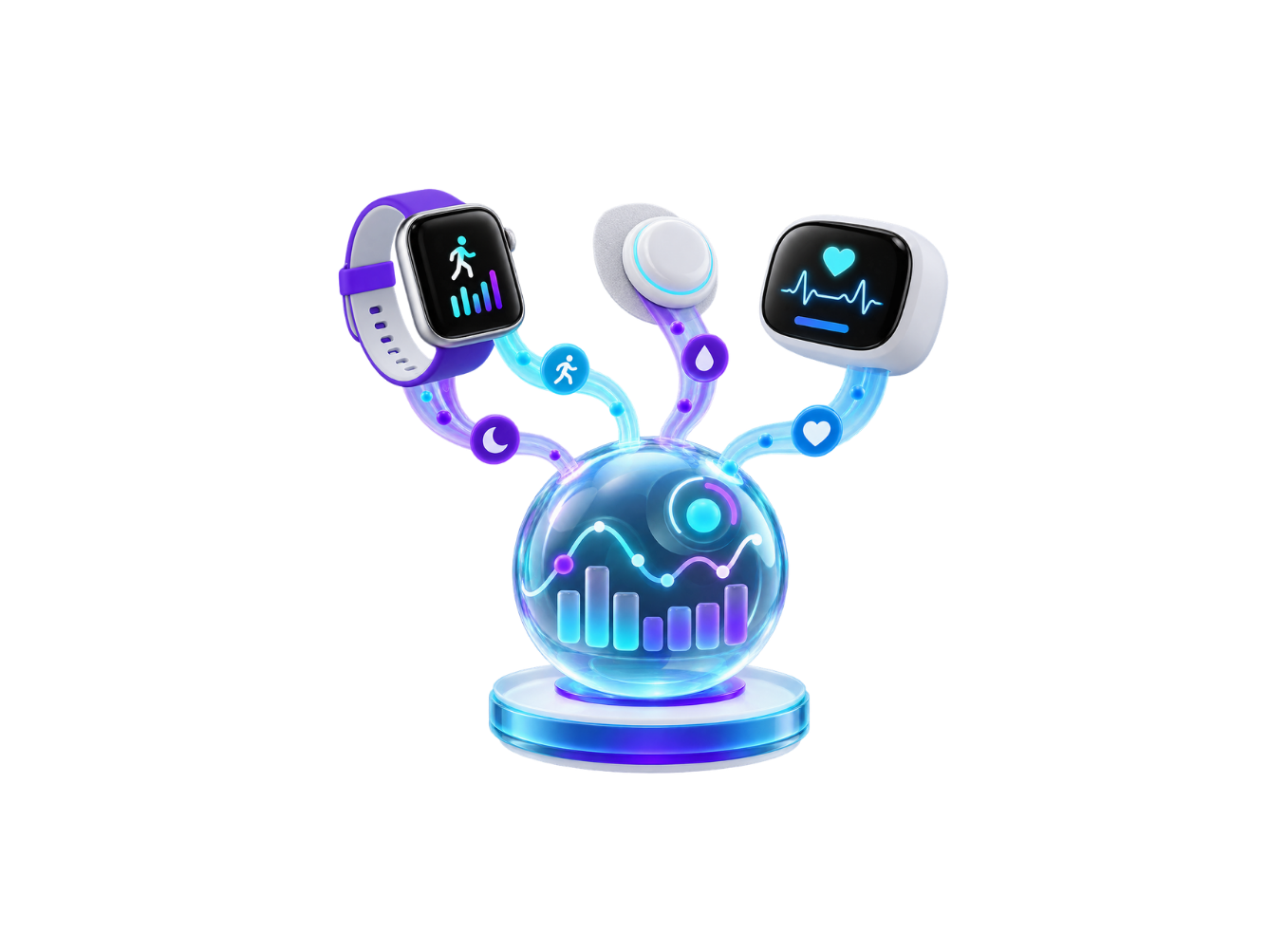
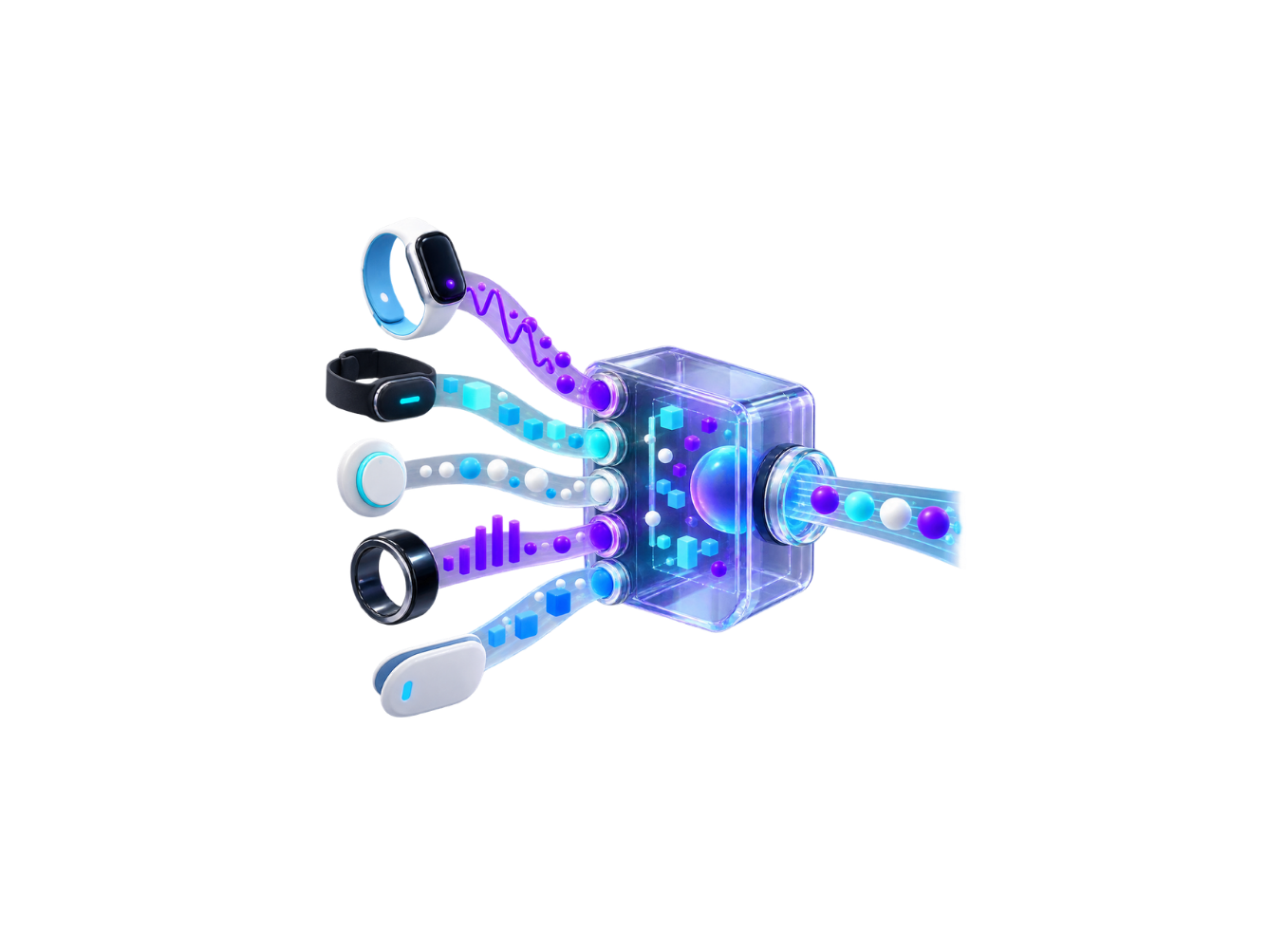
The ROOK API was designed to centralize and standardize data from multiple wearable devices, such as Fitbit, Apple Watch, Garmin, Oura, and CGMs, facilitating its use in health applications, analysis platforms, and clinical systems. Below are its main contributions:
Ingestion and Normalization of Heterogeneous Data
Wearables generate data in various formats and frequencies. ROOK unifies this data into a common, validated schema, allowing for longitudinal comparisons and analysis based on key metrics such as:
Heart rate and HRV
Daily steps and activity levels
Sleep quality and duration
Oxygen saturation
Continuous glucose data, when available
You can review the current wearable data sources supported by ROOK.
Standardization enables the use of predictive algorithms and machine learning for early risk detection.
The ROOK Extraction App also provides a way for users to connect supported data sources without requiring every application to build its own authorization interface.
Clinical and Public Health Applications
Early Detection of Risks and Clinical Events
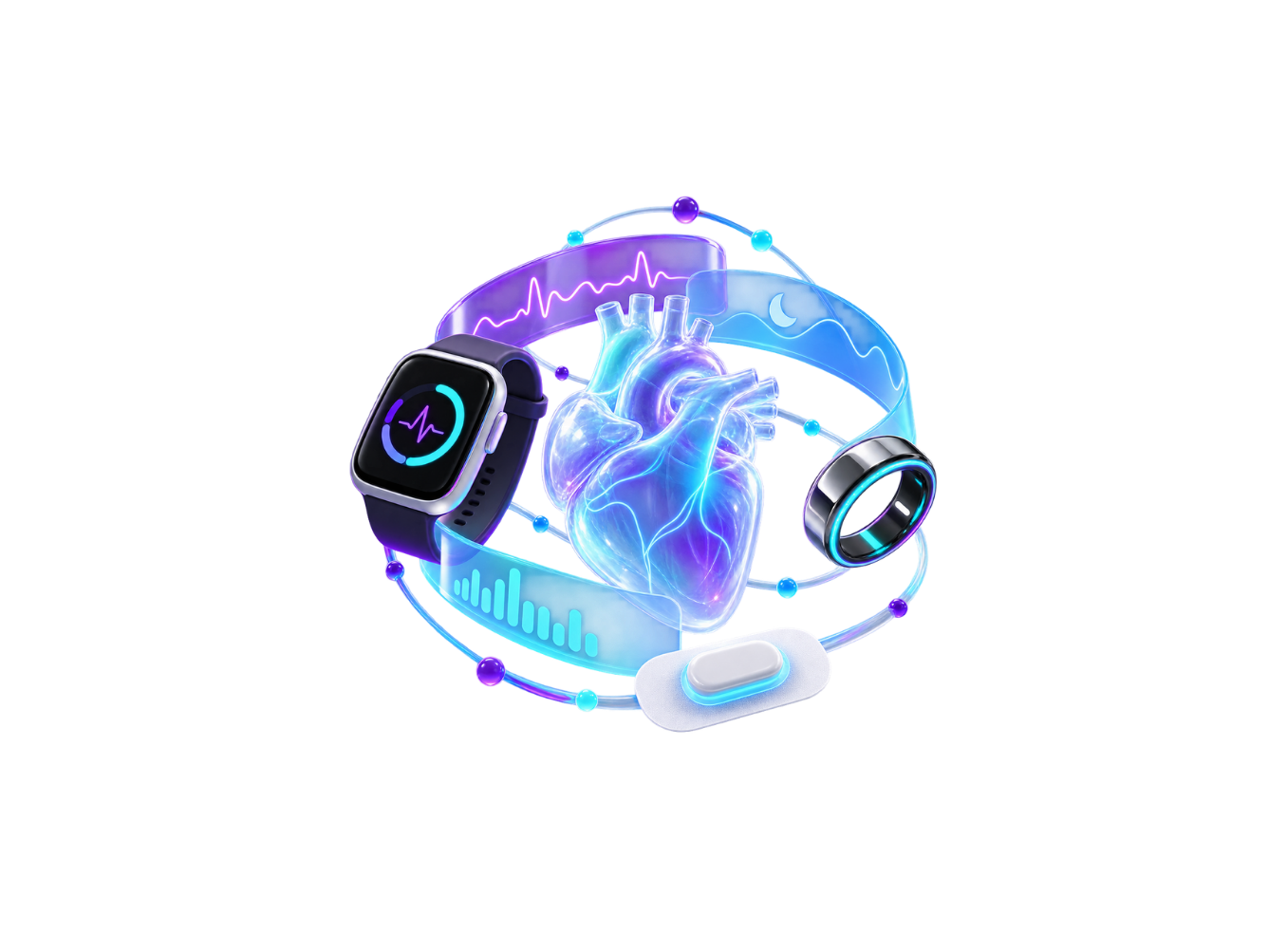
The analysis of continuous data can reveal health patterns that precede adverse outcomes. For example, sustained variations in biometric metrics have been associated with early signs of cardiovascular diseases or metabolic issues.
Moreover, preliminary studies have explored the use of wearables to identify postoperative events via machine learning algorithms, showing high sensitivity for detecting recovery complications.
Additional discussions about wearables, real-time health data, and clinical applications provide broader context on how connected health information can support monitoring and prevention.
Promotion of Healthy Lifestyles
Wearables also act as motivational tools: displaying tangible metrics, such as step count, sleep, and energy activity, has been shown to correlate with positive changes in user behavior, which is key for the prevention of chronic diseases.
Tools such as ROOK Score can help applications present multiple dimensions of wearable health data through a more consistent indicator.
Challenges and Ethical Considerations
Data Accuracy and Clinical Validation
Although wearables provide a wealth of data, the accuracy of some parameters remains a challenge, and their integration into clinical decisions requires rigorous validation.
Explore more information about wearable data quality and health technology.
Privacy and Data Security
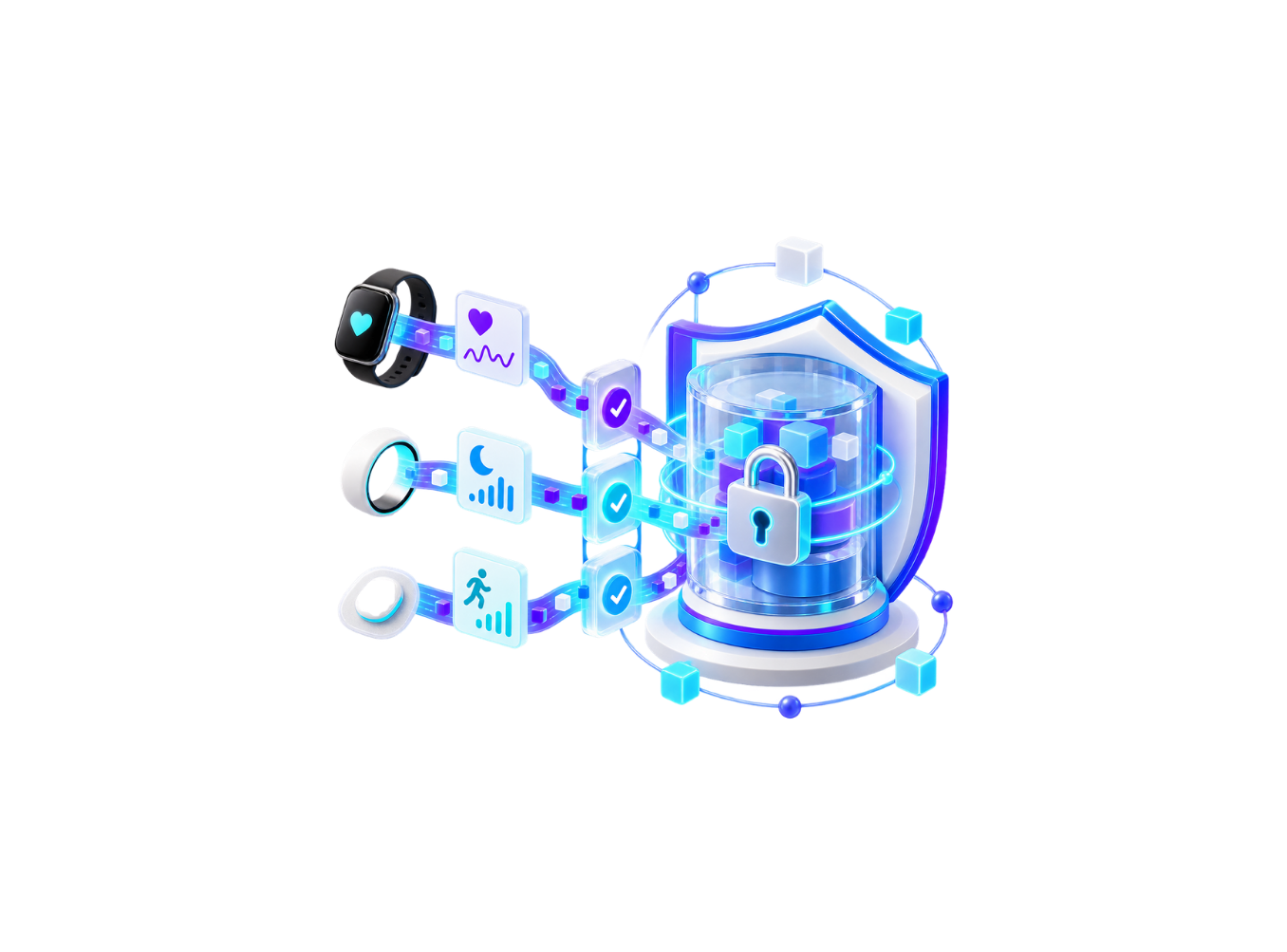
Continuous collection of sensitive personal data demands high standards of privacy and security, as well as compliance with international data protection regulations.
Additional resources on health data infrastructure and wearable integrations can help teams understand the technical considerations behind connected health products.
Conclusions
The integration of wearable data through platforms like the ROOK API opens a promising path for health prevention based on real, continuous data. This approach can complement traditional reactive healthcare models by enabling early, personalized interventions.
To reach its full potential, collaborative efforts between technology developers, clinicians, and regulators are necessary to ensure clinical validity, data security, and equitable access.
Explore more wearable health data research, trends, and integration resources on the ROOK blog and its collection of digital health and preventive care articles.
